12 Silent Reasons People Die in Their Sleep
Sleep feels like the safest place in the world until a sudden death turns the bed into a mystery. One moment, someone says goodnight, closes their eyes, and looks peaceful. By morning, the people who love them are left asking the same heartbreaking question: how could this happen so quietly?
The truth is that people rarely die from sleep itself. They usually die because a hidden medical crisis becomes worse at night, when the body is relaxed, breathing slows, and nobody is awake to notice the danger. These silent risks can involve the heart, brain, lungs, blood sugar, seizures, medications, or even the air inside the home.
A Heart Attack Can Become Fatal Overnight

A heart attack happens when blood flow to part of the heart is blocked. During the day, a person might notice chest pressure, arm pain, sweating, nausea, or unusual tiredness and seek help. At night, those symptoms may be ignored as indigestion, stress, or simple exhaustion.
The danger grows when a heart attack triggers an abnormal rhythm or sudden cardiac arrest. Some people go to bed thinking they just need rest, but the heart muscle continues to suffer. This is why chest pain before sleep should never be treated as a minor inconvenience, especially when it is accompanied by sweating, breathlessness, jaw pain, or pain spreading to the left arm.
Dangerous Heart Rhythms Can Turn Sleep Into a Crisis
An abnormal heartbeat can be harmless in some cases, but certain heart rhythms are dangerous. The heart may beat too fast, too slow, or too chaotically to move blood through the body. If that happens during sleep, the person may not wake up in time to call for help.
Some rhythm disorders are linked to heart disease, previous heart attacks, heart failure, electrolyte problems, or inherited conditions. Family history matters because sudden, unexplained death in young relatives can point to hidden heart rhythm problems. If someone has repeated fainting, unexplained seizures, strong palpitations, or sudden collapse episodes, the heart deserves a closer look.
Sleep Apnea Can Quietly Strain the Body Every Night
Sleep apnea is one of the most overlooked nighttime dangers. It happens when breathing repeatedly stops or becomes blocked during sleep. The person may snore loudly, gasp, choke, or stop breathing for short moments, often without remembering it in the morning.
This condition puts pressure on the heart and blood vessels because oxygen levels keep dropping through the night. Over time, untreated sleep apnea can be linked with high blood pressure, stroke risk, heart disease, and abnormal heart rhythms. Loud snoring may sound like a family joke, but snoring combined with gasping and daytime tiredness can be a warning sign that the body is struggling to breathe during sleep.
A Stroke Can Happen Before Anyone Notices
A stroke can happen when blood flow to the brain is blocked or when bleeding occurs inside the brain. If it happens during sleep, the person may not wake up, or the symptoms may not be discovered until morning. A severe stroke can affect breathing, consciousness, movement, and speech.
The warning signs can appear suddenly before bedtime or after waking. Face drooping, arm weakness, trouble speaking, confusion, vision changes, dizziness, loss of balance, and sudden severe headache all need emergency attention. Waiting until morning can be dangerous because stroke treatment depends heavily on time.
Seizures Can Become Deadly During Sleep

People with epilepsy can face a rare but serious risk called sudden unexpected death in epilepsy. It often happens during or after a seizure, and many cases happen during sleep. The person may have breathing problems, airway blockage, or changes in heart rhythm after the seizure.
This risk is higher when seizures are not well controlled. Missed medication, poor sleep, alcohol use, stress, or untreated seizure triggers can make nighttime seizures more dangerous. Good seizure control, regular medical follow-up, and a safe sleeping environment can reduce risk for people living with epilepsy.
Sudden Cardiac Arrest Can Stop the Heart Without Warning
Sudden cardiac arrest is one of the most serious reasons a person may die in their sleep. It happens when the heart’s electrical system suddenly fails, causing the heart to stop pumping blood properly. Once blood flow stops, the brain quickly loses oxygen, and the person may become unconscious within seconds.
This can be especially deadly at night because no one may see the collapse or hear the first signs of trouble. Some people have warning signs earlier, such as chest pressure, dizziness, fainting, shortness of breath, or a racing heartbeat. Others seem normal before bed, which makes the death feel shocking, even though the heart may have been under stress for months or years.
Low Blood Sugar Can Become Dangerous for People With Diabetes
Nighttime low blood sugar can be frightening because the person may not wake up to treat it. This can happen in people who use insulin or certain diabetes medicines. During sleep, blood sugar may drop too low and lead to sweating, nightmares, shaking, confusion, seizures, or loss of consciousness.
Some people wake up with a headache, soaked sheets, or unusual tiredness and do not realize that low blood sugar caused the problem. Alcohol, skipped meals, late exercise, too much insulin, or medication changes can raise the risk. Anyone with repeated nighttime symptoms should discuss them with a health professional because silent lows can become serious.
Breathing Failure Can Worsen When the Body Slows Down
Breathing naturally slows and becomes more relaxed during sleep. For healthy people, that is normal. For people with severe lung disease, heart failure, obesity hypoventilation, advanced asthma, pneumonia, or neuromuscular illness, slower breathing can become dangerous.
Low oxygen and high carbon dioxide can build up quietly through the night. Warning signs may include morning headaches, confusion, bluish lips, waking up gasping, severe daytime sleepiness, or shortness of breath when lying flat. People with serious breathing conditions should not ignore changes in nighttime symptoms because sleep can expose weaknesses the body hides during the day.
Blood Clots Can Travel to the Lungs at Night

A pulmonary embolism happens when a blood clot travels to the lungs and blocks blood flow. It can cause sudden shortness of breath, chest pain, fast heartbeat, coughing up blood, fainting, or sudden death. If this happens during sleep, the person may not be able to call for help.
The clot often begins in the leg, especially after long periods of sitting, surgery, injury, pregnancy, smoking, or certain hormone treatments. A swollen, painful, warm, or tender leg should not be ignored. Sudden breathing trouble with chest pain is an emergency, not something to sleep through.
Medication and Alcohol Mixes Can Slow Breathing Too Much
Some deaths during sleep happen because the body is too sedated to breathe normally or wake up when oxygen drops. Opioids, sleeping pills, anti-anxiety drugs, sedatives, and alcohol can all slow the nervous system. The risk increases significantly when these substances are mixed.
Alcohol can also worsen snoring and sleep apnea by relaxing the muscles in the throat. A person may fall asleep quickly but breathe poorly through the night. Taking extra doses, mixing prescriptions, or drinking heavily before bed can turn ordinary sleep into a dangerous medical situation.
Choking and Aspiration Can Block the Airway During Sleep
Aspiration happens when vomit, saliva, food, or stomach contents enter the airway or lungs. The body usually coughs to protect itself, but that response can be weaker when someone is heavily sedated, drunk, very ill, or neurologically impaired. A blocked airway can become fatal if the person cannot wake or move enough to clear it.
This risk can rise after heavy drinking, vomiting, seizures, swallowing problems, stroke complications, severe reflux, or certain medications. Going to bed deeply intoxicated is especially dangerous because the body may not respond normally if vomiting occurs. Sleep should never be treated as a safe escape after a dangerous level of alcohol or sedative use.
Carbon Monoxide Can Poison a Sleeping Household
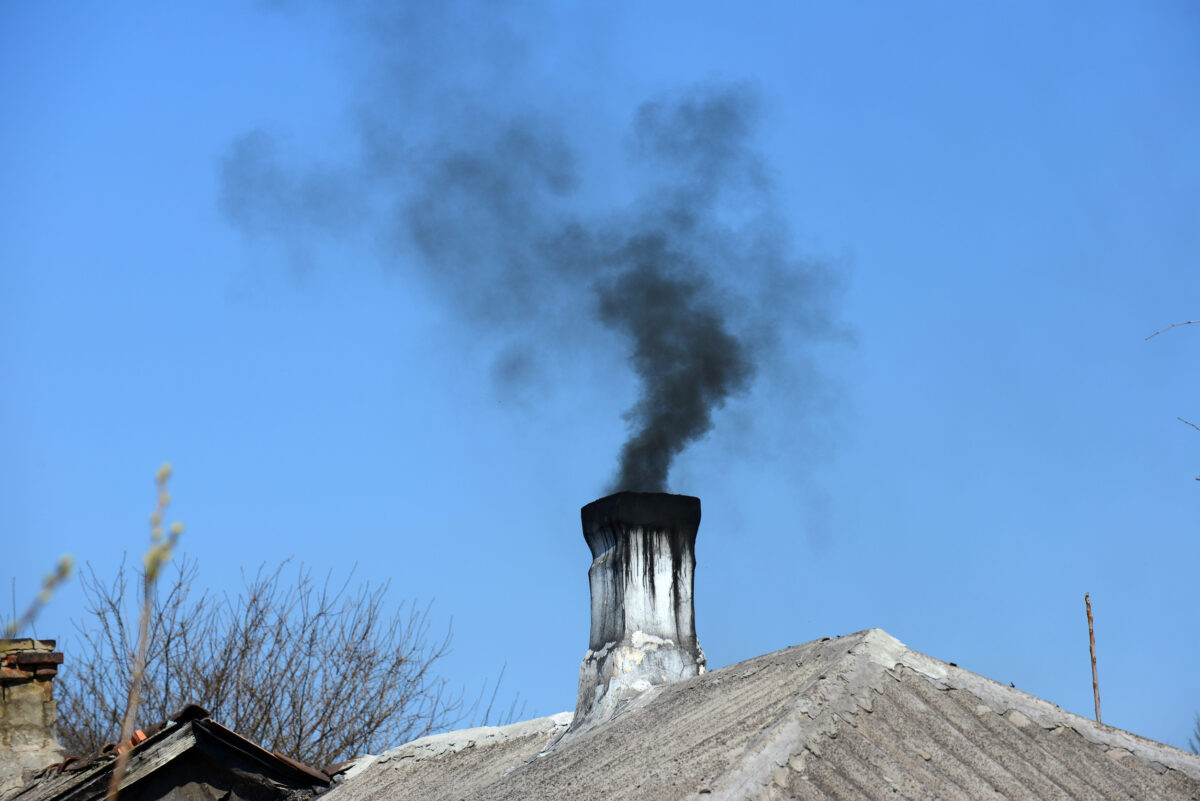
Carbon monoxide is one of the most frightening sleep dangers because people cannot smell it, see it, or taste it. It can leak from faulty heaters, blocked chimneys, gas appliances, generators, cars, grills, or fuel-burning equipment used in unsafe places. A person may fall asleep and never realize the air has become poisonous.
Symptoms can include headache, dizziness, nausea, weakness, confusion, and shortness of breath, but sleeping people may not wake up in time. A carbon monoxide detector near sleeping areas can save lives. If several people in a home feel sick at the same time, or if symptoms improve after leaving the house, carbon monoxide should be considered a serious possibility.
Warning Signs That Should Not Wait Until Morning
Some symptoms need emergency help right away. Chest pain, severe shortness of breath, fainting, blue lips, sudden weakness on one side, confusion, trouble speaking, coughing blood, repeated seizures, or a carbon monoxide alarm should never be ignored. Going to sleep with these symptoms can hide a crisis until it is too late.
Other signs deserve a medical appointment soon. Loud snoring with gasping, morning headaches, repeated palpitations, unexplained fainting, nighttime sweating with diabetes, and seizures during sleep are all signals worth checking. The goal is not to fear bedtime, but to treat warning signs before they become silent emergencies.
Conclusion
Death during sleep feels mysterious because it happens in silence, but the causes are often medical, physical, or environmental. The heart may stop, breathing may fail, the brain may suffer a stroke or seizure, blood sugar may fall, a clot may block the lungs, or a hidden poison may fill the room. These events are scary because sleep delays rescue.
Still, awareness gives us power. We can treat loud snoring seriously, manage heart and blood pressure problems, control diabetes, follow seizure treatment plans, avoid dangerous drug and alcohol mixes, and install carbon monoxide detectors. Bedtime should be peaceful, but peace should never mean ignoring the body’s warnings.