10 Worst Prison Meals You Would Never Want to Eat
Prison food has never had a reputation for comfort, flavor, or dignity. The worst meals are not scary because they look strange on a tray. They are scary because they remind people how quickly food can become another form of punishment when quality, freshness, and care disappear.
Behind bars, a meal can mean more than lunch or dinner. It can decide someone’s energy, mood, health, and sense of humanity for the day. These ten prison meals show why bad food in correctional facilities is more than a punchline.
Nutraloaf That Tastes Like Punishment
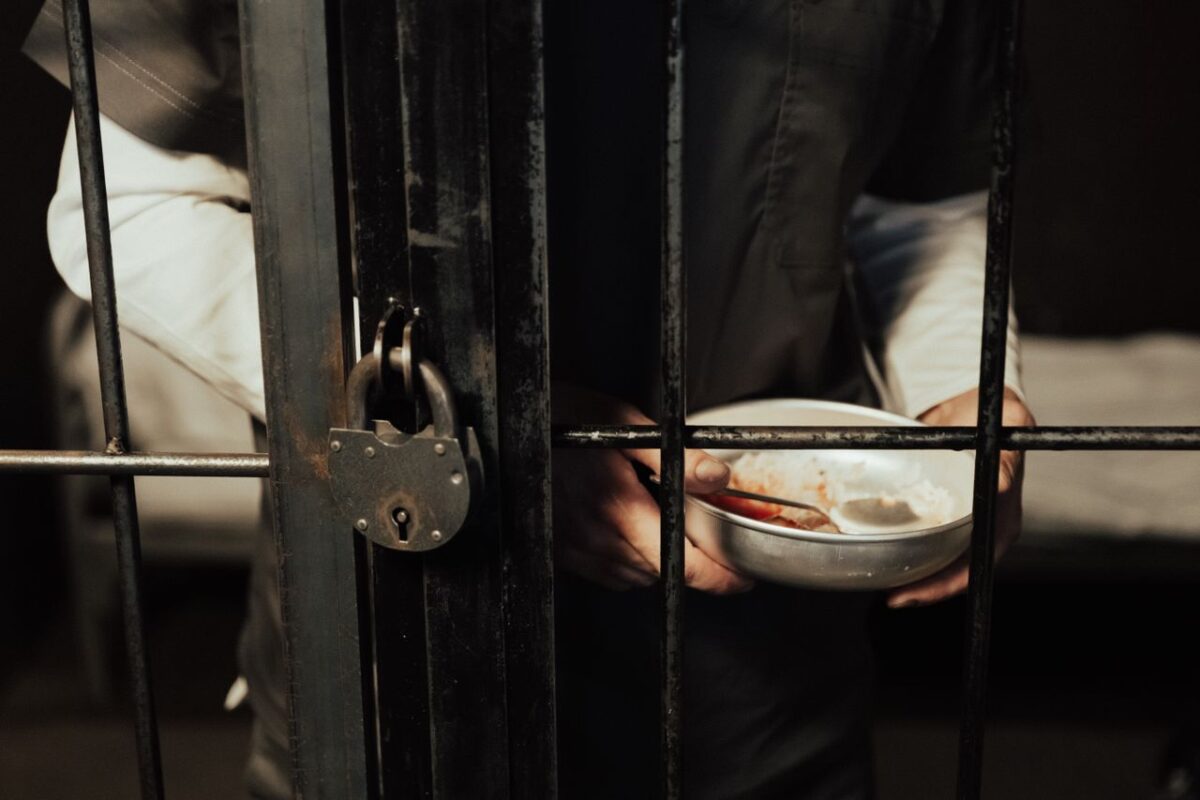
Nutraloaf may be the most infamous prison meal in America. It is usually made by grinding or mashing together vegetables, beans, grains, and other ingredients into a dense baked block. On paper, it may contain nutrients. On the tray, it often looks like a gray brick that lost a fight with a cafeteria blender.
The worst part is the message behind it. Nutraloaf has often been linked to disciplinary meals, where food becomes part of punishment rather than care. Even when it fills the stomach, it can feel humiliating because it strips eating of pleasure, choice, and basic dignity.
Mystery Meat With No Clear Identity
Few meals create more dread than a slab of meat nobody can confidently name. It may arrive covered in watery gravy, sliced into rubbery strips, or shaped into a patty that tastes like salt, filler, and old freezer air. The problem is not just the flavor. It is the uncertainty.
When someone cannot tell whether they are eating beef, turkey, soy, or something heavily processed, trust disappears. Food should not feel like a guessing game. In prison, mystery meat becomes a symbol of everything hidden, cheap, and careless about institutional meals.
Watery Beans That Never End
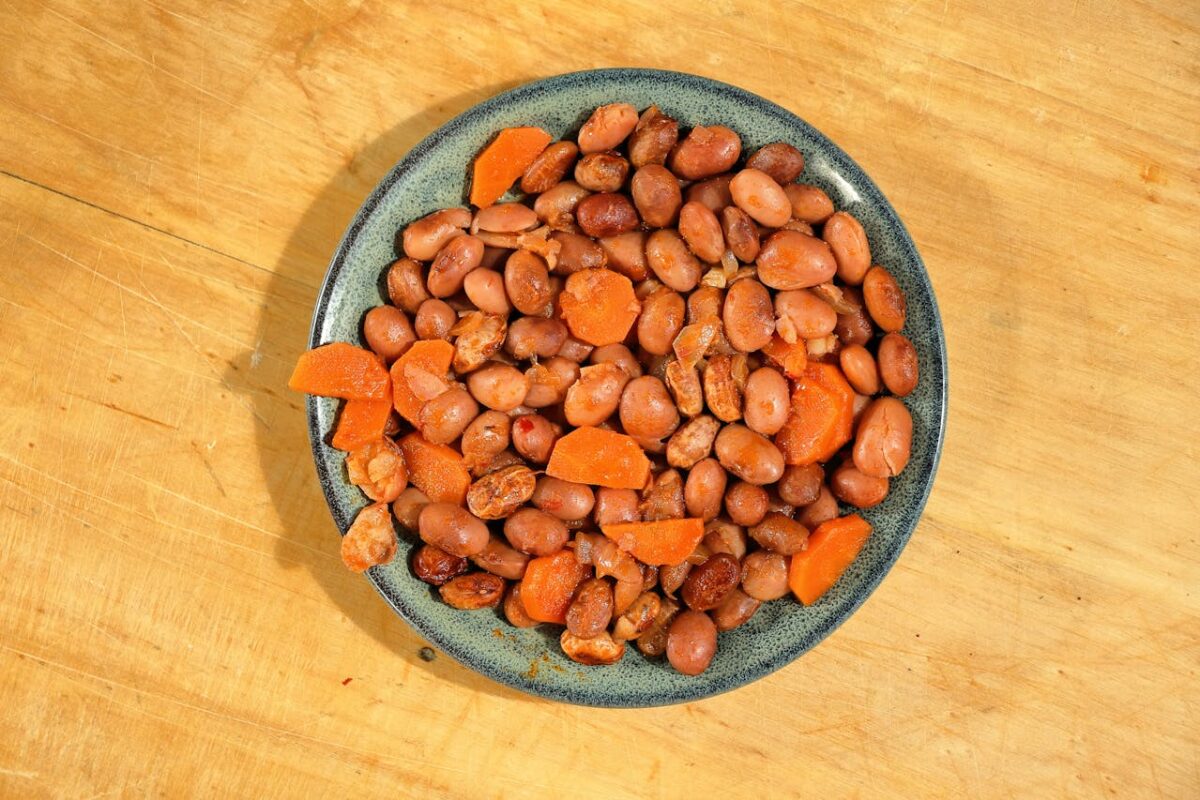
Beans can be healthy, filling, and delicious when cooked with patience. In bad prison kitchens, they can also become a thin, flavorless scoop of survival. The beans may be underseasoned, overcooked, or stretched with so much water that the meal feels more like brown soup than dinner.
This kind of meal can be especially frustrating because it looks like food but barely satisfies. A tray of watery beans may technically count as protein, yet it often leaves people hungry again soon after. It is the kind of meal that drains morale one spoonful at a time.
Cold Bologna Sandwiches With Nothing Fresh
The cold bologna sandwich is the unofficial mascot of low-effort prison food. Two slices of bread, a processed meat slice, maybe a packet of mustard, and nothing that feels fresh or alive. No crunch, no warmth, no real texture, no comfort.
This meal feels worse when it appears repeatedly. One cold sandwich can be tolerated. A steady routine of them starts to feel like abandonment. It is cheap, fast, and easy to pass out, which is exactly why people dread it. It fills a tray without feeling like a meal.
Powdered Eggs That Taste Like Wet Cardboard
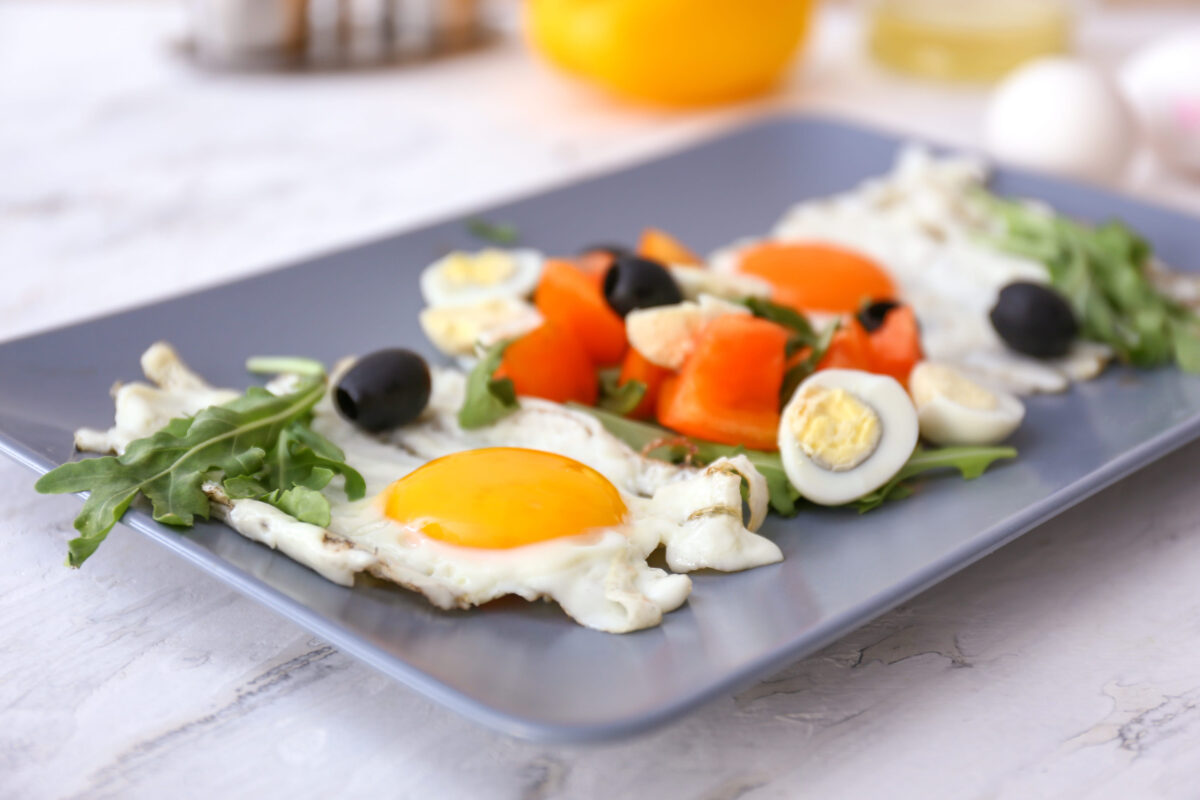
Breakfast should give the body a small lift. Bad powdered eggs do the opposite. They can arrive pale, spongy, and wet around the edges, with a smell that makes the morning feel older than it is. Even hot sauce cannot always save them.
The texture is what makes them unforgettable for the wrong reasons. They do not taste fully like eggs, but they do not taste like anything else either. They sit on the tray like a yellow warning sign that breakfast will be another exercise in lowering expectations.
Gray Oatmeal With No Real Comfort
Oatmeal should be simple, warm, and steady. In prison, bad oatmeal can become a gray paste that sticks to the spoon and offers almost no flavor. It may be watery in one scoop and gluey in the next, served with little sweetness, fruit, milk, or texture.
This meal is depressing because it almost promises comfort before taking it away. It looks like something that should calm the body, yet it can feel empty and joyless. A bowl of gray oatmeal turns breakfast into a reminder that even simple food can be ruined by neglect.
Overboiled Vegetables That Lost Everything
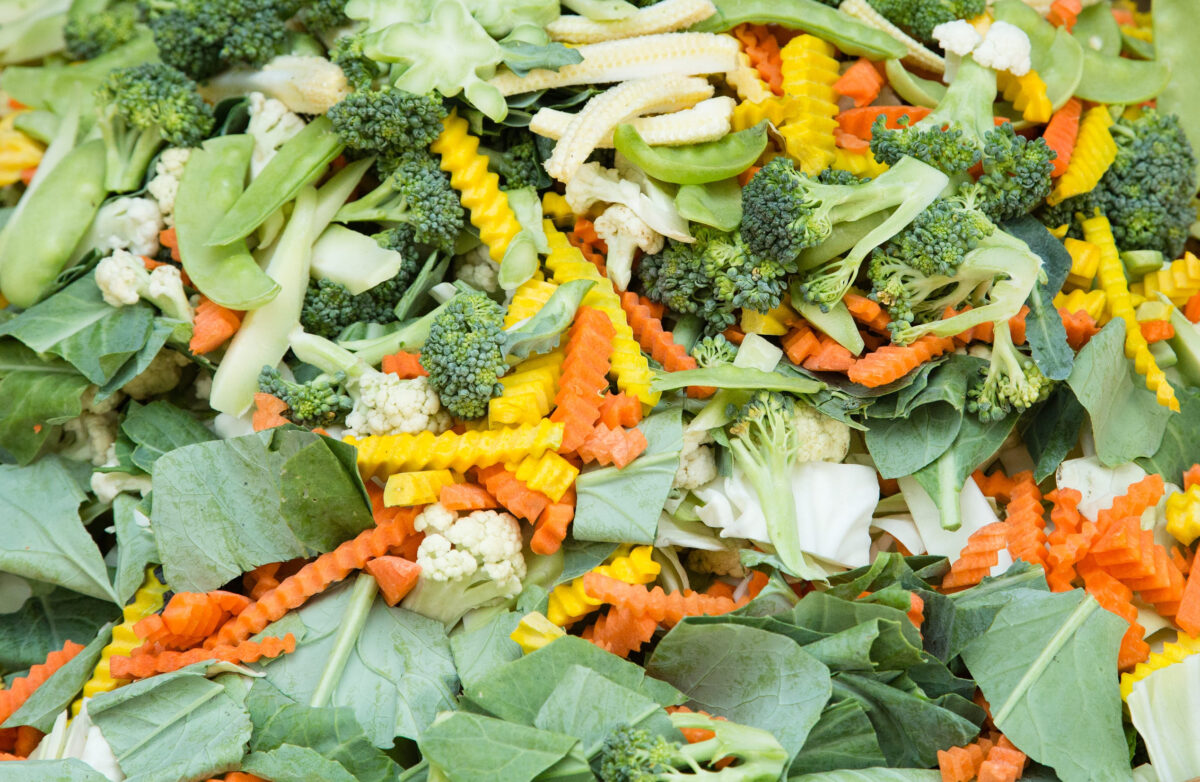
Vegetables should bring color to a plate. In the worst prison meals, they arrive limp, faded, and cooked until every sign of freshness has vanished. Carrots become mush. Greens become bitter. Mixed vegetables taste like hot water and tin.
This matters because fresh produce is often the difference between a meal that supports the body and one that merely passes inspection. Overboiled vegetables may check a box, but they do not feel nourishing. They make healthy food seem like a punishment, which is one of the saddest tricks a bad kitchen can play.
Plain Rice With Grease Instead of Flavor
Rice can carry a meal beautifully when paired with spices, vegetables, broth, or sauce. Plain prison rice often does none of that. It may arrive clumped, dry, undercooked, or slick with grease that adds heaviness without taste.
This meal is especially hard because rice is supposed to be filling. When it is badly made, it becomes a pile of bland calories that leaves the mouth bored and the body unsatisfied. It is cheap energy, not comfort. For many people behind bars, that difference matters every single day.
Thin Soup That Feels Like Hot Water
Soup can be one of the most comforting meals in the world. Bad prison soup can feel like someone waved a vegetable over hot water and called it dinner. A few floating pieces, a salty broth, and no real body can make the meal feel insulting.
Thin soup is one of those meals that looks better from across the room than it feels in the stomach. It creates the hope of warmth, then delivers disappointment. When served with stale bread or a small side, it can leave people counting the hours until the next tray.
Stale Bread That Ruins the Whole Tray
Bread seems too basic to fail, yet stale bread can ruin almost anything it touches. It can be dry, hard at the edges, oddly sweet, or tough enough to make every bite feel like work. Since bread often appears beside other weak meals, its condition matters.
A bad slice of bread tells people a lot about the kitchen. It says freshness was not the priority. It says the tray was assembled, not prepared. In prison, where meals may already be repetitive and limited, stale bread can turn disappointment into routine.