9 Restaurant Food Trends That Look Impressive but Aren’t Always Worth the Price
Restaurant menus increasingly feature dramatic presentations, unusual ingredients, and elaborate descriptions. A dish may arrive with towering toppings, decorative sauces, or a price that suggests something extraordinary.
Creative food can be enjoyable, but appearance doesn’t guarantee quality. Sometimes, the simpler version offers better flavor, value, or convenience. These nine restaurant trends are worth evaluating carefully before paying a premium.

1. Burgers With Excessive Toppings
A burger piled high with several meats, cheeses, sauces, and vegetables can look impressive in photographs. But eating it may be awkward when the ingredients don’t stay together.
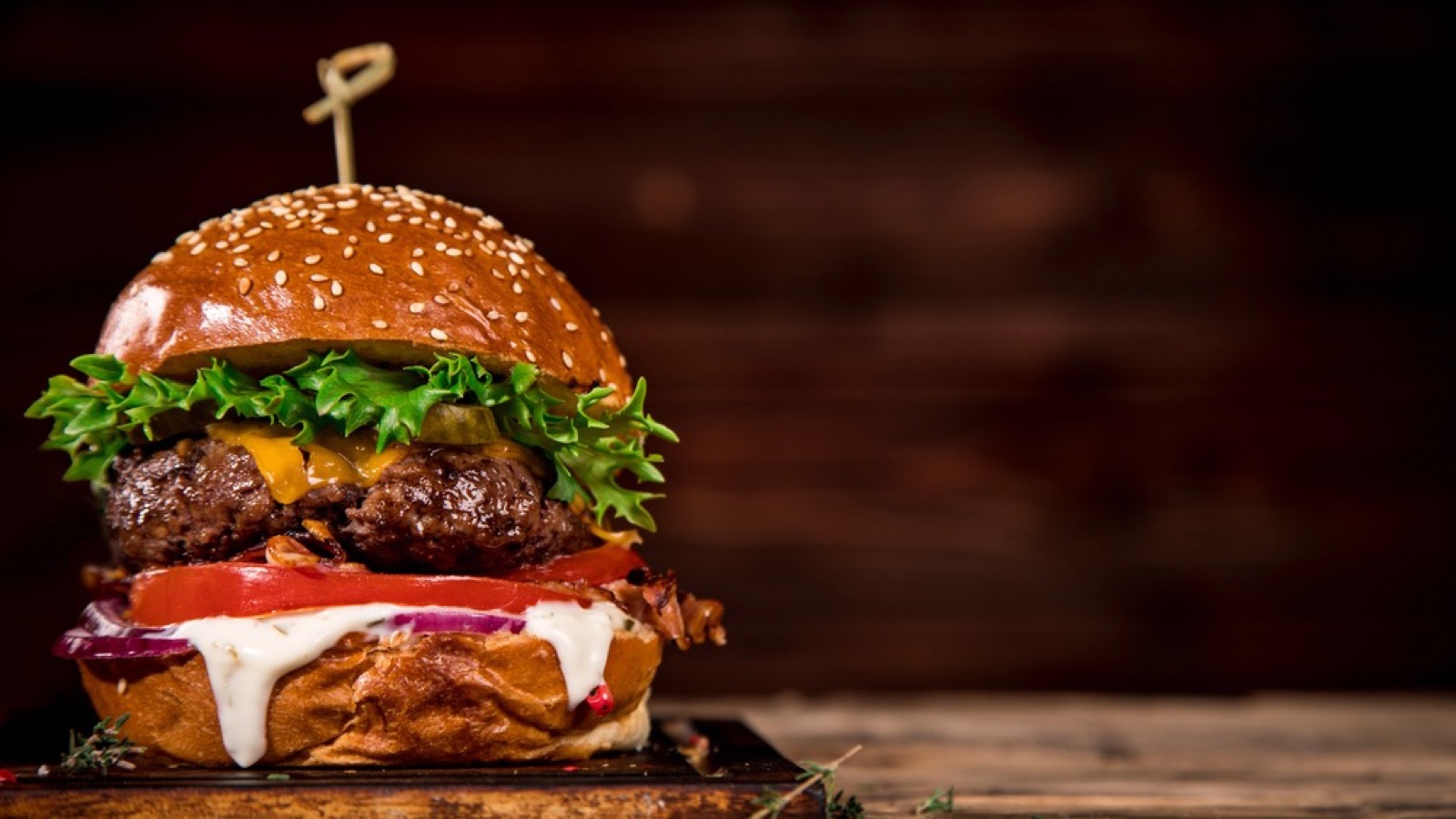
Too many toppings can also overwhelm the flavor of the beef or other main ingredient. The result may be more about presentation than balance.
A simpler burger can allow individual flavors to stand out. The best choice depends on personal preferences and what the restaurant prepares well. Price alone doesn’t establish whether the elaborate option offers better value.
2. Gold-Decorated Desserts
Some restaurants use edible gold leaf to decorate cakes, ice cream, and other desserts. The visual effect can attract attention and create a sense of luxury.
But edible gold contributes little to flavor. Customers are primarily paying for appearance and the experience.
That may be worthwhile during a special occasion, but it isn’t the same as paying for exceptional ingredients or technique. Understanding the purpose helps customers decide. A dessert can be memorable without expensive decoration.
3. Oversized Milkshakes
Elaborate milkshakes may arrive topped with cookies, candy, whipped cream, and other desserts. Their size makes them particularly attractive for photographs.
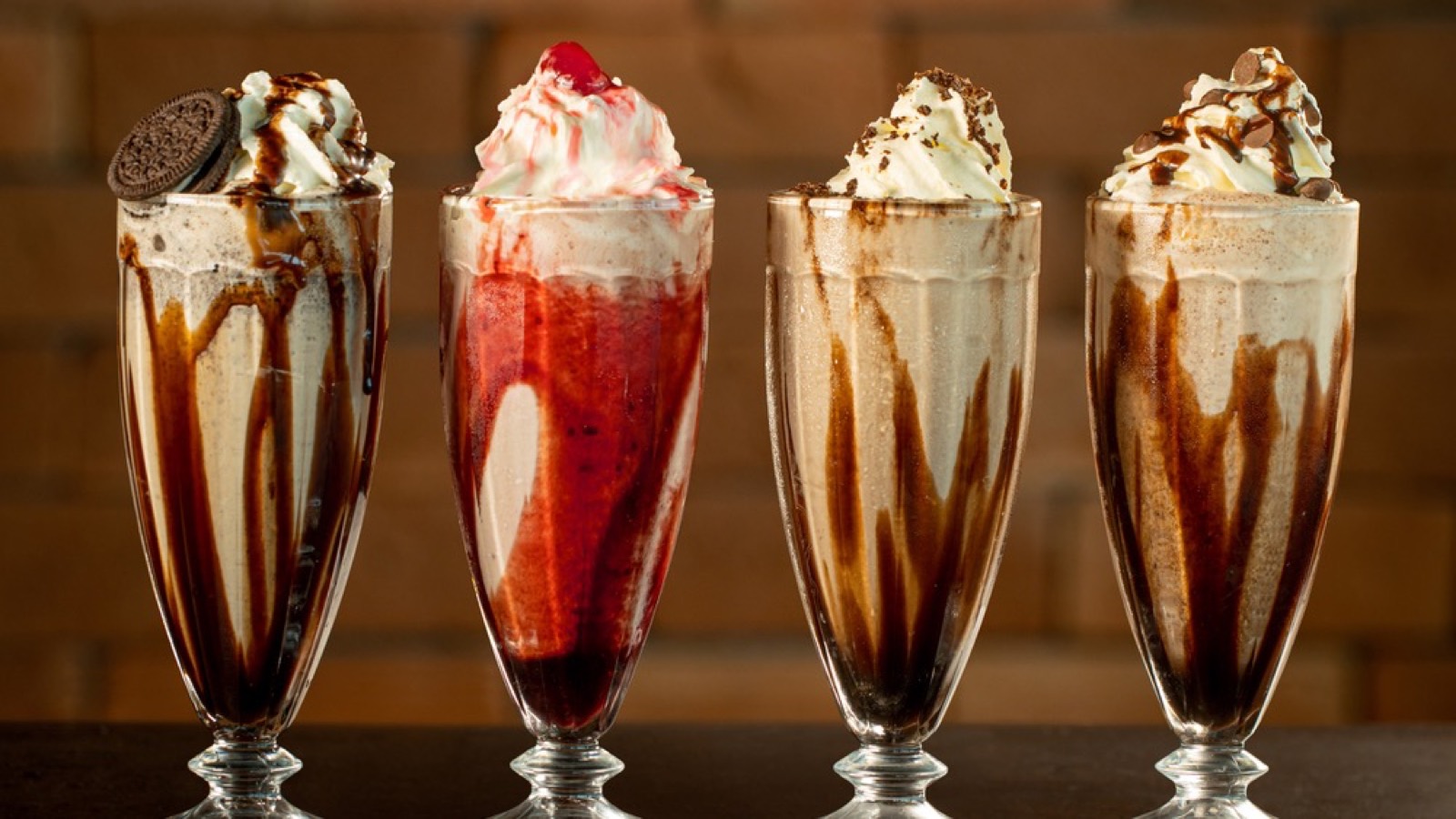
But the combination can be difficult to finish and significantly more expensive than an ordinary milkshake. Some customers may also find the sweetness overwhelming.
Sharing can make an oversized dessert more manageable, although portion sizes and preferences vary. A smaller milkshake may provide a more enjoyable experience. The best value depends on how much of the product someone actually wants to consume.
4. Decorative Charcuterie Boards
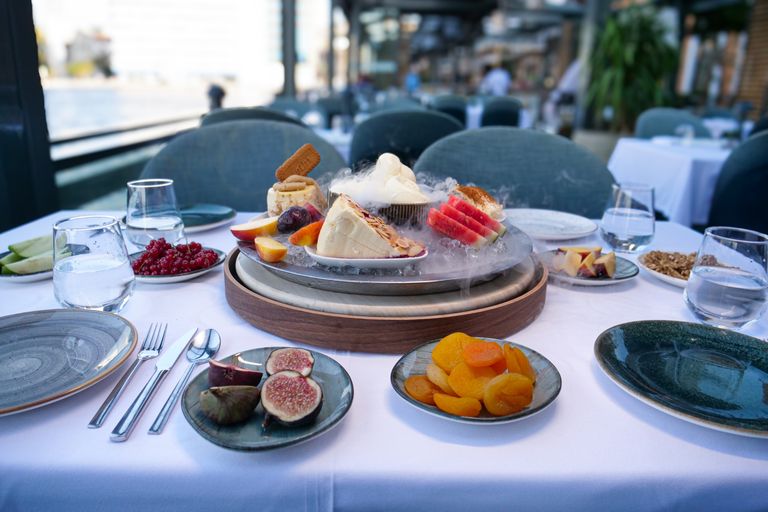
Charcuterie boards can be enjoyable because they allow diners to sample several meats, cheeses, fruits, and other ingredients. Their presentation also makes them appealing for groups.
Prices vary depending on the ingredients and portion sizes. Some boards offer generous selections, while others prioritize appearance.
Customers should consider how many people the board is intended to serve. Comparing the ingredients with other menu options can help establish value. A thoughtfully prepared board doesn’t need excessive decorations to be enjoyable.
5. Truffle-Flavored Everything
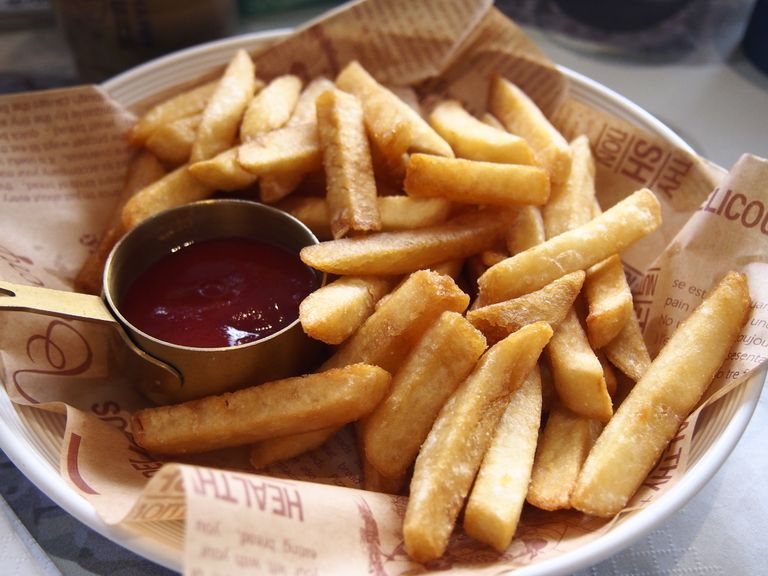
Truffle flavor appears in fries, pasta, sauces, and numerous restaurant dishes. Some preparations use real truffles, while others rely on truffle-flavored oils or seasonings.
The ingredients and flavor intensity can differ considerably. Customers may be disappointed when the dish doesn’t contain the expensive ingredient they imagined.
Checking the menu description helps clarify what is included. A strong truffle aroma doesn’t automatically mean a dish contains substantial amounts of fresh truffle. The flavor can be enjoyable, but it shouldn’t be confused with guaranteed quality.
6. Extremely Spicy Food Challenges
Some restaurants promote dishes with extraordinary heat levels as entertainment. Customers may attempt challenges involving very hot peppers or concentrated sauces.
The experience can attract attention, but extreme heat isn’t necessary for flavorful food. Chili peppers offer different flavors as well as different levels of heat.
Very spicy products can cause significant discomfort and may be inappropriate for certain individuals. The challenge itself shouldn’t be treated as evidence of culinary quality. A well-balanced spicy dish can be enjoyable without testing someone’s tolerance.
7. Overly Complicated Breakfast Plates
Modern brunch menus sometimes turn familiar breakfast foods into elaborate combinations. Pancakes, eggs, and toast may be served with numerous toppings and specialty sauces.
These additions can increase the price without necessarily improving the meal. Some customers prefer straightforward dishes prepared carefully. Traditional diner breakfasts remain popular partly because familiar foods can be satisfying without extensive decoration. Restaurant creativity has value, but the result should still taste good and suit the customer’s preferences.
8. Expensive Bottled Water
Premium bottled water may be marketed around its source, mineral content, or packaging. Restaurants sometimes offer several options at different prices.
Some customers enjoy particular mineral profiles or carbonation. Others simply want safe drinking water.
The highest-priced option doesn’t necessarily provide a meaningful advantage for everyday hydration. Customers can choose based on taste and circumstances. Checking beverage prices before ordering helps prevent unexpected charges.
9. Social-Media-Focused Desserts
Some restaurant desserts are designed to create dramatic photographs or videos. They may feature smoke effects, unusual serving containers, or elaborate tableside presentations.
These experiences can be entertaining, particularly for celebrations. But customers should distinguish the performance from the quality of the food.
A dessert that looks extraordinary may taste ordinary. Conversely, a simple pastry may offer excellent flavor without attracting online attention. The best choice depends on whether the customer values the experience, the food, or both.
What Makes Restaurant Food Worth the Money?
Value depends on more than portion size or appearance. Ingredient quality, preparation, flavor, service, and the overall experience all contribute.
A dish may be expensive because it requires skilled labor or specialized ingredients. Another may cost more mainly because of branding or presentation.
Customers benefit from reading menus carefully and understanding what they’re ordering. Reviews can provide useful information, although individual experiences vary.
The most enjoyable restaurant meal isn’t necessarily the most elaborate. It is the one that delivers what the customer expected at a price they consider reasonable.