Does Having a Beard Keep You Warmer? The Surprising Truth About Facial Hair in Winter
As temperatures drop, people start looking for simple ways to stay warm. Some pull out their thickest winter coats, others invest in scarves and insulated gloves, while a few men have something they never need to buy: a beard.
But does facial hair actually help keep your face warm, or is that just an old-fashioned belief?
There is some truth behind the idea. A beard creates an additional layer of hair over the skin, which can influence how quickly heat is lost and provide a little protection against cold air and wind. However, how much warmth it provides depends on its thickness, length, and weather conditions.
For men who grow facial hair, winter may offer one unexpected advantage. Here is what actually happens when you let your beard grow during the colder months.
A Beard Creates a Small Protective Layer
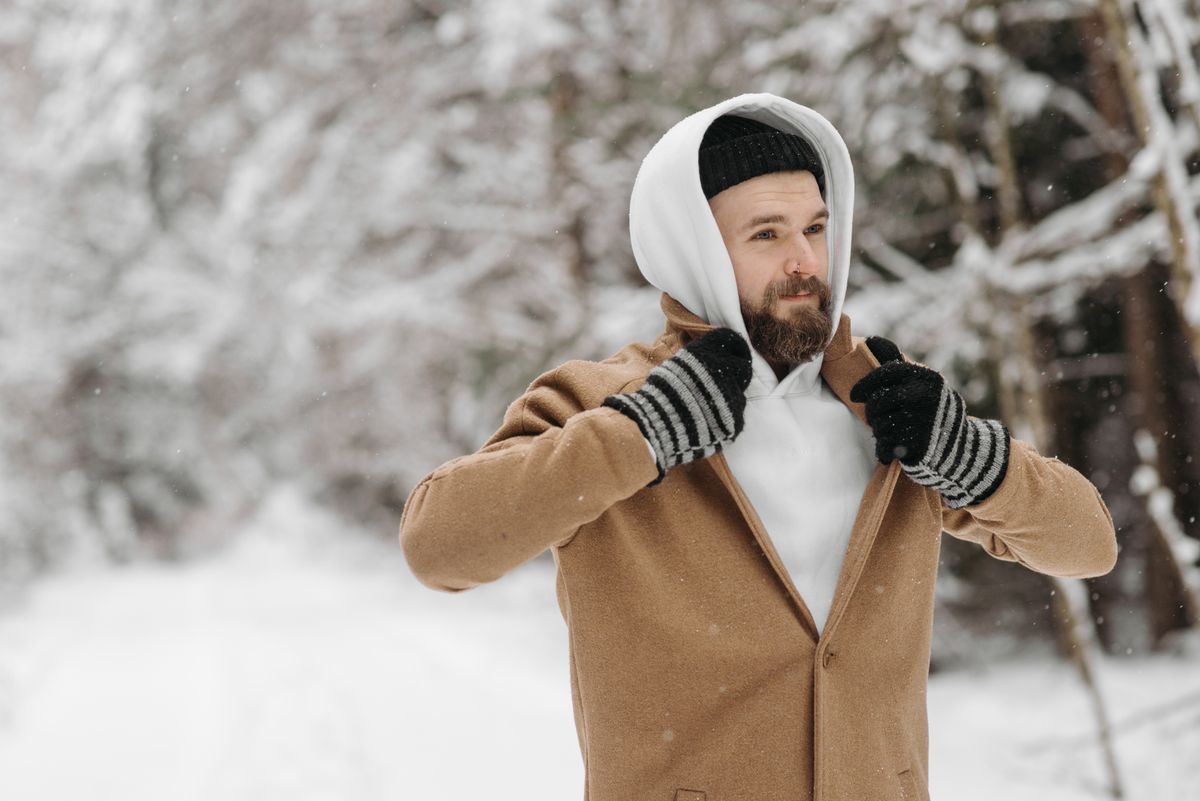
Your face is exposed to cold air whenever you step outside, particularly around the cheeks, chin, and jawline.
A beard adds a layer of hair between the skin and the surrounding environment. That hair can trap a small amount of relatively still air, which insulates.
The principle is similar to how some clothing materials help retain warmth. They create spaces that reduce air movement close to the body.
A thick beard may therefore provide more protection than a closely trimmed one. However, it does not create heat by itself. Its role is mainly to reduce some heat loss from the skin underneath.
Related: 9 Best Countries to Visit in Winter for an Unforgettable Holiday
Thicker Beards May Offer More Protection Than Short Stubble
Not all beards provide the same level of insulation.
A few days of stubble might change how cold the skin feels, but it offers much less coverage than a full, dense beard.
Longer facial hair can cover a larger surface area and create more space for trapped air. This may provide additional protection around the chin, lower cheeks, and jaw.
That does not mean the longest beard is automatically the warmest. Hair density, coverage, wind exposure, and moisture all matter.
Someone with a relatively short but thick beard may have more facial coverage than someone with a longer but sparse beard.
Your Beard Can Help Protect Your Face From Wind
Cold temperatures are uncomfortable, but wind can make outdoor conditions feel considerably harsher.
Moving air removes the thin layer of warmer air that can collect near exposed skin. This is one reason people often feel colder when walking outside on a windy winter day.
Facial hair can provide a small barrier against that moving air.
The protection isn’t complete, especially in strong winds or severe cold. However, a dense beard may help reduce direct exposure around the areas it covers.
This is particularly relevant for people who spend time outdoors during winter, whether walking their dogs, clearing snow, working outside, or commuting.
A Wet Beard Can Become Uncomfortable in Freezing Weather
Beard owners should not overlook one disadvantage.
Facial hair can collect moisture from rain, snow, sweat, and even condensation from breathing in very cold conditions.
When the hair becomes wet, it may feel cold against the skin. In freezing temperatures, accumulated moisture can also freeze.
That can make a beard uncomfortable rather than helpful.
Men who spend time outdoors in winter should avoid leaving their facial hair soaked for long periods. Gently drying it after coming indoors can help prevent prolonged dampness.
A beard may offer some insulation when dry, but don’t rely on wet facial hair for warmth.
Related: 7 Stunning Snowy Works of Art That Can Only Happen in Winter
A Beard Does Not Protect Every Part of Your Face
One reason people sometimes overestimate a beard’s warmth is that it covers only certain areas.
The nose, forehead, ears, and often much of the upper cheeks remain exposed.
These areas can still lose heat and become uncomfortable in cold weather.
Even a very full beard cannot replace a winter hat, scarf, or face covering in particularly harsh conditions.
If you live somewhere with freezing temperatures, proper winter clothing remains much more important than facial hair.
Facial Hair May Make Winter Outdoor Activities More Comfortable
For people who enjoy outdoor activities, a beard can provide a little extra comfort.
Imagine someone clearing snow from a driveway early in the morning. Their beard may protect their chin and lower cheeks while the rest of their face remains exposed.
The same may apply to people walking through cold neighborhoods, waiting for public transportation, or spending time outside during winter.
However, don’t exaggerate the benefits. A beard does not make someone immune to cold-related injuries, and exposed skin can still be affected by extreme temperatures.
Winter clothing, appropriate face protection, and limiting exposure during severe weather remain important.
Growing a Beard Just for Winter May Not Be Necessary
Some men grow beards because they like the look, while others prefer to stay clean-shaven year-round.
A little extra warmth is an interesting benefit, but it is not a compelling reason everyone needs to grow facial hair.
A comfortable winter coat, gloves, scarf, and suitable head covering will generally make a much bigger difference to overall warmth.
People who already have beards can simply treat them as an additional layer of protection rather than their main defense against cold weather.
There is also no need to assume that a man with a beard will always feel warmer than someone who shaves. Individual comfort depends on several factors, including clothing, activity, temperature, and wind.
Related: Top 13 Tourist Attractions in the United States You Must Visit
So, Does a Beard Really Keep You Warmer?
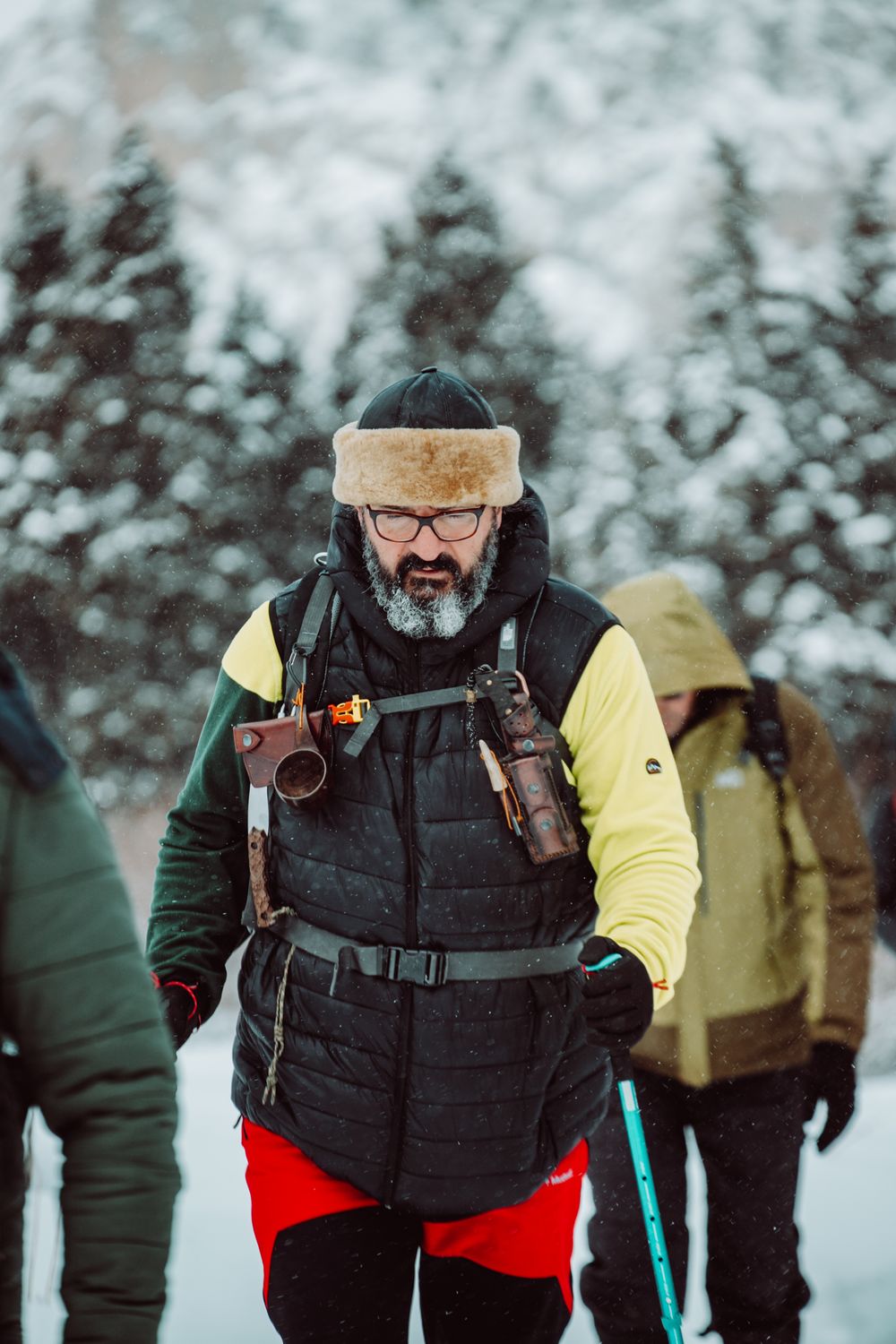
Yes, to some extent.
A beard can provide a modest insulating effect by trapping air close to the skin and reducing direct exposure to cold air and wind. A dense, dry beard may offer more protection than short stubble, although the difference is unlikely to replace proper winter clothing.
The interesting part is that something many men grow for appearance or personal preference can also serve a practical purpose when temperatures fall.
Still, a beard is not a winter survival tool. When the weather becomes dangerously cold, protecting all exposed skin matters far more than how much facial hair you have.