France and Spain Race to Contain Massive Wildfires as Another Heatwave Approaches
Smoke has turned the skies above parts of France and Spain a hazy orange. Ash is falling near vacation towns, families are leaving with little warning, and firefighters are racing against rising temperatures.
Crews have slowed several major wildfires, but another heatwave could undo that progress. Dry forests, low humidity and shifting winds have created dangerous conditions across southwestern Europe.
Firefighters gain ground near Bordeaux.
French firefighters made progress overnight against a massive wildfire west of Bordeaux. Calmer winds helped crews control flare-ups near coastal dunes, but officials warned that the fire remains dangerous.
The Gironde blaze has burned about 162 square miles, an area roughly four times the size of Paris. Around 220,000 residents and tourists have evacuated during the wider emergency.
Authorities also ordered thousands of people to leave campsites and tourist areas along France’s Atlantic coast. The region normally attracts large summer crowds, but several busy destinations now resemble emergency zones.
Firefighters continue to patrol containment lines and extinguish hidden hot spots. Even when flames disappear, heat can remain underground and reignite dry vegetation hours later.
Spain battles several dangerous fires.
Spain faces an equally difficult fight. Fires near Madrid, Ávila and Toledo have forced evacuations, closed roads and filled nearby communities with smoke.
Residents of several Toledo towns have started returning home as conditions improve. However, other fires remain active, and officials fear that hotter weather could push flames beyond existing containment lines.
A major fire in Ávila has become one of the largest in Spain’s history. Its enormous perimeter requires crews to protect communities, secure escape routes and decide where firefighting aircraft are needed most.
For returning residents, relief often comes with uncertainty. Flames may spare one neighborhood while destroying another, and power or water services can remain unavailable long after the immediate danger passes.
Another heatwave threatens the firefighting effort.
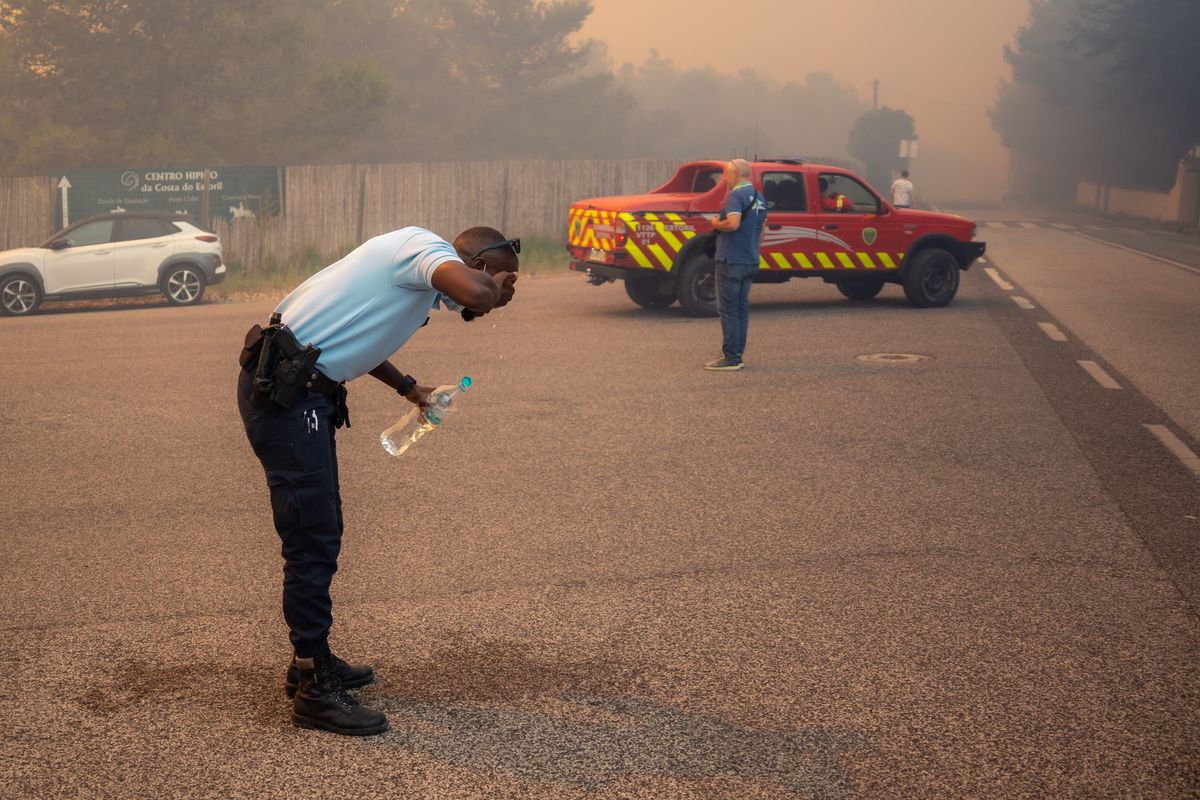
Temperatures could approach 100 degrees Fahrenheit in Paris and Madrid as the next heatwave reaches its peak. Some inland areas may become even hotter.
Heat does more than make firefighting uncomfortable. It removes moisture from grass, shrubs and trees, turning the landscape into fuel. A small spark can then become a fast-moving fire within minutes.
Extreme temperatures also place firefighters at risk of dehydration and exhaustion. They must work in heavy protective equipment while surrounded by smoke, flames and intense radiant heat.
Officials remain cautious because a sudden wind shift could change the direction of a fire. Crews are using every hour of calmer weather to strengthen barriers before conditions worsen.
Fires begin creating their own weather.
Some of the French wildfires have displayed unusually powerful behavior. The heat from an intense blaze can force air upward and form a towering cloud known as a fire thunderstorm.
These storms may produce lightning, strong downdrafts, and unpredictable wind. Lightning can ignite new fires, while sudden gusts can push flames in a different direction.
This makes the emergency especially dangerous for crews on the ground. Firefighters normally plan around weather forecasts and visible fire movement, but a blaze that influences the atmosphere can quickly disrupt those calculations.
Such extreme fire behavior shows how difficult modern wildfires have become to control. Water-bombing aircraft can slow the flames, but ground crews must still build and defend containment lines.
Vacation towns turn into evacuation zones.
The fires have arrived during Europe’s peak travel season. Coastal resorts, campgrounds and rural communities would normally be crowded with tourists.
Instead, families have abandoned tents, vehicles and personal belongings as emergency alerts ordered them to leave. Some visitors struggled to find safe routes because they did not know the local roads.
Evacuating a tourist area brings unique problems. Travelers may not understand local warnings, have reliable transportation or know where emergency shelters are located.
The economic losses could continue for months. Hotels, restaurants, campgrounds and small stores may lose vital summer income, while farmers face burned fields, damaged crops and disrupted harvests.
Why the crisis matters beyond Europe
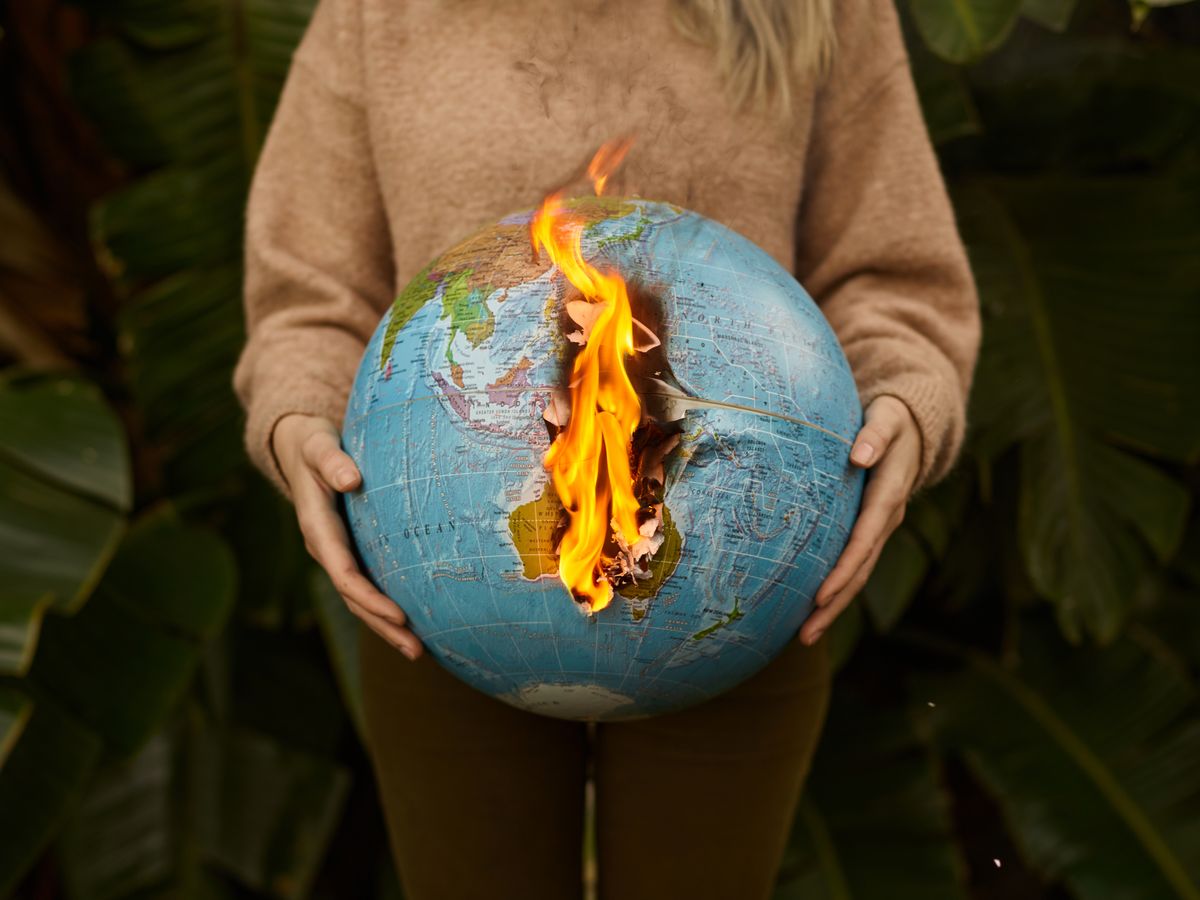
Although the fires are burning in Europe, the pattern feels familiar to many Americans. Communities across California, Oregon, Texas, Colorado and other states have faced similar combinations of extreme heat, dry vegetation and fast-moving flames.
Wildfire smoke can also travel far beyond the fire zone. People hundreds of miles away may experience unhealthy air, canceled outdoor events and increased breathing problems.
The crisis highlights the importance of early warnings, reliable evacuation routes and fire-resistant construction. Governments must also improve vegetation management and prepare communities before smoke appears on the horizon.
France and Spain will eventually extinguish these fires. However, the empty resorts, damaged forests and exhausted crews leave a troubling question: how many summers like this can communities endure before exceptional wildfire seasons become normal?