“The Irony Is Too Much”: Elon Musk Attacks Mamdani’s Grocery Plan, but the ID Claim Tells Only Half the Story
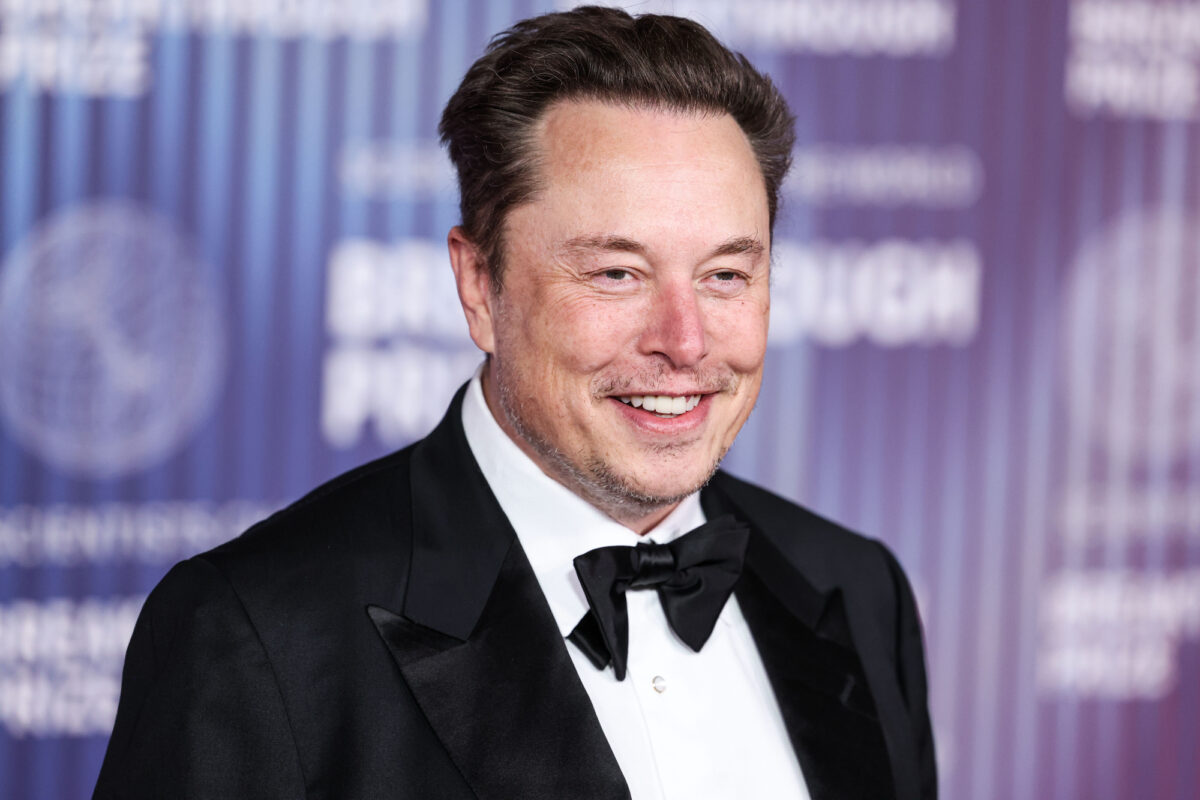
Elon Musk has turned New York City’s proposed municipal grocery stores into the latest battlefield in America’s argument over government assistance, voter identification and the limits of the free market. Responding to claims that shoppers would need identification to receive discounted groceries, Musk wrote, “Oh, the irony is too much,” before launching a broader attack on Mayor Zohran Mamdani and the city’s affordability program.
The criticism spread quickly because it offered a politically irresistible comparison: How could progressive officials support identification controls at subsidized grocery stores while opposing stricter identification requirements for voting? Sen. Rick Scott and Barstool Sports founder Dave Portnoy amplified that argument. There was one major problem, however. New York City officials say shoppers will not be required to prove their identity, income or residency before buying groceries.
A “Library Card” Remark Ignites a Political Firestorm
The controversy began during a July 27, 2026, press conference announcing new details about the N.Y.C. Groceries initiative. A reporter asked how the city would stop customers from purchasing large quantities of discounted products and reselling them for profit. Mamdani said the program was intended to help New Yorkers put food on their tables, not allow resellers to make “a quick buck.”
Jeanny Pak, interim president and CEO of the New York City Economic Development Corporation, then said officials were considering ways to focus the program on ordinary New Yorkers, possibly through something resembling a library-card system. That tentative comment was transformed online into the much stronger claim that government-issued identification would be compulsory. City Hall later clarified that the stores would be open to everyone and that no identity, residency or income verification system was planned.
The distinction matters. A supermarket loyalty card designed to monitor purchasing patterns or discourage bulk reselling is not necessarily the same as requiring a driver’s license, passport or government identification card. According to the administration’s clarification, shoppers would not be blocked from purchasing food simply because they lacked formal identification.
That did not stop the political comparison from taking off. Musk’s post reduced a developing operational discussion into a memorable accusation of hypocrisy. Scott argued that identification requirements for groceries would expose an inconsistency in progressive opposition to federal voter-ID legislation, while Portnoy said supporters should take the same position on identification in both settings. Their comments reflected a broader political argument, but they relied on a requirement the city says does not exist.
The Stores Are Discounted, Not Free
Another misleading description circulating around the controversy is that Mamdani is creating “free” government grocery stores. The announced plan does not promise unlimited free food. It calls for five city-owned supermarkets, one in each borough, where a core group of essential products would be priced 30 percent below typical retail levels.
The discounted basket is expected to include fresh produce, meat, seafood, milk, bread and roughly 20 additional categories of pantry, dairy and refrigerated goods. The city projects that the lower prices could reduce an average participating household’s total grocery bill by approximately 15 percent, producing estimated savings of about $90 each month or roughly $1,000 annually. Those numbers remain projections because the stores have not opened.
The city has allocated $70 million in capital funding for the initiative. New York would own or support the locations, establish affordability standards and cover major property costs, while experienced private grocery companies would compete to manage daily operations. The operators would handle staffing, inventory, food sourcing, customer service, security and loss prevention.
The first store is expected to open in Hunts Point in the Bronx by the end of 2027. A second confirmed location is La Marqueta in East Harlem, while sites in Brooklyn, Queens and Staten Island have yet to be finalized. City officials say all five stores are expected to be operating by the end of 2029.
Musk’s Attack Avoids the Harder Economic Questions
Musk’s response was not limited to the identification debate. He portrayed the municipal stores as political propaganda and argued that government-run assistance takes resources from other people while pretending to provide something for free. He also made personal accusations against Mamdani without supporting evidence.
There are legitimate questions about the grocery plan, but they are more complicated than the viral ID comparison. Independent grocers and bodega owners fear that publicly supported stores could undercut businesses that must pay commercial rent, property expenses and other operating costs without comparable subsidies. The city counters that only five stores are planned across a market containing more than 1,000 existing grocery businesses and that the municipal locations will not sell several products that generate important revenue for bodegas, including alcohol, cigarettes, lottery tickets and hot food.
The financial sustainability of the stores also remains uncertain. The 30 percent discount may attract customers, but grocery retailers generally operate with narrow profit margins. Taxpayers will ultimately need clear information about operating losses, security costs, supply contracts and the amount of continued public support required after the initial construction funding is spent. Critics have also questioned whether expanding food assistance or reducing regulatory costs for existing stores would provide broader relief.
Supporters see the program differently. They argue that predictable pricing could provide meaningful relief in neighborhoods where food costs consume a large share of household income. The administration says grocery prices have risen 33 percent nationally since 2019 and that more than 40 percent of New York City families struggle to afford food. The stores are intended to test whether public investment combined with private grocery expertise can lower essential costs without replacing the wider retail market.
The Real Test Will Come at the Checkout
Musk succeeded in turning a vague comment about a possible savings-card system into a national argument about political hypocrisy. His reaction was concise, provocative, and perfectly designed for social media. Yet the available details do not support the claim that Mamdani formally proposed mandatory identification for shoppers.
The more important debate is whether five subsidized stores can deliver lasting savings without wasting public money or damaging neighborhood businesses. That answer will not be found in viral posts from billionaires, politicians or media personalities. It will emerge from contracts, operating expenses, customer receipts and the experiences of New Yorkers after the first store opens in 2027.