
8 Creepy Ways AI Images Are Changing How People See Themselves Online
AI images have quietly turned the internet into a mirror that does not always tell the truth. People can now upload one photo and see themselves younger, smoother, slimmer, richer, sharper, more glamorous, more powerful, or completely reborn as a fantasy version of who they might have been.
That sounds fun until the edited image starts feeling more lovable than the real face in the bathroom mirror. Apps tied to AI filters, avatars, and face editing are now part of everyday digital life on platforms like TikTok, Instagram, Snapchat, and Lensa AI, and researchers warn that these tools can shape how people judge their own bodies and faces.
AI Images Make the Fake Version Look More Desirable
The creepiest part of AI self-images is how quickly they can make the edited version feel like the better version. A person uploads a regular selfie, and within seconds the app returns a face with brighter skin, sharper features, fuller hair, stronger cheekbones, wider eyes, cleaner lighting, and a strangely perfect glow.
The image still looks like the person, but it also looks like someone who has been quietly upgraded.
That tiny gap can become emotionally dangerous. When the AI version looks close enough to feel possible, people may begin comparing their real face to a digital face that was never real. A 2026 Springer study on children found that greater exposure to AI-generated self-images was linked with lower body satisfaction, especially when adult guidance was weak.
AI Beauty Standards Are Starting to Look Too Perfect
Old beauty standards were already hard enough. Social media gave people endless examples of filtered skin, edited waists, staged lifestyles, and carefully lit faces. AI adds a colder layer because it can generate beauty without fatigue, aging, pores, bad angles, awkward expressions, or ordinary human imbalance.
That makes the standard feel almost ghostly. A 2026 MDPI study comparing AI-generated female faces with real model agency photos found that the AI faces received higher average attractiveness scores, suggesting a bias toward idealized beauty.
Once people see thousands of faces shaped by this kind of artificial perfection, normal human faces can begin to look unfinished.
AI Turns Self-Improvement Into Self-Rejection
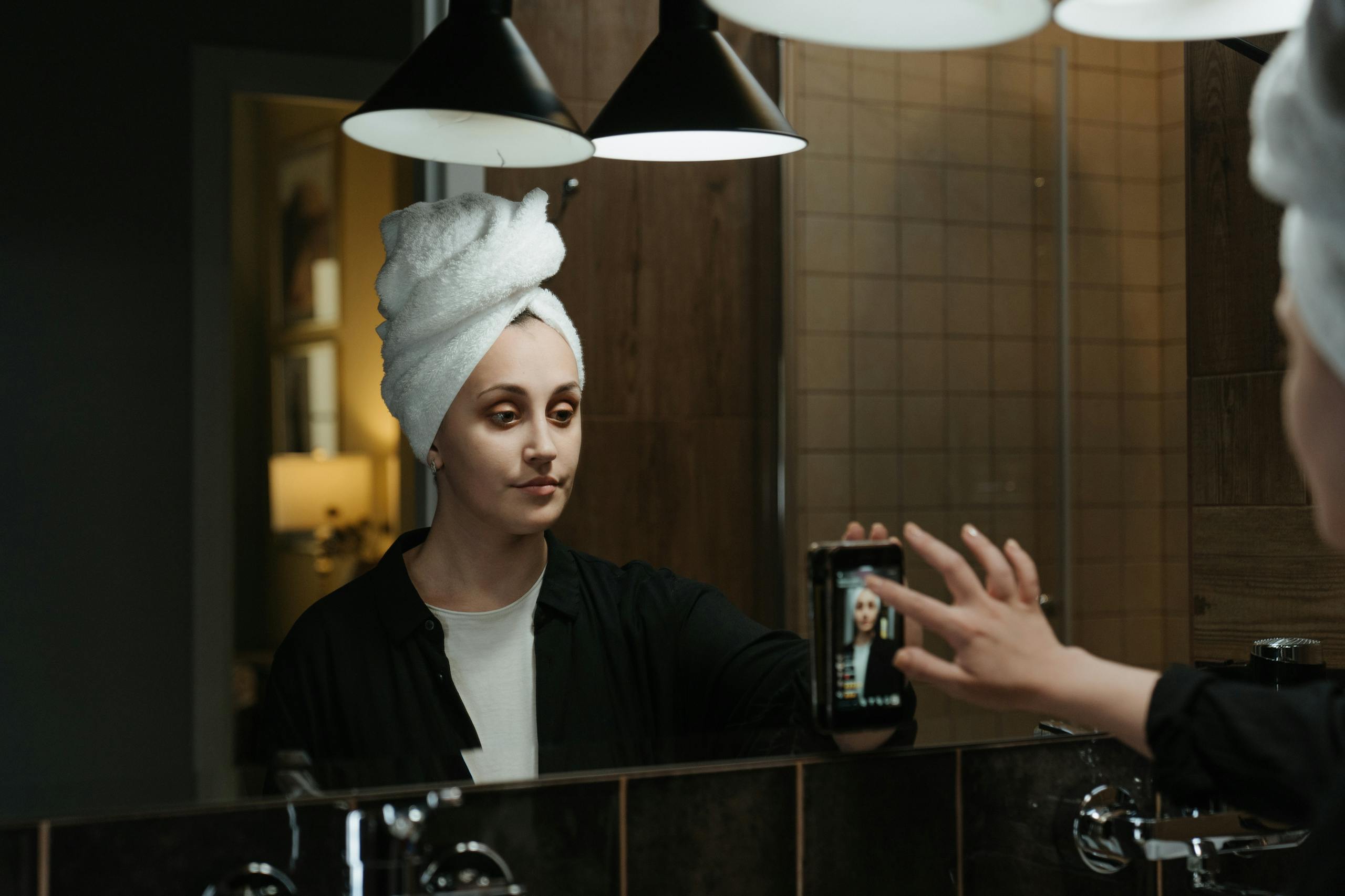
There is nothing wrong with wanting to look good in a photo. People have always chosen flattering outfits, lighting, poses, hairstyles, and makeup. The problem begins when the goal shifts from looking your best to completely escaping your real appearance.
AI images make that escape feel easy. They can erase tiredness, reshape features, smooth skin, brighten eyes, and turn ordinary moments into polished fantasy portraits. Over time, the person may stop asking, “Do I like this photo?” and start asking, “Why do I not look like this all the time?” That question can quietly turn playful editing into self-rejection.
AI Avatars Make Identity Feel Like a Costume Rack
AI image tools not only beautify people. They turn identity into something that can be switched, styled, repackaged, and sold back as content. One day, someone is a royal portrait; the next, a futuristic warrior, a luxury model, a cartoon character, a fantasy bride, a celebrity lookalike, or an ultra-polished business icon.
That freedom can be creative, but it can also feel unsettling. When identity becomes a scrollable costume rack, people may begin treating their real selves as the least exciting option. The online self becomes dramatic, cinematic, and praised. The offline self feels plain by comparison, even though it is the only version that actually lives, feels, grows, and connects.
AI Makes Comparison Feel More Personal
Social media comparison used to mean comparing yourself to other people. AI changes that by making people compare themselves to an improved version of themselves. That is a much stranger kind of pressure because the rival is not a celebrity, influencer, or stranger. The rival is your own face, redesigned by software.
This can feel especially intense because the AI image is sufficiently similar to evoke hope and sufficiently perfect to cause discomfort. People may think, “This is still me, so why can’t I look like this?” The answer is simple but easy to forget: the image is not a goal. It is a synthetic design built from patterns, filters, and prediction.
AI Images Can Make Normal Aging Feel Like Failure
AI tools are especially good at removing the signs of time. They can soften lines, tighten skin, brighten eyes, thicken hair, lift the face, and create a version of someone that looks permanently fresh. That may feel harmless in a single post, but repeated exposure can change how people think about aging.
The real face ages because it is alive. It changes with stress, sleep, grief, joy, parenting, work, illness, weather, laughter, and time. AI images can make those natural signs look like flaws that need correction. That is creepy because it teaches people to distrust the evidence of their own lives.
AI Can Make Young Users More Vulnerable
Children and teens are still building their sense of identity, which makes AI self-images more powerful for them than many adults realize. If a young person repeatedly sees a prettier, slimmer, smoother, or more popular-looking version of themselves, they may begin to treat that version as the face they should have had.
That can turn normal insecurity into a sharper kind of dissatisfaction.
The Springer study on children aged six to twelve found a significant negative relationship between AI-generated image exposure and body satisfaction. The researchers also found that parental mediation was associated with protection, meaning guidance and conversation can help young users process altered images more safely.
This matters because children may not always understand that AI images are engineered fantasies, not honest reflections.
AI Blurs the Line Between Confidence and Performance
AI images can make people feel confident, but sometimes that confidence depends on performance. The edited face gets posted. The likes arrive. The compliments follow. The person feels seen, but they may also begin to wonder whether people are admiring them or the version of them the app created.
That creates a quiet emotional trap. The more praise the AI image gets, the harder it may become to post a normal photo. Confidence starts relying on polish, and authenticity begins to feel risky. The person is not just sharing themselves anymore. They are managing a digital character that must stay attractive, impressive, and algorithm-friendly.
Conclusion

AI-generated images are changing how people see themselves online by making fantasy feel personal. They do not simply show an impossible celebrity body or a polished influencer face. They take your own image, improve it, stylize it, and hand it back like a better identity you could almost reach.
That is what makes the trend so creepy. The danger is not that people will use AI images for fun. The danger is that some people may start believing the edited face is the real standard, and the real face is the problem.
In a world full of artificial mirrors, learning to like the unedited self may become one of the most important digital survival skills.


