10 foods that may be quietly wrecking your cholesterol
High cholesterol does not usually walk into your life with flashing lights. It shows up in ordinary meals that feel normal, familiar, and even comforting. The danger is not always one giant plate of greasy food. Sometimes it is the steady rhythm of bacon at breakfast, cheese at lunch, fried takeout at night, and a sweet snack before bed.
That is what makes the food side of cholesterol so tricky. Many of the worst choices are not strange or rare. They are the foods people reach for when they are tired, busy, stressed, celebrating, or just trying to get through a long day. If LDL cholesterol is already high, these everyday favorites can make the numbers harder to control.
Fast food combos can turn one meal into a cholesterol disaster

Fast food is one of the easiest ways to stack several cholesterol problems on one tray. A cheeseburger brings fatty meat and cheese. Fries add deep-fried starch and salt. Creamy sauces add even more fat. A milkshake adds sugar and full-fat dairy, turning a quick meal into a heavy hit your body did not ask for.
The trouble is not just the burger or the fries by themselves. It is the full combo effect. Many fast-food meals are designed to be oversized, salty, rich, and easy to finish before fullness sets in. If high cholesterol is already a concern, fast food should become an occasional backup, not a weekly routine. Smaller portions, grilled options, water instead of soda, and skipping extra cheese or bacon can help reduce the damage.
Processed meats can make breakfast look healthier than it is
Bacon, sausage, hot dogs, pepperoni, salami, ham, and bologna are small foods with a big cholesterol problem. They are often made from fattier cuts of meat and are high in sodium. That makes them a rough choice for anyone trying to manage heart health. The portions may look harmless, but the habit builds quickly.
Processed meats are also rarely eaten alone. Bacon usually comes with eggs cooked in butter. Sausage often lands beside pancakes, fried potatoes, or white toast. Pepperoni hides under cheese on pizza. A better daily pattern is to choose grilled chicken, turkey breast, tuna, beans, lentils, hummus, or eggs with vegetables. The flavor can stay bold without letting processed meat run the plate.
Fried foods can make “just one bite” hard to control
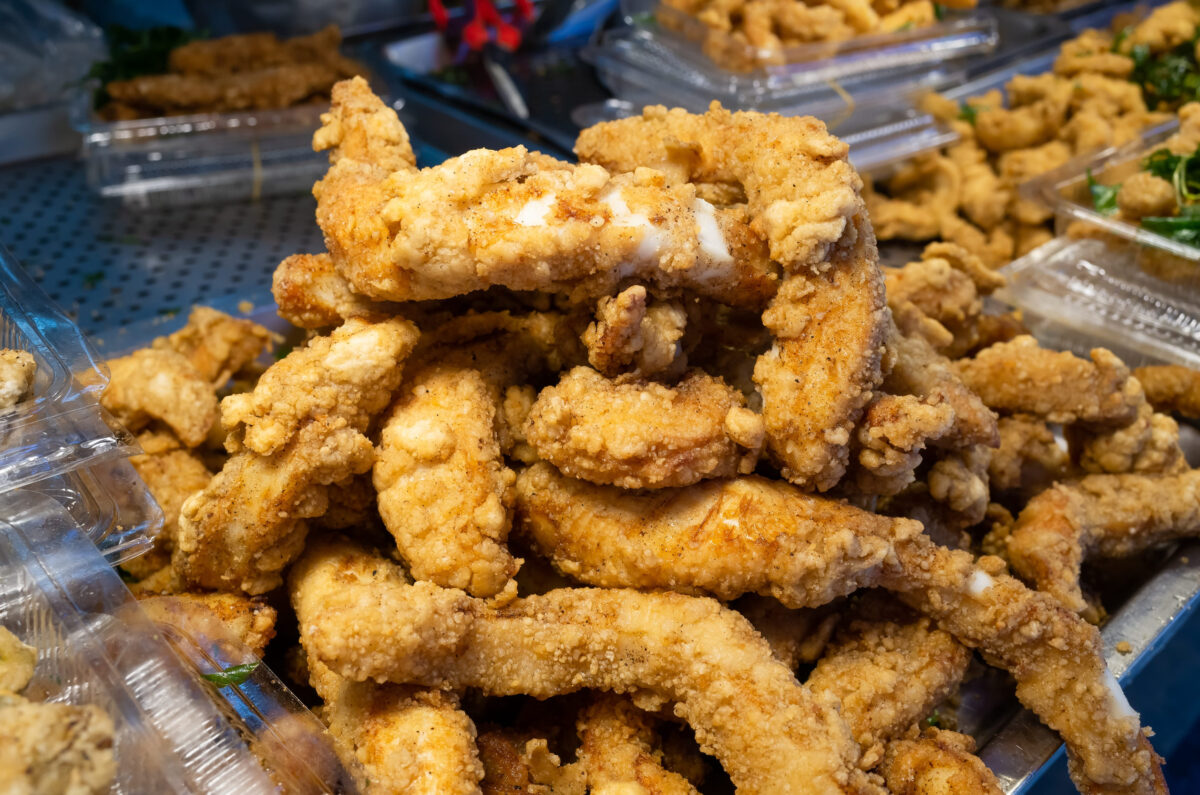
Fried chicken, French fries, onion rings, fish sticks, doughnuts, and fried appetizers have a dangerous kind of charm. They are crunchy, salty, warm, and built for cravings. That is why people rarely stop at one small serving. Fried foods often bring excess calories, refined carbs, unhealthy fats, and large portions all at once.
The better move is not to pretend that crunch does not matter. It does. Air-fried potatoes, roasted chickpeas, baked chicken strips, oven-crisped fish, and crunchy vegetables can give the same satisfaction with less grease. Fried foods should not be the default way to make dinner exciting. Seasoning, texture, and smart cooking can do that without making LDL cholesterol harder to manage.
Fatty cuts of meat can keep LDL levels stuck
A juicy steak may feel like a classic dinner, but fatty red meat can work against better cholesterol numbers. Ribeye, beef ribs, brisket, lamb chops, pork belly, and regular ground beef can contain a lot of saturated fat. That matters because saturated fat is one of the main dietary factors linked with higher LDL cholesterol. The meal gets even heavier when the meat comes with butter, cheese, creamy sauce, fries, or mashed potatoes.
Red meat does not have to disappear from the menu forever. It just needs a smaller role. Choose leaner cuts, trim visible fat, use smaller portions, and avoid building the entire plate around meat. Fish, beans, lentils, skinless poultry, tofu, and vegetable-heavy meals can still feel filling. A heart-conscious plate should feel satisfying, not stripped bare.
Butter-heavy foods can sabotage a meal that started well

Butter can quietly change the whole personality of a meal. A baked potato starts simple, then gets buried under butter and sour cream. Vegetables start healthy, then get coated in butter sauce. Toast, pancakes, corn, pasta, fish, and steak can all become saturated-fat delivery systems when butter takes over.
The problem is not that butter tastes good. It does. The problem is using it as the answer to every flavor issue. Olive oil, garlic, lemon juice, herbs, vinegar, mustard, pepper, spices, and tomato-based sauces can make food taste rich and lively without depending on butter. Save butter for moments when it truly matters, not as an automatic reflex.
Full-fat dairy can sneak into the day from every direction
Whole milk, heavy cream, full-fat yogurt, sour cream, cream cheese, regular cheese, and creamy dips can quietly raise saturated fat intake. A little cream in coffee, cheese in an omelet, ranch dressing at lunch, and ice cream after dinner may not look extreme on their own. Together, they can turn an ordinary day into a cholesterol-heavy one.
Cheese is the biggest trickster in this group because it shows up everywhere. Pizza, burgers, nachos, casseroles, sandwiches, pasta, and breakfast wraps all become heavier once cheese becomes the main event. Better choices include low-fat Greek yogurt, skim or 1% milk, reduced-fat cottage cheese, and smaller amounts of sharp cheese for a stronger flavor. The aim is not to remove creaminess from life. It is to stop full-fat dairy from quietly appearing in every meal.
Creamy sauces and dressings can make healthy food less healthy
A salad can look like the responsible choice until it gets covered in creamy dressing, bacon bits, cheese, croutons, and fried chicken. Pasta can seem harmless until the sauce is loaded with cream, butter, and cheese. Even grilled proteins can become heavier when they arrive under a blanket of gravy, alfredo sauce, or rich dressing.
This is where many people get fooled. They choose the “better” base, then lose the benefit through toppings and sauces. Tomato-based sauces, vinaigrettes, salsa, mustard, lemon juice, herbs, Greek yogurt dressings, and spice blends can bring plenty of flavor with less saturated fat. Ask for sauces on the side when eating out. At home, measure the dressing instead of pouring as the bottle owes you money.
Pastries can turn breakfast into dessert before the day start
Muffins, croissants, biscuits, cinnamon rolls, doughnuts, cakes, cookies, and packaged snack cakes are not friendly to a cholesterol-conscious diet. Many are made with butter, shortening, cream, refined flour, and sugar. They may look softer and less greasy than fried food, but they can still bring a heavy mix of saturated fat and refined carbs.
The worst part is how normal pastries have become as breakfast. A muffin with coffee sounds innocent, but many store-bought muffins are closer to cake than a balanced morning meal. Oatmeal, whole-grain toast, fruit with yogurt, homemade oat muffins, and smoothies with protein can make the morning better. Sweet food can still have a place, but it should not become the first cholesterol hit of the day.
Tropical oils can hide behind a fake health halo
Coconut oil and palm oil often sound more natural than they really are in the body. They are plant-based, but that does not automatically make them heart-friendly. Both are high in saturated fat, which can be a problem for people trying to lower LDL cholesterol. Coconut oil in particular has been marketed as a wellness staple, but the label does not cancel out the fat profile.
For everyday cooking, liquid plant oils are usually better options. Olive oil, canola oil, sunflower oil, safflower oil, and soybean oil can fit more easily into a cholesterol-conscious kitchen. Portions still matter because oil is calorie-dense. The point is not to fear every drop of fat. It is to choose the fats that do less harm when used regularly.
Sweet frozen treats can become a nightly trap.
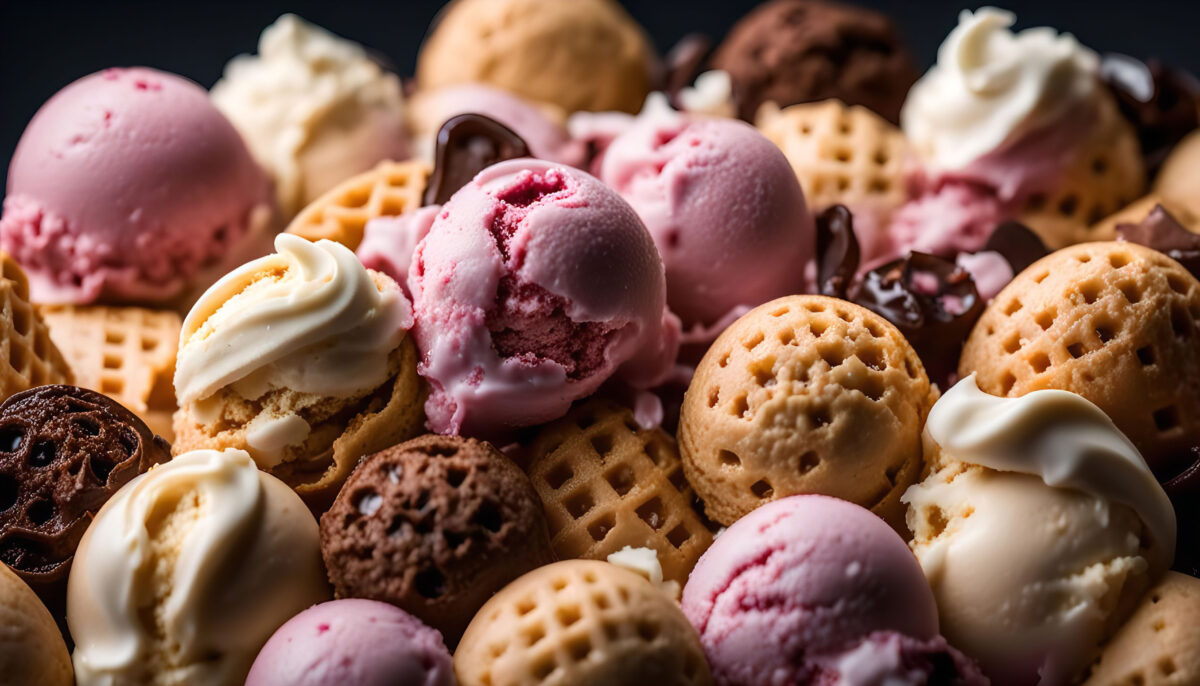
Ice cream, frozen custard, milkshakes, and creamy frozen desserts can be a problem because they often combine saturated fat and added sugar. That combination is easy to love and easy to overdo. A small bowl after dinner can slowly become a nightly habit, especially when the carton is sitting right there in the freezer.
The better choice is to treat rich frozen desserts like an occasional pleasure instead of a daily routine. Frozen Greek yogurt, fruit pops, blended frozen bananas, berries, or smaller pre-portioned servings can help keep the craving under control. The goal is not to make dessert disappear. It is to stop dessert from becoming the quiet reason cholesterol numbers refuse to improve.
Conclusion
High cholesterol does not mean every favorite food is suddenly forbidden. It does mean the repeat offenders need to stop getting unlimited access to the plate. Fast food combos, processed meats, fried foods, fatty meats, butter-heavy meals, full-fat dairy, creamy sauces, pastries, tropical oils, and rich frozen desserts can all make LDL cholesterol harder to manage when they become routine.
The smarter path is replacement, not punishment. More oats, beans, lentils, vegetables, fruit, fish, nuts, seeds, lean proteins, whole grains, and healthier oils can make meals feel full and flavorful without leaning so hard on saturated fat. A cholesterol-friendly diet should not feel like a joyless medical chart. It should feel like normal food with fewer silent troublemakers.