8 Kitchen Items You Should Never Buy Cheap, According to Cooking Experts
Saving money on kitchen supplies can feel smart, especially when grocery bills already eat up a big chunk of your budget. But that bargain knife or flimsy baking pan might not hold up after a few months of regular use. Sometimes, spending less upfront means replacing the same item sooner than expected.
Professional chefs know that the quality of everyday kitchen tools can make a difference in cooking performance and durability. However, that doesn’t mean you need expensive gadgets or fancy brand names to prepare a good meal. These eight kitchen essentials are worth choosing carefully, even if that means spending a little more.
Kitchen Knives
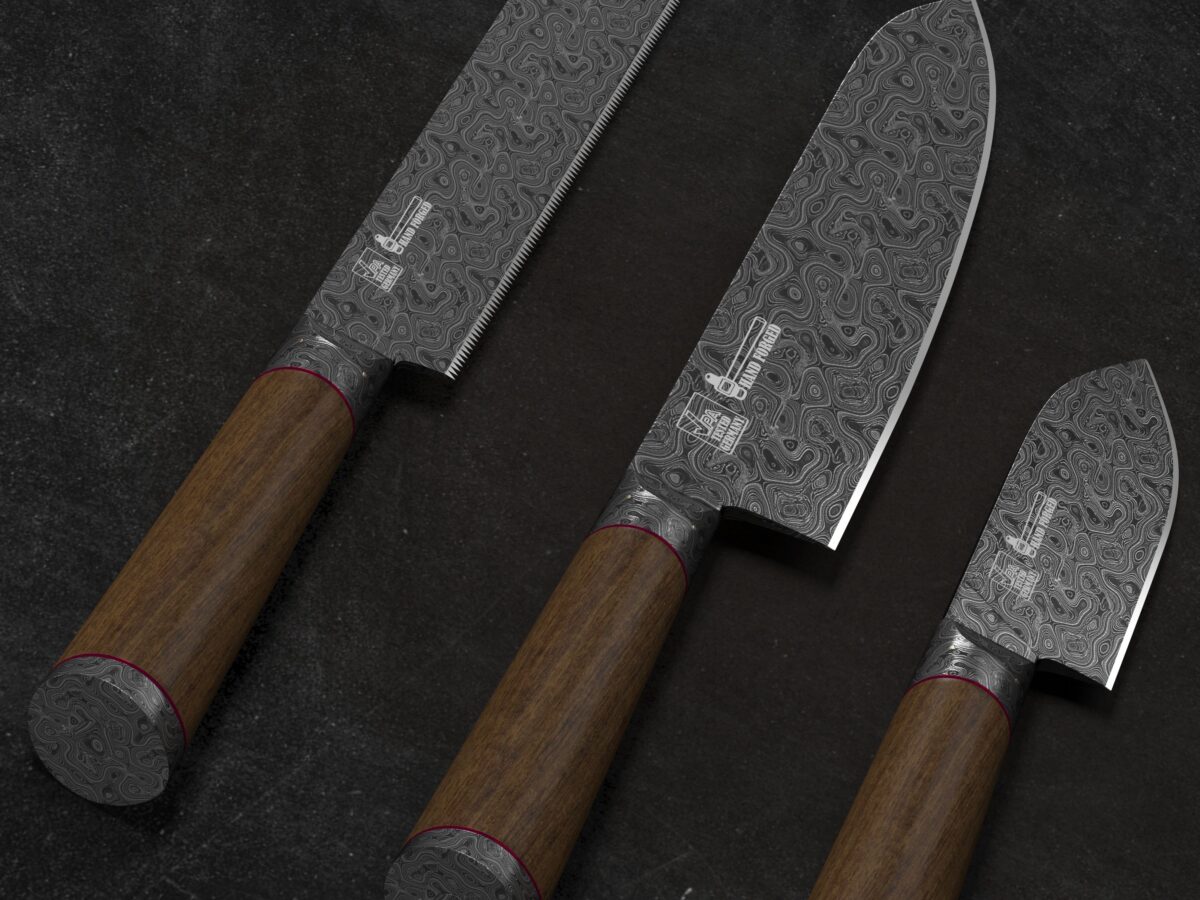
A cheap knife might look fine when you first take it out of the packaging. However, poor balance, uncomfortable handles, and blades that struggle to hold an edge can quickly turn everyday food prep into an unpleasant chore, since knives handle everything from chopping onions to slicing meat.
Consumer Reports recommends focusing on a knife’s construction, balance, and comfort rather than its appearance or price alone. A dependable chef’s knife, paring knife, and bread knife can handle most everyday kitchen tasks without requiring a massive collection. Instead of buying an inexpensive 15-piece set, invest in a few well-made knives that feel comfortable in your hands.
Cutting Boards
Cutting boards probably aren’t the most exciting kitchen purchase, but you use them almost every day. Thin, inexpensive plastic boards can warp, develop deep scratches, and slide across the counter while you prep food. That movement gets especially frustrating when you’re chopping vegetables or prepping multiple ingredients.
A sturdy wooden cutting board can offer a stable surface and a pleasant cutting experience. However, wood requires proper maintenance, including regular cleaning and avoiding prolonged soaking in water. If you prefer plastic, choose a thick, durable board that stays flat, rather than grabbing the cheapest option.
Stainless Steel Skillets
A good stainless steel skillet can become one of the hardest-working pieces of cookware in your kitchen. You can use it to brown meat, sauté vegetables, and prepare countless everyday meals. Unfortunately, poorly constructed pans may heat unevenly, making it harder to cook consistently.
Look for a skillet with a sturdy handle, a flat base, and construction that distributes heat evenly. Consumer Reports notes that stainless steel cookware is valued for its durability and versatility, although affordable models can also perform well. You don’t need an entire expensive cookware collection, but a reliable everyday skillet is worth prioritizing over a bargain set with questionable quality.
Food Storage Containers
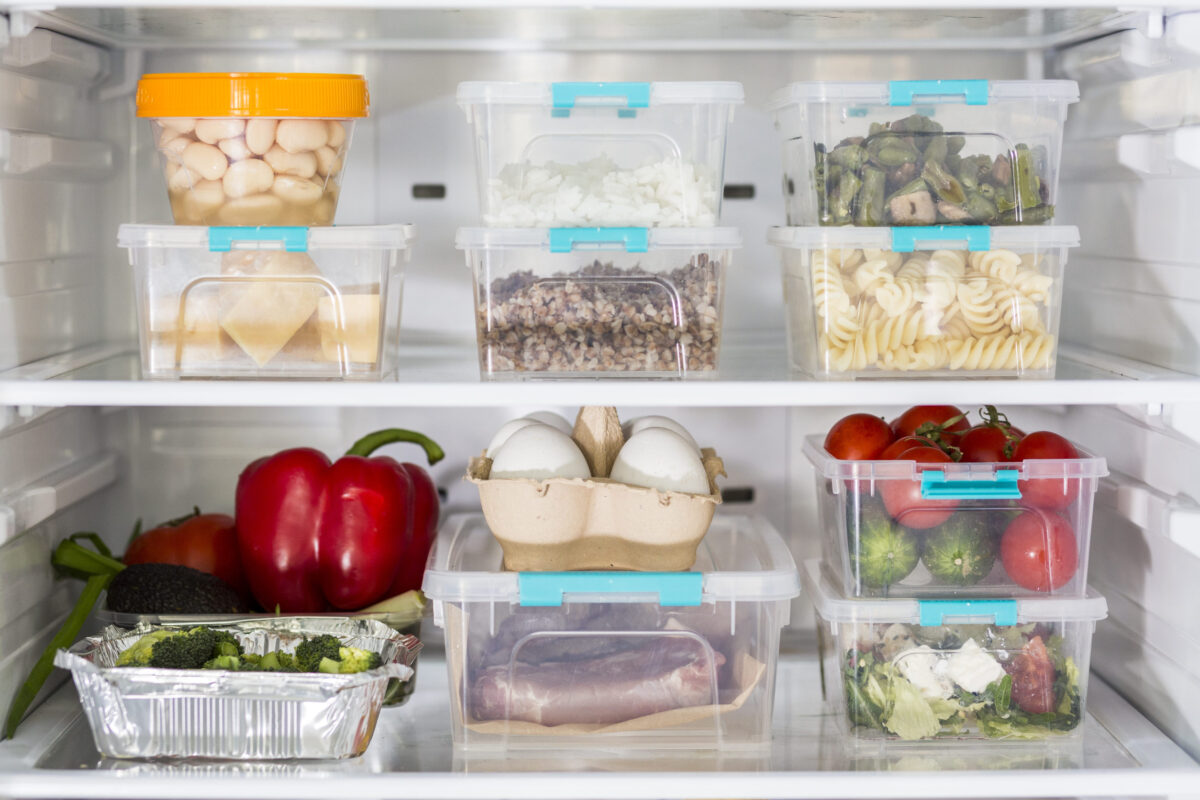
Everyone has probably experienced the frustration of opening a kitchen cabinet filled with mismatched containers and missing lids. Cheap containers can stain, lose their shape, or become hard to close properly after repeated use. When the lid no longer seals, even a perfectly good container becomes much less useful.
Glass containers from established brands such as Pyrex and Anchor Hocking are popular alternatives to lightweight disposable-style plastic storage. Durable plastic options can also work well, especially when they have sturdy lids and dependable seals. Before buying a large matching set, consider how easily the containers stack, whether replacement lids are available, and how well they suit your storage needs.
Related: 6-kitchen-storage-habits-that-are-quietly-shrinking-your-small-kitchen/
Kitchen Scales and Thermometers
Cooking sometimes allows room for guesswork, but baking and temperature-sensitive recipes are less forgiving. An unreliable kitchen scale can produce inconsistent measurements, even when you follow the recipe carefully. Similarly, a slow or inaccurate thermometer can make checking cooking temperatures unnecessarily frustrating.
Fortunately, reliable measuring equipment doesn’t have to cost a fortune. A practical digital scale with a clear display, a tare function, and a stable weighing platform can handle most household baking tasks. For thermometers, prioritize accuracy, response time, and easy-to-read measurements instead of paying extra for smartphone connections or features you may never use.
Blenders and Food Processors
A blender that struggles with frozen ingredients or a food processor that stalls during demanding tasks can quickly test your patience. Inexpensive models sometimes have weaker motors, less durable components, or bowls not built for frequent heavy use. Those shortcomings matter most when you regularly prepare thick mixtures or process firm ingredients.
Premium models from established manufacturers, including Vitamix and Cuisinart, offer options designed for demanding kitchen work. However, someone who occasionally makes a smoothie may not need the same machine as someone who prepares large batches every week. Compare motor capability, replacement parts, warranties, and the manufacturer’s recommended uses before deciding how much to spend.
Stand Mixers
If you regularly bake bread, cookies, or homemade cakes, a dependable stand mixer can become a favorite kitchen companion. Budget mixers may handle light batters adequately but struggle to knead heavy dough or perform under demanding conditions. Weaker gears, smaller motors, and flimsy attachments can limit their usefulness.
KitchenAid is one established name in this category, offering mixers with different capacities and capabilities. Still, an expensive mixer isn’t automatically the right choice for every home baker, especially if it will spend most of its time sitting on the counter. Before buying, consider your baking habits, typical batch sizes, and the manufacturer’s recommended dough capacity.
Baking Pans
That loud popping sound coming from your oven might be a baking sheet suddenly warping under heat. Thin metal pans can flex with temperature changes, sometimes leaving a distorted surface that makes even cooking harder. Flimsy baking sheets can also become frustrating to stack and store once they lose their original shape.
Consider heavier-gauge baking pans because their sturdier construction resists bending during regular use. Restaurant supply stores and baking supply shops are good places to find practical commercial-style sheet pans without paying for decorative finishes. No matter the price, let pans cool before washing to avoid unnecessary stress from sudden temperature changes.
The Bottom Line
Buying expensive kitchenware isn’t a requirement for becoming a better home cook. What matters is choosing dependable tools that match how frequently you cook and how much work you expect them to handle. Spending wisely on these eight essentials can mean fewer disappointing purchases, more enjoyable cooking, and less money wasted on replacements.
Other articles you may like:
– if-you-still-have-these-9-things-in-your-kitchen-you-grew-up-with-practical-parents/
– 10-gray-kitchen-ideas-that-actually-feel-chic-in-2026/
– eight-kitchen-appliance-choices-that-could-date-your-kitchen-fast/