345 Sick Across 27 States: How a Mexican Jalapeño Supply Chain Triggered a Nationwide Salmonella Investigation
A single ingredient moving through America’s complex food network has triggered one of the country’s largest recent food safety investigations after Mexican jalapeño peppers were linked to a Salmonella outbreak that has sickened 345 people across 27 states. The outbreak has forced restaurants to remove peppers, suppliers to issue recalls, and federal health agencies to trace how contaminated produce traveled from farms to consumers.
The Centers for Disease Control and Prevention (CDC) and the Food and Drug Administration (FDA) are investigating the source of the contamination after identifying a connection between illnesses and jalapeños supplied from Mexico’s Sinaloa region. At least 36 people have been hospitalized, although no deaths have been reported.
The outbreak has placed renewed attention on the challenges of modern food distribution. A pepper grown thousands of miles away can move through multiple businesses before reaching a customer’s plate, creating a race against time for investigators trying to stop additional illnesses.
A Multi-State Salmonella Outbreak Begins With a Single Ingredient
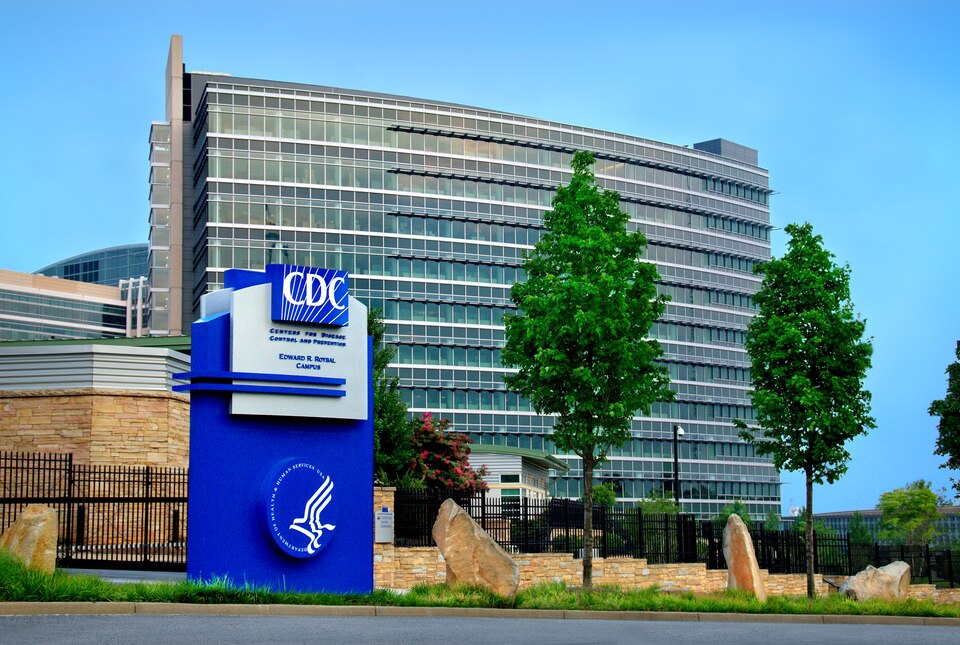
The Salmonella outbreak linked to Mexican jalapeños has expanded into a nationwide investigation involving health officials across 27 states. According to federal agencies, illnesses were reported between June 19 and July 20, with hundreds of people becoming sick after consuming food connected to contaminated peppers. The CDC and FDA reported 345 illnesses and 36 hospitalizations associated with the outbreak.
While no deaths have been reported, officials warn that Salmonella infections can become serious, particularly for young children, older adults, and people with weakened immune systems. The scale of the outbreak shows how quickly a food safety problem can spread when a shared ingredient enters a national supply chain.
Unlike a local restaurant outbreak, contaminated produce can reach multiple businesses, cities, and states before investigators identify the source. The investigation remains active as officials continue collecting information, reviewing food histories, and tracing the movement of affected peppers through the distribution network.
Federal Investigators Trace the Problem Back Through the Food Supply Chain
Finding the source of a foodborne illness outbreak is often like solving a complicated puzzle. Health officials must work backward by comparing what sick individuals ate, identifying common ingredients, and examining where those products originated. In this case, investigators linked the illnesses to jalapeño peppers supplied by a common grower in Sinaloa, Mexico.
The peppers were distributed in the United States by Coast Citrus Distributors, which later agreed to recall remaining affected products. The FDA said the distributor does not appear to have supplied the recalled jalapeños directly to grocery stores. Instead, investigators identified restaurant supply chains as the primary concern during the outbreak response.
The process highlights why food traceability has become increasingly important. When ingredients travel through multiple stages before reaching consumers, quickly identifying every location connected to a contaminated product becomes one of the biggest challenges facing regulators.
Why Jalapeños Became the Center of the Investigation
Fresh peppers can create unique food safety challenges because they are often eaten raw or added after cooking. Ingredients such as sliced jalapeños, salsa toppings, and fresh garnishes may not go through a heat process that could eliminate harmful bacteria. Salmonella contamination can occur at different points, including during farming, harvesting, transportation, processing, or handling.
Once contaminated produce enters the supply chain, it can continue moving until investigators identify the connection. This makes fresh produce outbreaks especially difficult compared with contamination involving packaged foods that can be easier to track.
A single contaminated ingredient can appear in thousands of meals across different restaurants. The jalapeño outbreak demonstrates why food safety depends on every step of the process, from agricultural practices overseas to preparation procedures inside American kitchens.
Chipotle and QDOBA Remove Jalapeños After Supplier Connection Emerges
The investigation quickly reached major restaurant chains after health officials identified businesses that had received jalapeños from the affected supply chain. Chipotle Mexican Grill and QDOBA were among the restaurants connected to the recalled peppers.
Chipotle said it removed jalapeños from restaurants that received the affected product and changed suppliers beginning July 20. The company said the action was taken as a precaution while working with federal and state health officials. QDOBA also stopped using the affected jalapeños beginning July 28, according to information released during the investigation.
The FDA later stated that it did not believe there was an ongoing risk from those establishments related to this outbreak. The rapid response reflects how restaurant chains now handle food safety concerns in real time. Even before investigators complete their work, companies often remove products to protect customers and limit potential exposure.
Chipotle’s Past Food Safety Problems Make the Investigation Especially Significant

The latest outbreak has drawn additional attention because Chipotle has faced food safety challenges in the past. Between 2015 and 2018, the company experienced several outbreaks involving illnesses such as E. coli and norovirus that damaged customer confidence and affected sales.
Following those incidents, Chipotle invested heavily in food safety improvements, including stronger supplier controls, employee training, and updated food handling procedures. Because of that history, any new food safety concern involving the company receives close attention from consumers and investors.
Food safety incidents can quickly affect a restaurant brand’s reputation, even when companies respond quickly. Chipotle shares dropped more than 8% after the company announced the removal of jalapeños from certain locations, showing how strongly markets react to potential food safety risks.
Hundreds Sickened Shows Why Salmonella Remains a Major Public Health Concern
Salmonella is one of the most common causes of foodborne illness in the United States. Infection can cause diarrhea, fever, stomach cramps, and vomiting, with symptoms often appearing within hours or days after exposure. Many healthy adults recover without serious complications, but the infection can become dangerous for certain groups.
Young children, older adults, and people with weakened immune systems face a higher risk of severe illness. The 36 hospitalizations reported in this outbreak demonstrate that foodborne illnesses can create serious health consequences even when no deaths occur.
Public health officials also caution that confirmed outbreak numbers may not represent the full scale of illness. Some people recover without seeking medical attention, while others may not receive laboratory testing needed to confirm Salmonella infection.
The Hidden Challenge: Foodborne Illness Numbers May Only Show Part of the Story
The 345 confirmed illnesses represent cases identified by health officials, but investigators often believe the actual number of infections may be higher during outbreaks. Many people experience mild symptoms and never visit a doctor. Without medical testing, those illnesses may not become part of official outbreak counts.
This makes food safety investigations more challenging because officials must identify patterns among confirmed cases while recognizing that many infections may remain unreported. The outbreak demonstrates why public health agencies rely on multiple sources of information, including patient interviews, laboratory results, restaurant records, and supplier documentation.
A Cross-Border Food Supply Chain Faces New Questions
The jalapeño outbreak also highlights the complexity of America’s modern food system. The United States imports large amounts of fresh produce from international suppliers, creating a network that requires cooperation between growers, distributors, restaurants, and regulators. Mexico is one of the largest agricultural suppliers to the United States, providing many fruits and vegetables consumed by American households and businesses throughout the year.
International food networks allow consumers to access fresh produce regardless of season, but they also create challenges when contamination occurs. A problem that begins at a farm can eventually affect customers thousands of miles away. The outbreak has renewed discussions about stronger tracking systems, faster recalls, and improved communication between countries involved in food production.
The Recent Outbreak Adds Pressure on America’s Restaurant Safety System
The jalapeño Salmonella investigation comes during a period of increased attention on restaurant food safety. Health officials have recently investigated other produce-related outbreaks, including a separate cyclospora investigation involving lettuce. Those incidents have placed additional focus on how restaurants manage suppliers and monitor ingredients before they reach customers.
Fresh ingredients remain essential to many restaurant menus, but they also create unique safety challenges because contamination can happen before food even arrives at a kitchen. The growing complexity of food supply chains means restaurants must depend not only on their own procedures but also on the safety practices of suppliers around the world.
What Consumers Should Know About the Jalapeño Recall
Federal officials have advised consumers and businesses not to eat, sell, or serve recalled jalapeño peppers connected to the outbreak. The FDA said Coast Citrus Distributors agreed to recall remaining affected products. Consumers should pay attention to official updates and seek medical attention if they experience severe symptoms associated with Salmonella infection.
Businesses that received affected peppers have been instructed to remove the products and follow recall procedures to prevent additional exposure. Health agencies continue investigating the outbreak and will provide additional information as more evidence becomes available.
The Jalapeño Salmonella Outbreak Reveals the Weak Points in a Global Food System
The investigation into contaminated Mexican jalapeños is more than a story about one ingredient. It reveals how interconnected the modern food system has become and how quickly a problem at one point in the supply chain can affect thousands of people. From farms in Sinaloa to restaurants across America, every step matters when protecting public health.
The outbreak shows why rapid detection, strong supplier oversight, and transparent communication are essential when food safety problems emerge. As federal investigators continue tracing the source and impact of the contamination, the biggest lesson remains clear: in a global food economy, safety depends on every link in the chain working together.