8 Disturbing Things Your Body Can Still Do After Death
Death sounds like the final full stop. The heart stops. The lungs stop. The brain stops sending orders. The room goes quiet, and everyone imagines the body has become completely still, like a light switched off forever. Science makes the story stranger.
After death, the body is no longer alive, conscious, or aware, but it does not instantly become a silent object. Cells begin shutting down at different speeds. Muscles change. Blood settles. Temperature drops. Bacteria start doing what the immune system once kept under control. Gases build. Skin changes color. In rare cases, the body may even appear to shift over time.
These processes are natural, not supernatural, but they can look like something from a horror movie if nobody explains what is really happening. Forensic science describes these changes as part of early postmortem changes, and they help investigators, doctors, funeral workers, and medical examiners understand what happened after life ended.
Your muscles can relax before they stiffen.
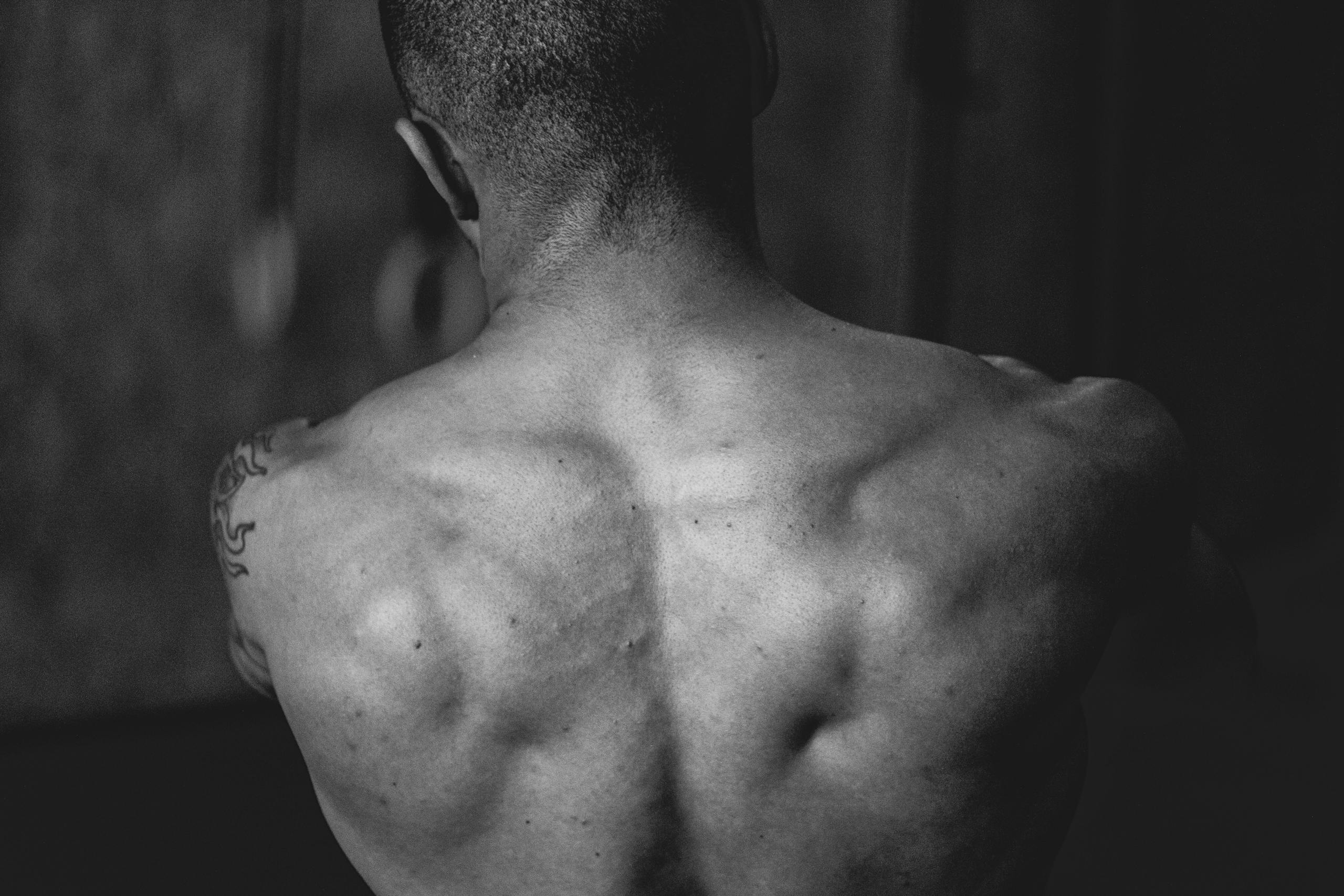
The first strange thing the body can do after death is become loose.
That surprises people because most crime shows talk about stiffness. But before rigor mortis sets in, muscles often go through a period of relaxation. The body loses voluntary movement, breathing and circulation stop, and the nervous system no longer controls the muscles as it did during life.
This early looseness can affect the face, limbs, jaw, and other muscles. It can also lead to subtle changes in posture, expression, and how the body rests. To the untrained eye, that may look unsettling, especially because people expect death to freeze the body exactly as it was in the last moment.
The process is biological. After death, immediate changes include loss of movement and function, followed by a period of primary muscle relaxation. Later, as chemical energy inside muscle cells runs down, stiffness begins.
That is the first lesson death teaches the body. It does not change all at once. It changes in stages, and some of those stages can look strangely alive to someone unfamiliar with the science.
Your body can stiffen, as if it is locking itself in place.
Rigor mortis is one of the most famous postmortem changes, and for good reason.
It looks dramatic. A relaxed body begins to stiffen as muscles lose the energy needed to remain relaxed. During life, muscle movement depends on chemical energy. After death, that energy supply fades, calcium shifts inside muscle cells, and the proteins involved in contraction can remain locked together.
That stiffening does not usually happen instantly across the whole body. It develops over time, often beginning in smaller muscles before spreading to larger ones. This is why forensic professionals pay attention to stiffness: it can help them estimate the time since death, though it is never a perfect clock.
The chemical explanation is blunt but fascinating. Rigor mortis occurs when ATP levels fall below critical levels, rendering muscles unable to relax, and is described as postmortem stiffening of the body.
What makes it disturbing is the visual effect. A person who could move freely in life becomes physically locked by chemistry after death. It is not will. It is not consciousness. It is the body running out of the energy that once kept movement smooth and flexible.
Your skin can change color as blood settles.
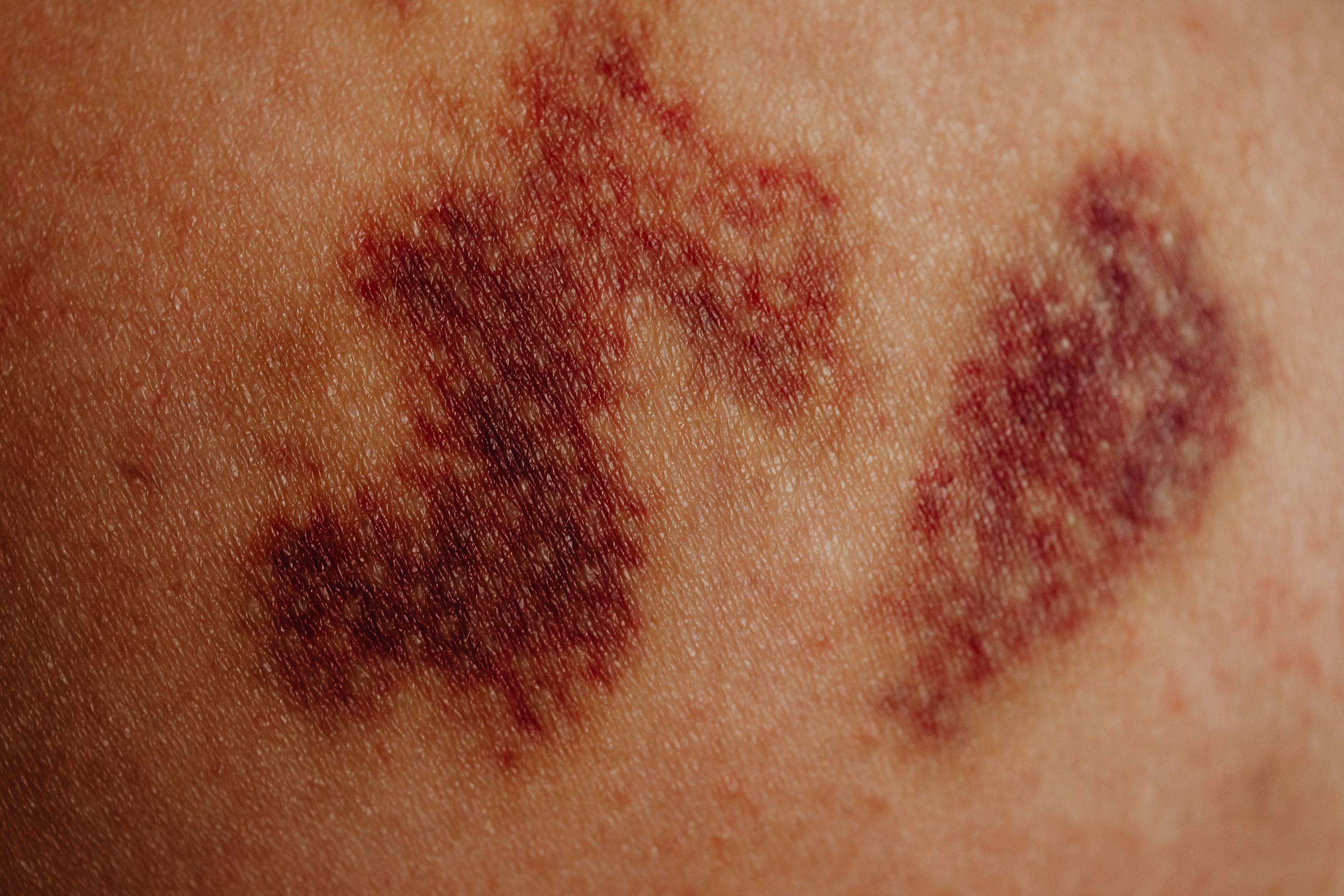
After the heart stops pumping, blood no longer circulates through the body. Gravity takes over.
Blood begins to settle in the lower parts of the body, depending on the body’s position. This can create purplish, reddish, or bluish discoloration in areas where blood collects. The change is called livor mortis, or postmortem lividity, and it can be one of the most visible signs that the body has started changing after death.
This process can look alarming because it may make skin appear bruised or stained. In forensic settings, however, it can provide important clues. The pattern of lividity may help indicate how the body was positioned after death or whether it was moved during the early postmortem period.
The science is straightforward. Lividity happens because blood pools after circulation stops, creating gravity-dependent skin discoloration that can help experts interpret postmortem changes.
To families, the color change can feel shocking. To forensic professionals, it is part of the body’s silent record. Death may stop the pulse, but gravity keeps writing on the skin.
Your body can cool like the room is taking it back.
A living body makes heat. A dead body gradually loses its. After circulation stops, the body no longer distributes warmth the same way. Heat begins to leave the skin and enter the surrounding environment. This cooling process is called algor mortis, and it is one of the classic postmortem changes used in forensic investigation.
The pace is not the same for everybody. Room temperature, clothing, body size, humidity, air movement, water exposure, and the surface beneath the body can all affect cooling. A body in a cold room may cool faster than one in a warm bed under blankets. This is why temperature is useful but never simple.
Forensic descriptions explain that after circulation stops, the body begins to lose heat, a process known as algor mortis. The idea sounds clinical, but emotionally, it is one of the starkest signs of death.
Warmth is one of the things people associate with life. When warmth leaves, it can feel as if the surrounding world is slowly reclaiming the body.
Your body can make sounds that seem impossible.
This is the detail people hate and remember. A body can sometimes seem to make sounds after death.
That does not mean the person is alive or trying to speak. It can happen when air moves through the throat, lungs, or vocal structures due to movement, compression, or internal changes. Later in decomposition, gases can build up inside the body, and pressure can shift through tissues and passages.
To someone who is not prepared, a sound from a dead body can feel terrifying. It can sound like a groan, a sigh, or a release of air. In reality, it is a physical process, not a voice, thought, or message.
The reason is connected to decomposition. Bacteria can produce gases as they break down tissues, and the buildup of gas can create pressure inside the body. Decomposition research describes how bacteria produce gases, including hydrogen sulfide and methane, which can contribute to bloating and pressure.
That does not make the experience less creepy. It only makes it explainable. The body has stopped living, but physics has not stopped working.
Your body can swell as gas builds up inside.
One of the more disturbing postmortem changes is bloating. After death, the immune system no longer keeps bacteria in check. Bacteria already present in the body, especially in the gut, begin breaking down tissues. As they multiply and digest, they release gases. Those gases can collect in body cavities, causing swelling.
This is part of putrefaction, a natural stage of decomposition. It is not instant, and the timing depends heavily on temperature, environment, clothing, injuries, moisture, and other conditions. Warm, humid conditions can speed changes, while cold storage can slow them.
The process begins inside. During decomposition, bacteria begin digesting internal tissues and can build up gas pressure, which may inflate the body as decay progresses.
That sounds grotesque, but it is also biology returning the body to simpler materials. The body is no longer defending itself. Microorganisms that were once controlled now become part of the breakdown process.
It is disturbing because the body seems to be changing on its own. It is natural because, in a biological sense, that is exactly what decomposition is.
Your body can leak fluids as decomposition advances.
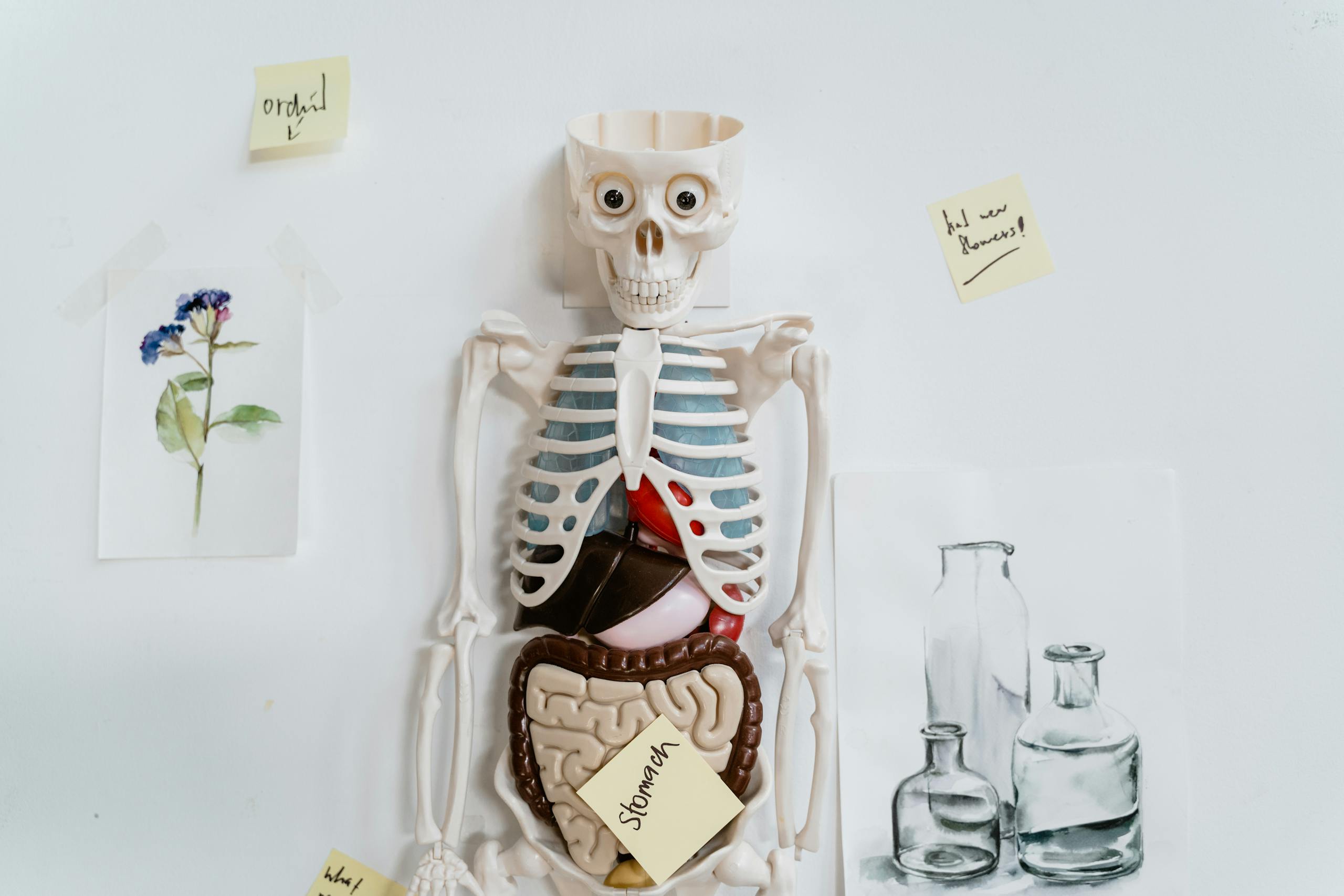
This one is uncomfortable, but it is part of the science. As tissues break down and gases build pressure inside the body, fluids can move. In forensic language, this can include postmortem purging, where decomposition fluids may be forced from body openings.
It can look shocking, but it is not bleeding in the living sense. There is no heartbeat pushing blood. There is no injury occurring the way it would in life.
The process is linked to tissue breakdown, internal pressure, and the movement of decompositional fluids. It is one reason professionals who handle the dead are trained carefully and treat bodies with both caution and respect.
Forensic descriptions note that during active decay, putrefactive fluids can be expelled through a process called postmortem purging. That phrase sounds cold, but the reality can be emotionally difficult for families if they encounter it without context.
The important point is that these changes are not signs of pain or awareness. They are signs that the body’s physical systems are breaking down after death.
Your body can appear to move long after death.
This is the fact that feels most like a ghost story. A body can appear to move after death.
Not in the Hollywood sense. Not sitting up in a coffin. Not anything conscious or supernatural. But as decomposition changes tissues, joints, moisture, skin tension, insects, and surrounding conditions, parts of a body can shift over time. The effect can be subtle, but in forensic science, even subtle movement matters.
Researchers have used time-lapse imaging to study postmortem movement, and the findings show that body position can change during decomposition. One study found movement in all donor limbs and concluded that postmortem movement can be quantified using time-lapse imagery.
That matters in investigations because body position can affect how a death scene is interpreted. A hand, arm, leg, or body angle may not stay exactly as it was at the moment of death. Decomposition can alter the final picture.
This is one of the creepiest truths about death because it challenges the idea that the body becomes perfectly still forever. The person is gone. The body is not alive. But physical change can continue for a long time.
Conclusion.

Death may end consciousness, breathing, circulation, and awareness, but it does not stop the body from changing.
Muscles relax, then stiffen. Blood settles. Skin changes color. Heat leaves. Bacteria multiply. Gases build. Fluids move. Limbs may shift over time. None of it means the person is still alive, suffering, or aware. It means the body has entered the strange biological process that begins after life ends.
That is why the things your body can still do after death are so unsettling. They sit at the border between the person people loved and the physical body science must explain.
The truth is both creepy and oddly humbling. The body does not vanish from biology the moment the heart stops. It keeps changing, responding to gravity, chemistry, temperature, microbes, and time. Death may be the final event of life, but for the body, it is also the beginning of a very strange transformation.