10 Reasons Beef Prices Are Destroying American Grocery Budgets
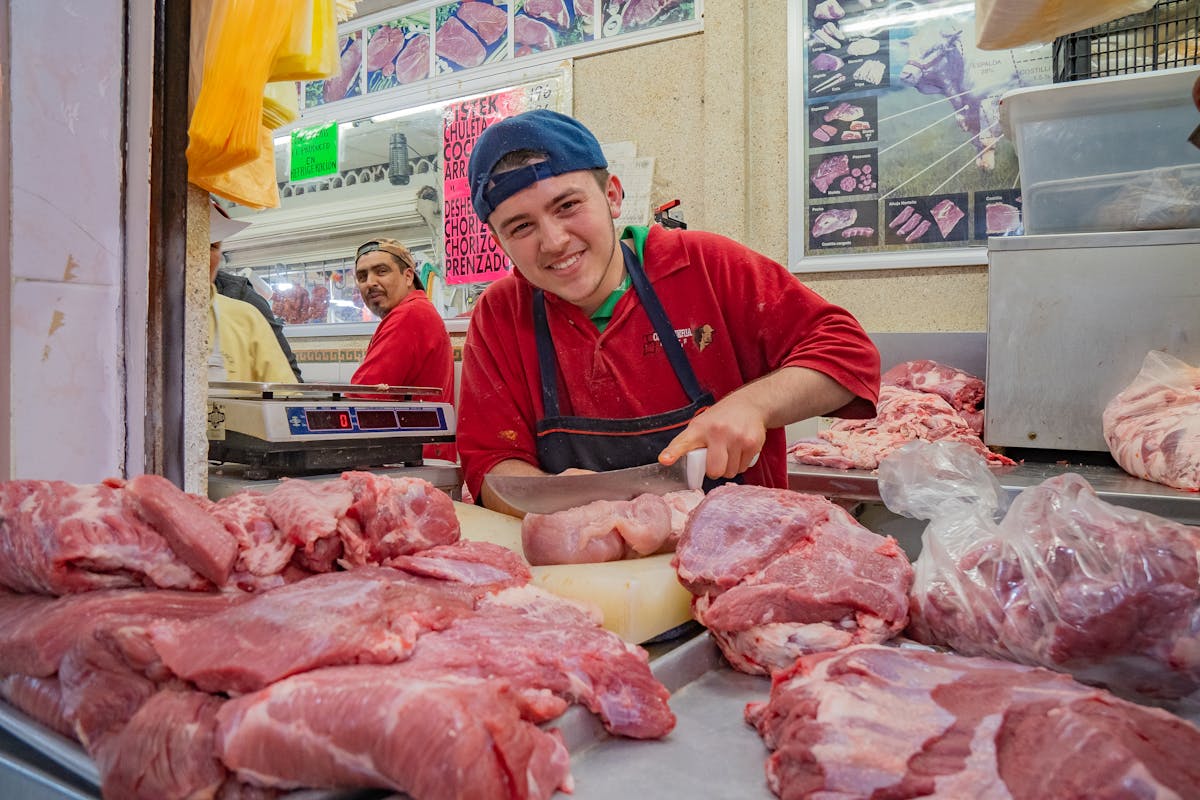
You’d think a country producing some of the world’s largest beef supplies would make meat cheap. Guess again. Steaks, roasts, and ground beef are climbing higher than ever, hitting families where it hurts. From shrinking herds to droughts, supply chain chaos, and Americans’ relentless appetite, multiple forces are keeping beef pricey. Here’s what’s driving the shock at checkout and why there’s no quick relief in sight.
Herds Are Smaller Than You Think
Even though the U.S. produces massive amounts of beef, the actual number of cattle has fallen. Fewer cows mean fewer packages on grocery shelves, which drives prices up across the board. Production capacity doesn’t equal affordability. When supply is tight and demand stays strong, shoppers end up paying more for the same cuts. Scarcity at the source directly hits families’ wallets.
Drought Makes Meat More Expensive

Dry pastures and water shortages quietly hike ranchers’ costs. Feed, irrigation, and veterinary expenses are climbing, and some producers are shrinking their herds to protect themselves. Those higher costs are passed straight through to grocery prices. Weather isn’t just an inconvenience; it’s an invisible surcharge baked into every steak, burger, and roast on the shelf.
Cattle Replacement Is Slow
Ranchers can’t speed up biology. Breeding, gestation, raising calves, and finishing them for market takes months or even years. Choosing to hold cows for rebuilding herds reduces the immediate supply. That lag keeps prices high, forcing consumers to pay more while waiting for relief that won’t come quickly. Patience becomes pricey when the dinner table is at stake.
Americans Refuse to Quit Beef

Burgers, tacos, steak nights, and chili remain dinner staples. Even with rising costs, people keep buying beef. Strong demand gives retailers less incentive to discount. Emotional attachment to traditional meals gives the beef market power, letting prices stay stubbornly high. Loyalty at the table is good for cravings, but brutal for the budget.
Chicken and Pork Can’t Fully Replace It
Substitutes exist, but they don’t satisfy every recipe. Chicken, pork, and plant-based options can’t mimic the flavor, texture, or tradition of beef. Families feel the pinch where it matters most: the steaks, roasts, and ground beef they actually want. Overall protein abundance doesn’t fix a shortage of the specific meat Americans crave most.
Supply Chain Costs Stack Up
Beef isn’t just about the cow. Processing, trucking, refrigeration, packaging, labor, and retail margins all inflate the final price. Rising cattle prices ripple through every stage of the supply chain. That means your steak reflects the cost of the entire industrial journey. Every burger, roast, or brisket carries hidden expenses beyond the farm.
Local Prices Hit Harder
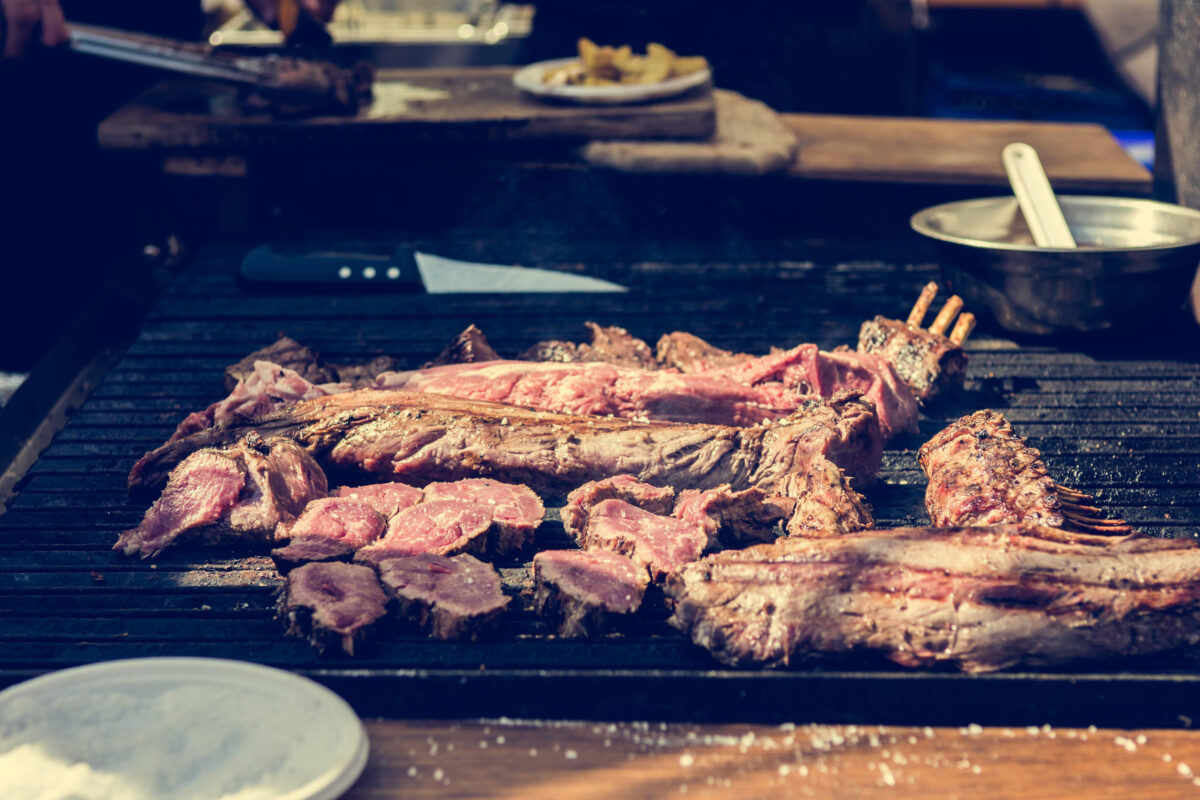
Prices vary depending on freight, local processing, supermarket competition, and neighborhood demand. Some areas pay far more than others for the same cuts. National averages hide these frustrations, but at your local butcher or grocery store, beef inflation feels personal. Geography quietly becomes another ingredient in the final price you pay.
Imports Offer Limited Help
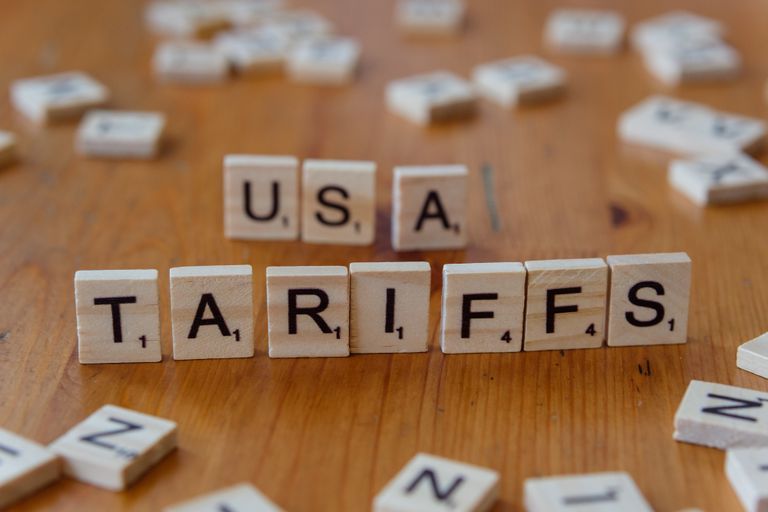
Bringing in beef from abroad can ease some pressure, but it’s not a magic fix. Inspections, tariffs, shipping limits, and blending requirements prevent imports from fully replacing premium U.S. cuts. Global supply only slightly eases the crunch, leaving domestic shoppers still paying top dollar for the meat they prefer.
Restaurants Reveal the Crisis
Beef prices hit home quickly at steakhouses, burger joints, and barbecue spots. Rising wholesale costs mean higher menu prices, smaller portions, or squeezed profits. Dining out makes beef inflation tangible, showing Americans that the grocery problem extends beyond home cooking. The crisis becomes visible on plates, not just receipts.
Relief Won’t Come Overnight
Even with high prices, rebuilding herds is risky. Drought, feed costs, land prices, and disease create caution among producers. Until ranchers feel confident about expanding herds, supply will stay tight. Affordable beef depends on slow, patient herd recovery. Until then, shoppers must brace for expensive beef at every store and restaurant.
Beef prices are high because multiple pressures hit simultaneously: shrinking herds, drought, supply chain costs, strong demand, and the slow pace of rebuilding. Until these factors ease, Americans will keep paying more for steaks, burgers, and roasts, no shortcuts, no magic fixes, just patience and deep wallets.