Bernie Sanders and AOC Rally Behind Abdul El-Sayed in Michigan Senate Race as Democrats Battle Over Their Future
Michigan’s Democratic Senate primary has become much bigger than a contest between two candidates. It has turned into a national argument over where the Democratic Party should go next, with progressive leaders Bernie Sanders and Alexandria Ocasio-Cortez throwing their support behind Abdul El-Sayed in a race against Rep. Haley Stevens.
The showdown has attracted attention because it places two different Democratic strategies against each other. El-Sayed represents the party’s progressive wing, running on ideas such as universal health care, campaign finance reform, and a stronger focus on economic inequality. Stevens represents a more traditional Democratic approach centered on legislative experience, manufacturing, and winning support in a competitive swing state.

The August 4 primary has become one of the most closely watched Democratic contests of the 2026 election cycle. The winner will compete for an open Senate seat after Sen. Gary Peters decided not to seek reelection, making the race important for Democrats hoping to maintain control of the chamber.
Sanders and Ocasio-Cortez Put Their Weight Behind El-Sayed
Bernie Sanders and Alexandria Ocasio-Cortez have become two of the most recognizable voices in the progressive movement, and their decision to campaign for Abdul El-Sayed signals the importance they place on the Michigan race. Ocasio-Cortez endorsed El-Sayed in early July, marking one of her most significant Senate primary endorsements of the cycle.
El-Sayed, a former Detroit health official and public health advocate, has built his campaign around the argument that Democrats need a stronger message focused on working families. His supporters say he represents a new generation of leadership willing to challenge powerful interests and push for major changes in health care and economic policy.
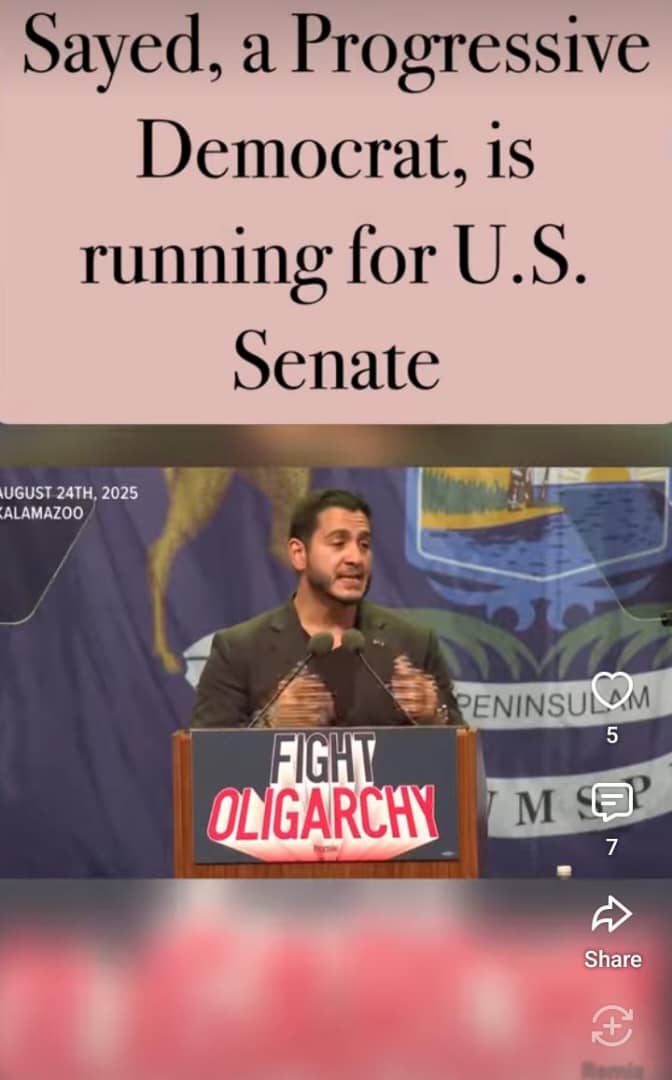
Sanders has repeatedly argued that Democrats must connect with voters who feel ignored by the political system. His support for El-Sayed reflects a long-running message from the Vermont senator that the party should focus more heavily on issues such as wages, health care costs, and corporate influence.
Ocasio-Cortez has made a similar argument. In announcing her endorsement, she said El-Sayed had built a campaign focused on working people and had the ability to compete in the general election.
The endorsement battle shows how much influence progressive leaders still hold within Democratic politics. For El-Sayed’s campaign, the backing from national figures provides energy, attention, and a stronger grassroots connection. For Stevens, however, the race is about proving that a more moderate Democrat can succeed in a politically divided state.
Haley Stevens Builds Establishment Support

Haley Stevens entered the race with a different political identity. The four-term congresswoman has presented herself as a practical Democrat with deep government experience and a focus on Michigan’s economy. She has highlighted her work related to manufacturing, technology, and federal investments designed to create jobs.
Stevens has received support from several Democratic establishment figures, including Senate Minority Leader Chuck Schumer and Michigan Sen. Gary Peters. Peters, who previously stayed neutral in the contest, endorsed Stevens as the race became a major test for the party’s future direction.
Supporters of Stevens argue that Michigan requires a candidate who can appeal to a broad coalition of voters, including independents and moderate Democrats. They point to her experience representing a competitive district and her record of working on issues important to the state’s industrial economy.
The race has also highlighted disagreements over campaign strategy. Stevens has criticized El-Sayed’s approach as too far to the left for a battleground state, while El-Sayed has argued that Democrats need bold ideas rather than a return to traditional politics.
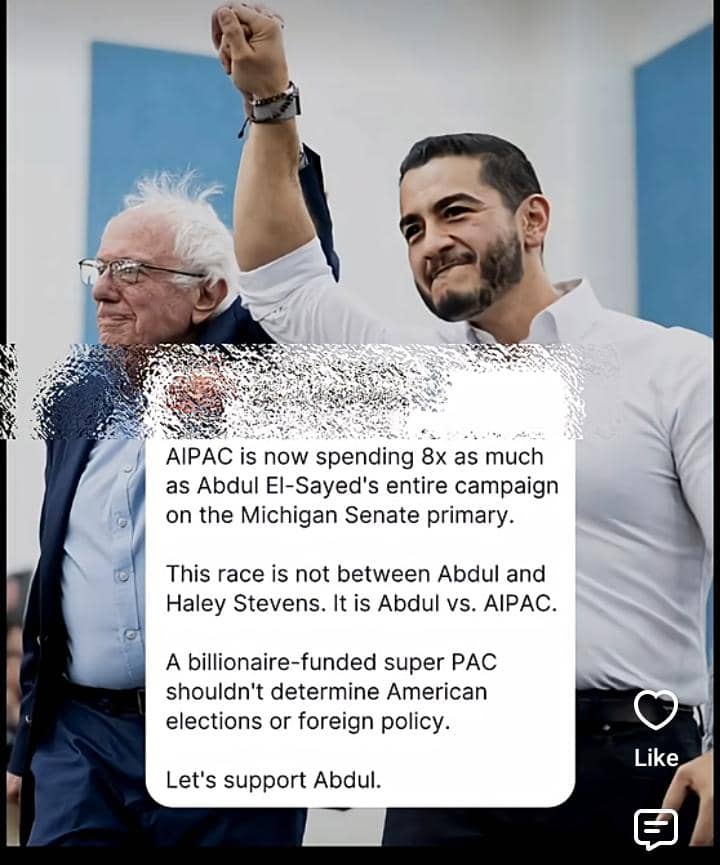
Money has become another major factor. Outside groups supporting Stevens have significantly outspent El-Sayed’s allies in television advertising, creating a financial contrast that has become part of the campaign debate. El-Sayed’s campaign has criticized the influence of outside spending, arguing that elections should not be controlled by wealthy donors and political organizations.
A Michigan Primary That Could Shape the Democratic Party Debate
The fight between El-Sayed and Stevens reflects a larger question facing Democrats nationwide: Should the party move further toward progressive policies, or should it focus on a broader middle-ground approach designed to win competitive elections?
Michigan provides a unique test because it is both a major industrial state and a political battleground. Democrats need strong support from urban voters and younger progressives, but they also need to maintain support among working-class voters who have become increasingly unpredictable in recent elections.
El-Sayed’s supporters believe his progressive platform can energize voters who feel disconnected from politics. They argue that issues such as health care costs, housing affordability, and economic inequality are motivating concerns that can bring new voters into the Democratic coalition.
Stevens’ supporters believe elections are won by building wide alliances and delivering measurable results. They argue that experience and a record of legislative accomplishments matter, especially in a state where economic issues often dominate political conversations.
The Democratic nominee will likely face Republican former Rep. Mike Rogers in the general election, making the primary outcome especially important. National political observers are watching closely because the result could reveal how Democratic voters are thinking about the party’s identity heading into the next election cycle.
Regardless of who wins, the Michigan Senate primary has already exposed a major debate inside the Democratic Party. The question is no longer simply about one Senate seat. It is about what kind of message Democrats believe can win voters in a changing political landscape.