7 Foods You Should Think Twice About Buying in Bulk
There’s something satisfying about walking out of the grocery store with a jumbo package that seems like a great deal. More food, fewer shopping trips, and hopefully less money spent in the long run. What’s not to love?
Well, that bargain can become less appealing when you’re struggling to finish everything before its quality declines. Some foods need refrigeration, others gradually lose flavor, and a few simply don’t suit households that use them occasionally.
Before reaching for the biggest package on the shelf, here are seven foods worth thinking twice about buying in bulk.
Fresh Strawberries
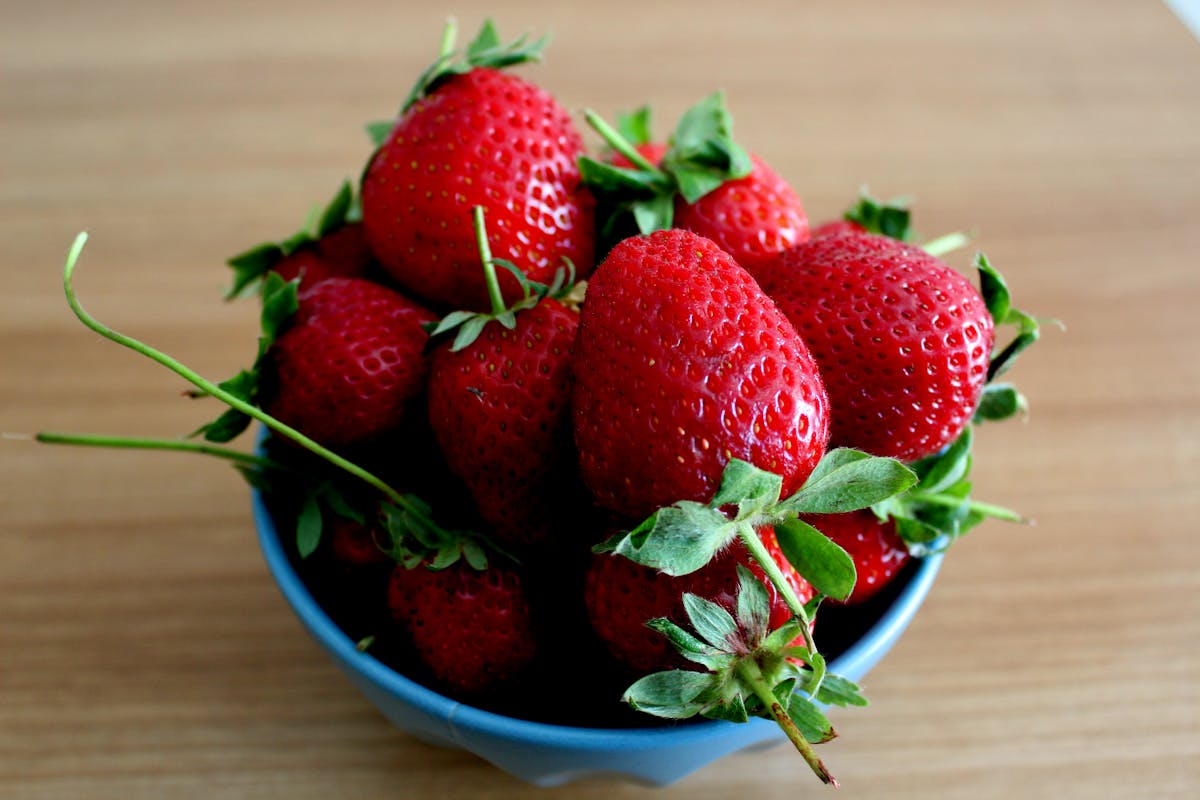
That enormous container of bright red strawberries looks irresistible, especially when you have plenty of ideas for using them. But fresh strawberries aren’t exactly a grocery item you can forget about for a week.
According to the University of Nebraska–Lincoln, strawberries generally have a refrigerator storage period of two to three days. That means a large purchase requires some planning.
If your household regularly eats strawberries, buying more can make sense. However, if you’re purchasing them without a specific plan, consider a smaller container.
Another option is freezing the extras. North Dakota State University Extension provides instructions for freezing strawberries at home.
The takeaway? Buy the quantity you can realistically use, or have your freezer ready for the surplus.
Whole-Wheat Flour
Buying a giant bag of flour sounds sensible when you enjoy baking. After all, flour is a pantry staple, so why not keep plenty around? The answer depends partly on the type of flour you’re buying.
Whole-wheat flour contains natural oils that can become rancid relatively quickly when stored at room temperature. Penn State Extension recommends refrigerating whole-wheat flour throughout the year and keeping flour in airtight containers.
That creates a practical problem for occasional bakers. A large bag needs storage space, and your refrigerator may already be crowded.
If you’re baking regularly and have suitable storage, buying in bulk can work beautifully. Otherwise, purchasing smaller quantities may be more convenient than finding room for flour you rarely use.
Related: Ignoring These 8 Hydrating Foods Could Be Damaging Your Health
Brown Rice
Rice seems like an obvious bulk purchase. It’s versatile, familiar, and easy to incorporate into everyday meals. However, not every variety has the same storage characteristics.
Brown rice contains oils in its bran layer that limit how long it maintains its quality. According to the USA Rice Federation, approximately six months is a general storage reference for brown rice. Refrigeration or freezing can help extend its storage life.
That doesn’t mean brown rice automatically becomes unusable after six months. It means storage deserves attention before purchasing an oversized bag.
If brown rice appears on your dinner table frequently, a larger quantity might be perfectly reasonable. But if you cook it only occasionally, consider how much you’ll actually use and whether you have space to store the extra rice properly.
Shelled Walnuts
A large bag of shelled walnuts can look like a convenient purchase, particularly for households that enjoy baking. However, walnuts need more storage consideration than simply placing an opened bag on a pantry shelf.
California Walnuts recommends refrigerating walnuts intended for immediate use and freezing them when storing them for a month or longer. Opened packages and bulk quantities should also be kept in airtight containers.
There’s another detail worth remembering: walnuts can absorb odors from surrounding foods.
If you regularly use walnuts and have adequate freezer space, a larger bag may be practical. For occasional baking, though, buying a smaller amount can eliminate the challenge of storing a bulky package while preserving its quality.
Ground Spices and Dried Herbs
That enormous container of ground cinnamon or dried oregano might look like a smart kitchen investment.
But there’s a difference between having plenty of seasoning and having seasoning that still delivers the flavor you’re expecting.
Ground spices and dried herbs gradually lose their characteristic aroma during storage, particularly when exposed to heat, sunlight, and moisture.
Penn State Extension recommends checking ground spices and herbs after six months and replacing them when their aroma has faded. This isn’t a strict expiration date. It’s guidance for maintaining flavor.
If you’re constantly reaching for a particular seasoning, buying a large container can make sense.
For spices used only occasionally, smaller containers may be a better choice. Store them tightly closed in a dry location away from the stove.
Related: 8 Dangerous Foods Quietly Contaminated With Lead
Roasted Coffee, Especially Pre-Ground Coffee
For coffee lovers, a massive bag of their favorite roast can be difficult to resist. But coffee is another product where quantity and quality don’t always work together.
The National Coffee Association explains that coffee begins losing freshness almost immediately after roasting. For better flavor, it recommends purchasing smaller amounts, generally enough for approximately one or two weeks.
Air, moisture, heat, and light can all affect roasted coffee’s flavor. That makes oversized bags worth reconsidering, especially when buying pre-ground coffee that may sit around for an extended period.
If you drink coffee frequently, a bigger bag may still make sense. Otherwise, consider smaller purchases, airtight opaque containers, and grinding whole beans shortly before brewing.
Buying enough to maintain freshness can be more satisfying than having an enormous supply that gradually loses its appeal.
Bottled Vegetable Cooking Oil
A giant bottle of cooking oil can seem like an obvious purchase for a busy kitchen. But how quickly do you actually finish a bottle? Cooking frequency matters because vegetable oil doesn’t maintain its quality indefinitely after opening.
Penn State Extension provides a general storage range of one to six months for opened vegetable oil kept in a cool, dark location. The exact period varies, and that guidance shouldn’t be treated as a universal deadline for every cooking oil.
Over time, oil can become rancid and develop unpleasant smells or flavors.
For households that cook frequently, a large bottle may be entirely practical. However, if you use vegetable oil sparingly, a smaller bottle may better match your needs. Consider your cooking habits, storage conditions, and the product’s instructions before choosing the largest size.
Buying groceries in bulk isn’t automatically a mistake. The trick is knowing which purchases fit your household.
Before choosing the biggest package, consider how often you use the ingredient, how you’ll store it, and whether you can maintain its quality.
A genuine grocery bargain isn’t simply about bringing home more food. It’s about buying an amount you’ll actually enjoy using.