The 10 Most Dangerous Countries for LGBTQ+ People
The global landscape for LGBTQ+ rights is incredibly diverse, with some countries enacting progressive laws while others enforce draconian measures that lead to widespread violence and discrimination.
While certain nations may offer legal protections for LGBTQ+ individuals, cultural and societal norms often breed hostility, making life unbearable for many queer people.
In this article, we will examine the most dangerous countries for LGBTQ+ individuals, exploring both the legal and societal barriers that perpetuate violence and discrimination.
Uganda
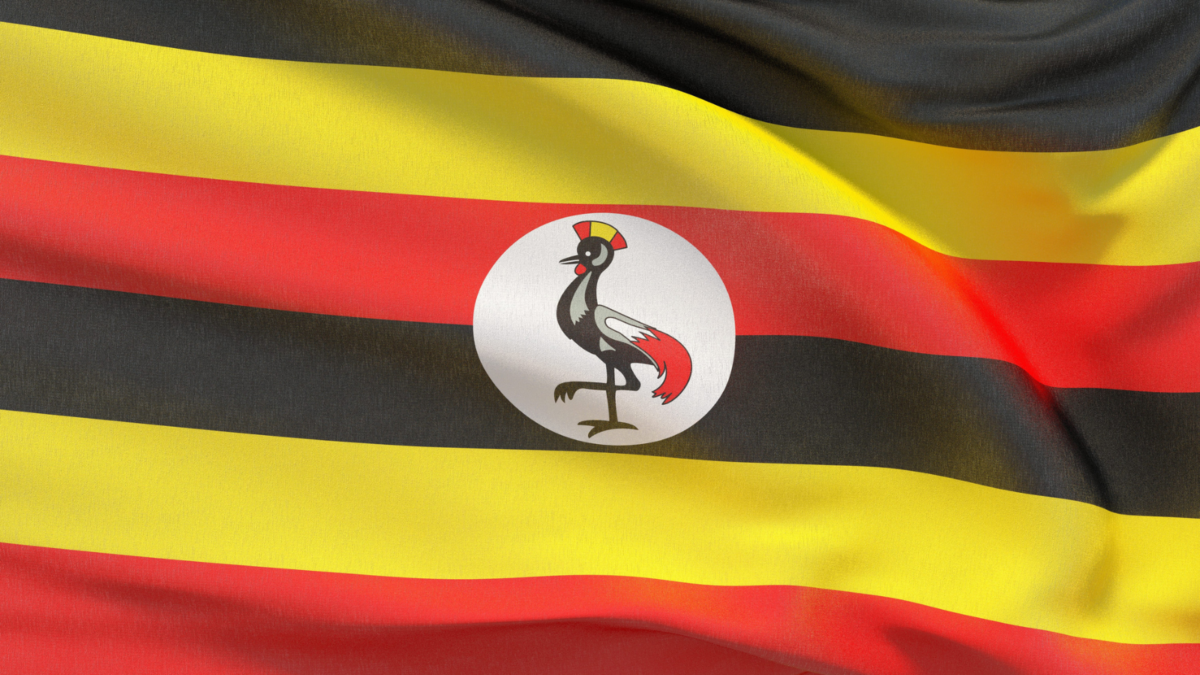
Uganda has become notorious for its deeply entrenched anti-LGBTQ+ laws. While homosexuality is illegal, the government’s crackdown on queer people extends far beyond the law. Reports of brutal police raids, torture, and public shaming are common.
Uganda’s “Anti-Homosexuality Bill,” which seeks to impose harsh penalties on anyone found guilty of engaging in same-sex relationships, has escalated violence. The law emboldens public hostility, and LGBTQ+ activists are regularly attacked.
This oppressive environment has led to the displacement of countless queer people in search of safety.
Saudi Arabia
Saudi Arabia’s legal framework is based on a strict interpretation of Sharia law, which criminalizes homosexuality with the death penalty as the ultimate punishment. Public expressions of same-sex attraction or behavior can result in arrest, imprisonment, or execution.
While executions are rare, the pervasive societal rejection of LGBTQ+ individuals makes life dangerous for queer people. Torture and violence against those suspected of being LGBTQ+ are common, and individuals live in constant fear of being exposed or arrested.
Iran
Iran is infamous for its brutal stance on LGBTQ+ rights. Homosexuality is considered a capital offense, punishable by execution. Despite this, reports of LGBTQ+ individuals facing imprisonment, torture, and forced conversion therapies are rampant.
The government’s policies have led to a culture of violence, where LGBTQ+ people are often ostracized and attacked by both law enforcement and society.
Many LGBTQ+ individuals seek asylum abroad, fearing for their lives in a country where they can be killed for simply loving someone of the same sex.
Chechnya (Russia)
In Chechnya, a region in Russia, LGBTQ+ individuals face unimaginable violence. The Chechen government has denied the existence of homosexuality and has conducted “gay purges” since 2017.
These purges involve arbitrary detentions, torture, and murders of suspected gay men. Human rights organizations have reported that Chechen authorities have turned a blind eye to these atrocities. Many LGBTQ+ people have been forced into hiding or have fled the country to survive.
Nigeria
Nigeria’s anti-gay laws are among the harshest in Africa. The “Same-Sex Marriage (Prohibition) Act,” signed into law in 2014, not only criminalizes same-sex relationships but also makes it illegal for LGBTQ+ individuals to form associations or even publicize their sexual orientation.
This law has led to widespread violence, with LGBTQ+ individuals being harassed, assaulted, and even killed. The legal climate has encouraged police brutality, where LGBTQ+ people are often tortured for confessions. LGBTQ+ Nigerians live in constant fear of being outed, attacked, or arrested.
Egypt

In Egypt, homosexuality is not explicitly illegal, but authorities routinely arrest and imprison LGBTQ+ individuals under various laws, including those prohibiting “debauchery” and “immorality.” Public displays of affection, such as same-sex couples holding hands, can lead to arrest.
LGBTQ+ individuals face extreme harassment, violence, and forced confessions under torture. The government’s crackdown on LGBTQ+ activism has forced many to flee the country to escape persecution.
Indonesia
While Indonesia does not have nationwide laws against homosexuality, certain regions, particularly Aceh, enforce Sharia law, under which same-sex acts are punishable by whipping or imprisonment.
The government has taken a hardline approach toward LGBTQ+ activism, banning pride events and censoring LGBTQ+ content. Public sentiment is increasingly hostile, with reports of violent attacks against LGBTQ+ individuals on the rise.
Activists and allies of the community face intimidation and arrest, and many queer people have been forced to leave the country to escape violence.
Turkey
Although Turkey has made significant strides in LGBTQ+ rights in the past, it has seen a disturbing trend of increasing violence and discrimination against the community in recent years.
President Erdoğan’s administration has pushed anti-LGBTQ+ rhetoric, banning pride events and labeling LGBTQ+ individuals as “deviants.” Police often turn a blind eye to attacks on LGBTQ+ individuals, and queer people face harassment from both the state and society.
While Turkey has legal protections in place, the cultural climate is hostile, with LGBTQ+ individuals regularly facing violence.
Malaysia
Homosexuality is criminalized in Malaysia, where individuals can face imprisonment, flogging, or even the death penalty under Sharia law in certain regions.
The country’s harsh anti-gay laws, combined with deep-seated societal prejudices, create an environment where LGBTQ+ individuals are subjected to violent repression. Reports of “conversion therapy,” arrests, and public shaming are common.
LGBTQ+ activists face significant threats, and those outed face physical and emotional abuse from both family members and the state.
Pakistan
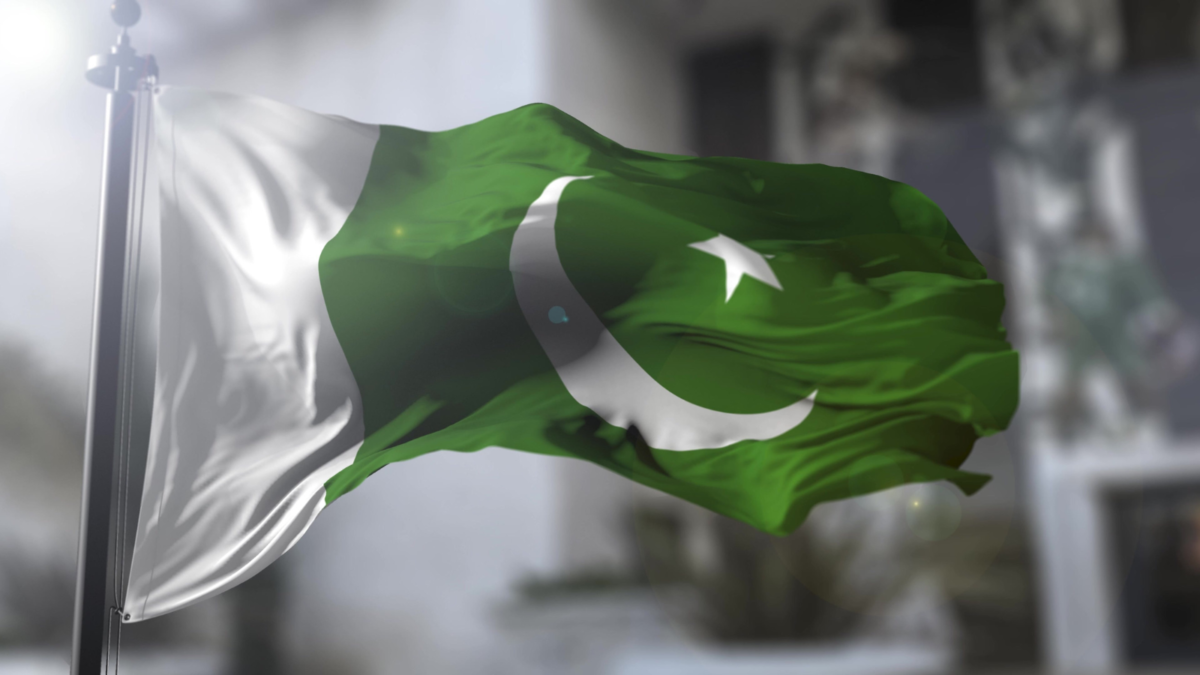
While Pakistan’s penal code does not specifically criminalize homosexuality, it enforces harsh punishment for same-sex sexual acts under Sharia law.
The country has seen a rise in “honor killings” and violence against LGBTQ+ individuals, particularly transgender people, who face brutal discrimination and abuse.
Transgender individuals, in particular, are targeted for violence, including forced marriage and sexual assault, and are often marginalized by their own families and communities. Despite some legal protections for transgender people, the situation remains dire, with few avenues for justice or safety.
The Persistent Threat of LGBTQ+ Violence
Even in countries that have legal protections for LGBTQ+ people, the violence and hostility faced by the community are often perpetuated by societal attitudes. LGBTQ+ people are not only persecuted by their governments but also by their fellow citizens.
Public hostility can lead to widespread violence, harassment, and discrimination, making even the most progressive laws ineffective in protecting the rights of queer people.
Key Takeaways
- Legal frameworks are not always effective: Despite some countries having legal protections for LGBTQ+ individuals, societal hostility can still make life dangerous for queer people.
- Cultural norms can breed violence: Societal rejection of LGBTQ+ people is often the root cause of violence, as seen in many countries where anti-gay sentiment is prevalent.
- The need for international solidarity: Efforts to protect LGBTQ+ individuals must include both legal reforms and cultural shifts to ensure their safety and dignity worldwide.