7 Signs War Anxiety is Quietly Destroying Your Mental Health Without You Even Knowing
War can feel distant, until it starts showing up in your body, your mood, and the way you move through everyday life. You scroll past yet another alarming headline. You hear conversations about global tensions on the train, at work, during school pickup, or around the dinner table.
Even if life in cities like New York, London, Manchester, or elsewhere appears normal on the surface, many people are quietly feeling unsettled. That’s the subtle impact of war-related anxiety. It doesn’t always present as panic.
Instead, it can show up as disrupted sleep, shorter patience, mental fog, or an urge to constantly check the news. For many, this stress builds quietly and goes unrecognized, making its impact more significant than they may realize.
Your Mind Keeps Running in the Background

One of the most hidden signs of war anxiety is the feeling that your mind never fully switches off. You may be working, cooking, commuting, or watching TV, but a part of you keeps drifting back to the same uneasy thought: what happens next?
This kind of background worry can make normal life feel heavier. A simple news alert can pull your attention away from the moment, even when nothing has changed in your own street or home. You may still laugh, meet deadlines, and answer messages, but underneath it all, there is a low hum of uncertainty. That quiet tension can follow you through the day without making a loud entrance.
Focus Starts Slipping at the Worst Times
War anxiety can make it harder to concentrate, especially when the news feels unpredictable. You may open your laptop, read the same sentence three times, or forget why you walked into a room. For people in busy places like New York or the UK, daily life already comes with noise, bills, traffic, work pressure, and family needs. Add global tension to that mix, and your brain may feel overloaded before the day even begins. This does not mean you are lazy or careless. It can simply mean your attention is being pulled between your real life and a larger fear you cannot control.
Sleep Becomes Lighter and More Restless
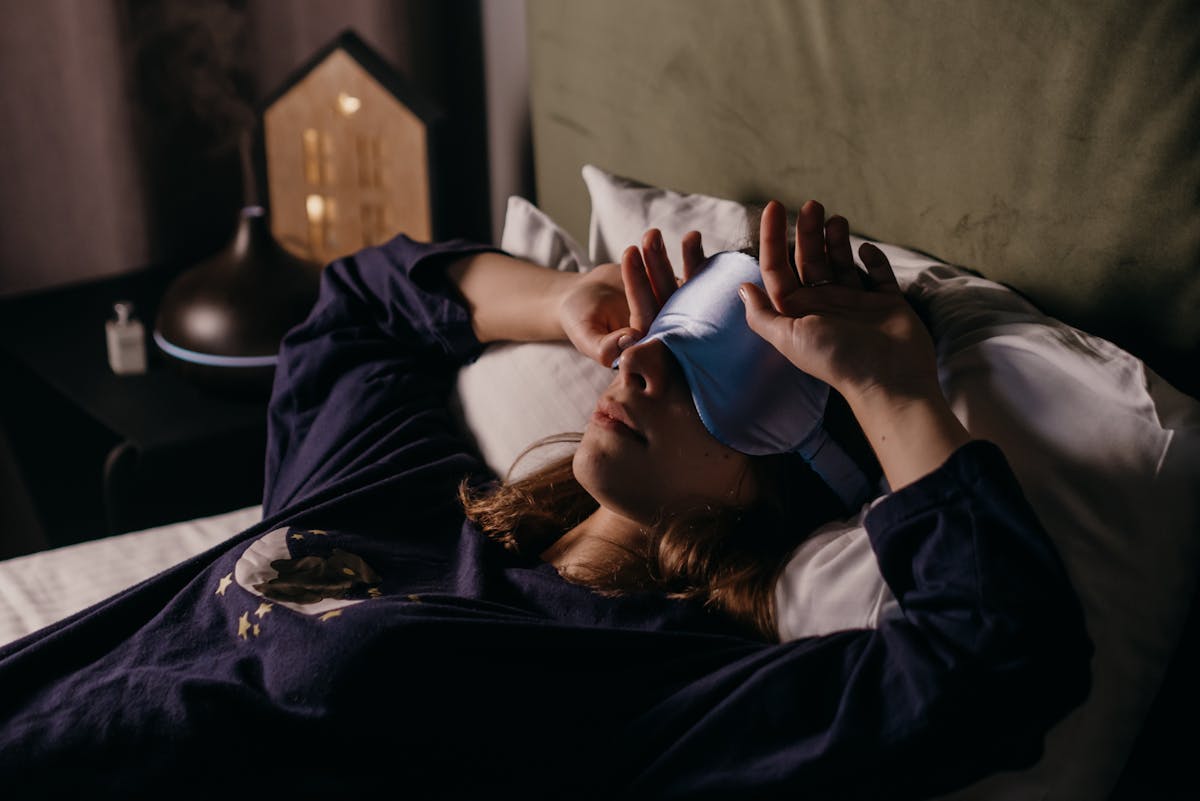
Sleep is often one of the first places stress shows up. You may feel tired all evening, then suddenly become wide awake once the room is quiet. That is when the mind starts replaying headlines, imagining worst-case scenarios, or wondering what the future could look like. Even if you do fall asleep, you may wake up feeling as if you never fully rested. War anxiety can make bedtime feel less peaceful because silence gives worry more space. The world outside may be still, but your thoughts can feel loud.
Small Things Start Annoying You More
Irritability is one of the easier signs to miss. You may snap at a partner, get angry at slow traffic, feel annoyed by small delays, or lose patience with people who are simply asking normal questions. That short temper may not really be about the coffee line, the late train, or the message you forgot to answer. It may come from emotional pressure that has been building quietly in the background. When your mind is carrying fear, uncertainty, and stress, even small problems can feel bigger than they are. War anxiety can turn ordinary frustration into a sharper reaction.
You Cannot Stop Checking the News

Some people respond to fear by checking every update. They refresh news apps, scroll social media, watch breaking coverage, and follow every rumor because it feels safer to know more. The problem is that constant checking can make the worry feel endless. Each new headline may answer one question but create three more, leaving you stuck in a loop of fear and curiosity. This habit can feel especially intense when people around you are also talking about the same issue. You may feel as if looking away means missing something important, even when the updates are only adding more stress.
The Future Starts Feeling Less Solid
One of the most unsettling effects of war anxiety is how it changes your sense of the future. Plans that once felt normal can start to feel fragile. You may think twice about travel, money, work, safety, fuel prices, or the world your children are growing into. Even ordinary goals can feel harder to enjoy when uncertainty keeps standing in the room. This emotional fatigue can leave people feeling drained before anything has happened to them personally. That is what makes it so hidden. The fear is not always about today, but about what tomorrow might bring.
You Avoid the News Completely

Other people deal with war anxiety in the opposite way. They mute words, skip broadcasts, avoid serious conversations, and change the subject when global tension comes up. Avoidance can feel like relief at first. You get a break from frightening images, heavy opinions, and endless predictions about what could happen next. Still, the worry may not disappear. It can sit quietly in the back of your mind, making you feel tense even when you are not reading or watching anything directly.
Conclusion
War anxiety does not always arrive as a dramatic breakdown. It can show up quietly in your sleep, your focus, your patience, your habits, and your view of the future. Many people in the United States may be feeling the weight of global tension without fully realizing how much it is shaping their mental health and daily life. The world can feel loud, uncertain, and difficult to ignore, even from a distance. Sometimes the clearest warning sign is simple: you are still functioning, but you no longer feel fully at ease.