Hantavirus Outbreak on Cruise Ship: Should You Be Worried?
A deadly outbreak of hantavirus aboard a luxury cruise ship has triggered alarms worldwide. With several deaths reported and dozens of passengers potentially exposed, health authorities are scrambling to trace those who could be at risk.
But how much should we really worry? While this sounds like the plot of a medical thriller, the truth is much less dramatic, at least for the general public. Let’s take a closer look at the outbreak and what you need to know.
What Happened on the Cruise Ship?

The MV Hondius cruise ship set sail for remote locations in the South Atlantic, only to become the epicenter of a hantavirus outbreak. With passengers from various countries, including the UK, South Africa, and the US, the ship was a ticking time bomb.
Within weeks, three passengers died, and several others became critically ill. The outbreak left health officials scrambling to locate everyone who might have come into contact with the virus and trace the passengers’ travel routes across multiple countries.
The cruise, which set sail from Ushuaia, Argentina, on 1 April 2026, traveled to some of the world’s most isolated areas. The virus is thought to have originated from rodents in these remote regions, with the Andes strain of hantavirus making its way onto the ship. As health authorities work around the clock to prevent a wider spread, passengers, crew, and close contacts are being monitored and isolated as a precaution.
Why is This Not Another Pandemic?
Unlike the highly contagious viruses like COVID-19, hantavirus doesn’t spread easily from person to person. This is crucial to understand: while hantavirus can be deadly, it is not a global threat. The Andes strain, responsible for the outbreak, spreads primarily through contact with infected rodents or their droppings, urine, or saliva.
While human-to-human transmission has been observed in rare cases, it generally requires close and prolonged contact. In other words, unless you’ve been sharing a cabin with someone who’s infected, the average person is not at significant risk.
While the death toll aboard the cruise ship is tragic, the virus’s ability to spread beyond the affected passengers remains low. Health authorities stress that there is no reason to panic, especially in public spaces or on your next vacation.
Why the Cruise Ship Was at High Risk
Cruise ships, despite their luxury appeal, are known for their confined living spaces. People often share cabins, dining rooms, and entertainment venues, all of which increase the likelihood of transmitting illnesses in close quarters.
This is exactly what made the MV Hondius an ideal setting for hantavirus to spread. Passengers who were directly exposed, especially those in shared spaces, face the highest risk. However, the general public does not share these close quarters, so there is no cause for alarm beyond the ship.
Additionally, passengers on the ship visited wildlife-rich regions, where they could have encountered rodents or their droppings. Such environments, combined with the ship’s social dynamics, created a perfect storm for the virus to spread. Despite this, the virus isn’t likely to extend far beyond the affected individuals, thanks to careful monitoring and isolation protocols.
The Role of Contact Tracing
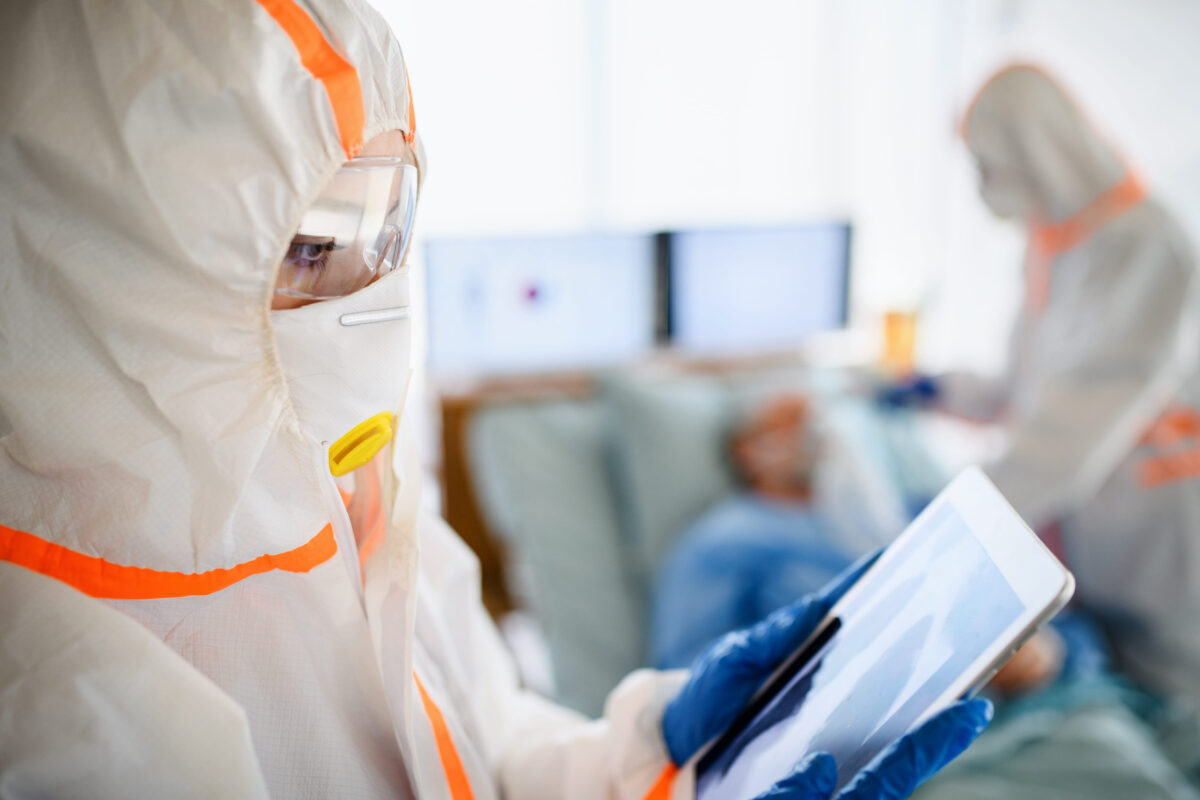
Contact tracing is a fundamental part of controlling any outbreak, and the response to this hantavirus outbreak has been swift. Health teams have been working tirelessly to trace anyone who came into contact with the affected passengers and ensure they are closely monitored.
For passengers who were directly exposed, testing and isolation are part of the protocol. However, this operation requires significant resources, as affected individuals have traveled across multiple countries, making coordination complex.
The most important takeaway here is that health authorities are on top of the situation. Passengers who have left the cruise ship and entered various healthcare systems are being closely monitored, but the risk to the broader public remains negligible.
Should You Be Concerned as a Traveler?
For the average traveler, the hantavirus outbreak should not change your travel plans, unless you have had direct exposure to the cruise ship or its passengers. Public health organizations have not issued any travel bans or restrictions related to the outbreak. Instead, the focus remains on targeted groups of people who have been in close contact with those infected.
If you are planning to visit areas where hantavirus is endemic, such as rural or wildlife-rich regions, take the usual precautions. Avoid areas known for rodent infestations, seal off cracks and holes in buildings, and practice good hygiene. While the virus doesn’t spread through casual contact, it’s always best to be cautious in environments where rodents may be present.
What are the Symptoms?
Hantavirus symptoms can be deceiving, often resembling common illnesses like the flu. Early signs of infection may include fatigue, fever, muscle aches, and headaches. If the virus progresses, more severe symptoms such as difficulty breathing, chest pain, and nausea can occur.
While these symptoms may sound concerning, it’s important to remember that they are not unique to hantavirus. Many viruses can cause similar symptoms, and the vast majority of people will not contract hantavirus.
However, if you have been exposed to infected rodents or an individual known to have the virus, seek medical attention immediately. Early treatment and supportive care, such as oxygen and fluid management, can significantly improve survival chances.
What’s Next for the Cruise Ship Passengers?
As the MV Hondius heads back to Spain’s Canary Islands, health authorities will continue to isolate any passengers or crew who have been in close contact with infected individuals. For those who are asymptomatic, a 45-day isolation period is being enforced to ensure that symptoms don’t develop. The goal is to prevent further transmission by keeping potentially infected individuals away from the public.
Passengers evacuated from the ship are being closely monitored, but no new cases have been reported so far. While the situation is being treated with the utmost seriousness, the risk to anyone outside the direct circle of exposure remains low.
Conclusion
While the hantavirus outbreak aboard the MV Hondius cruise ship is serious for those directly involved, the risk to the general public remains low. Health authorities are working to monitor and contain the situation, with a strong focus on those who have had direct exposure to the affected passengers. As always, proper hygiene and caution in rodent-infested areas are key to preventing the spread of any virus.
For most people, the best course of action is to stay informed without panicking. The world has learned valuable lessons from past outbreaks, and the response to hantavirus is a testament to the effectiveness of modern health systems in managing such crises.