Mikie Sherrill’s Voter Roll Controversy Raises Questions About Transparency, Trust and Election Oversight
A voter registration mistake rarely stays a technical issue for long when it enters the center of America’s election debate. The Mikie Sherrill voter roll controversy has quickly expanded from a New Jersey administrative problem into a national argument over election security, government accountability and political credibility.
The dispute began after New Jersey officials revealed that a software error connected to the state’s motor vehicle system had improperly registered thousands of people who had indicated they were not U.S. citizens. The disclosure arrived shortly after Gov. Mikie Sherrill criticized President Donald Trump’s claims about election integrity, creating a political storm over what she knew and when she knew it.
The controversy now involves several competing questions. Did New Jersey uncover a routine government technology failure? Did federal officials uncover a broader voter registration problem? And did political leaders respond quickly enough when concerns about the state’s voter rolls emerged?
The Timeline Behind the Mikie Sherrill Voter Roll Controversy Has Become the Main Political Battle

The most important issue in the Mikie Sherrill voter roll controversy is no longer only the registration error itself. The focus has shifted toward the timeline surrounding the governor’s public comments and her administration’s later disclosure.
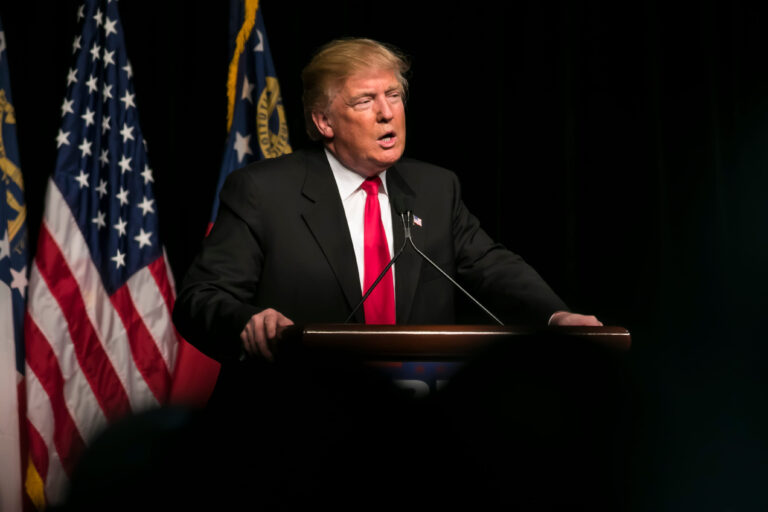
On July 16, President Donald Trump delivered a national address focused on election integrity concerns. During the speech, he argued that voter registration systems in some states needed stronger oversight and questioned whether officials were doing enough to verify voter eligibility.
Soon after that address, Sherrill joined a statement with other Democratic governors criticizing Trump’s claims. The governors argued that American elections had repeatedly been shown to be secure and accused the president of weakening confidence in democratic institutions.
The timing created immediate political tension. Critics argued that Sherrill’s statement appeared too confident because her administration later acknowledged a serious voter registration problem in New Jersey.
Assistant Attorney General Harmeet Dhillon intensified the dispute by claiming Sherrill already knew about the coming disclosure when she criticized Trump. Dhillon argued that the governor should have acknowledged concerns about voter rolls instead of dismissing Trump’s statements.
Sherrill’s supporters have rejected that accusation. They argue that her administration responded responsibly by investigating the issue, correcting registrations and informing the public about the software failure.
The central question remains unanswered: what information did Sherrill have when she made her initial comments? The answer could shape how voters interpret the controversy and determine whether the issue becomes a lasting political liability.
A Software Error Turned a Local Problem Into a National Election Debate
The original issue involved a technical failure inside New Jersey’s motor vehicle registration process. According to state officials, approximately 6,600 people were improperly registered after a system error processed information incorrectly.
The affected individuals reportedly indicated through the motor vehicle system that they were not U.S. citizens. However, the system allegedly failed to prevent those records from entering the voter registration process.
The incident highlights a growing challenge for modern governments. Election systems increasingly depend on interconnected databases, and even a small software mistake can affect thousands of records before officials discover the problem.
Government technology failures have created similar concerns in other areas, including tax records, healthcare databases and public benefit systems. Election databases receive particular attention because mistakes can directly affect public confidence in democratic processes.
New Jersey officials said they began removing affected registrations and launched an investigation into how the error happened. The state also indicated that the problem involved people across political backgrounds rather than a single party group.
That detail has become important in the debate. A government error does not automatically prove intentional misconduct, but it does raise questions about whether existing safeguards are strong enough.
The Mikie Sherrill voter roll controversy demonstrates how administrative failures can quickly become political crises when they involve elections. The public often expects voter systems to operate with a higher level of precision because the consequences affect public trust.
The Conflicting Numbers Have Added More Confusion to the Debate
One reason the Mikie Sherrill voter roll controversy has attracted national attention is the disagreement over the size of the problem. Two different numbers have dominated the discussion, and they represent different types of concerns.
New Jersey officials identified approximately 6,600 registrations linked to the motor vehicle software error. A separate federal review from the Department of Homeland Security identified up to 35,152 potential noncitizens on New Jersey voter rolls.
Those figures have become central points in the political argument, but they should not automatically be treated as identical. The 6,600 figure refers to a specific state system failure, while the larger number refers to records that federal officials believe require additional review.
The difference between a potential match and a confirmed violation is significant. Government databases often contain outdated information, name variations, and records that require additional verification before officials can determine eligibility.
At the same time, election integrity advocates argue that even potential problems deserve attention. They say voter rolls must remain accurate because even small weaknesses can damage public confidence.
Election officials generally face two competing responsibilities. They must prevent ineligible voting while also avoiding inaccurate accusations against people whose records may simply require updating.
The debate over these numbers reflects a broader national pattern. Election discussions increasingly focus not only on actual voting outcomes but also on the reliability of the systems behind those outcomes.
Sherrill Faces a Transparency Test as Critics Demand More Answers

For Sherrill, the biggest political challenge may not be explaining why the software error happened. The larger challenge involves convincing critics that her administration handled the information openly and quickly.
Transparency has become one of the defining issues in modern election debates. Voters often judge officials not only by whether a mistake occurs but also by how leaders respond once they discover a problem.
Sherrill has argued that her administration acted appropriately by investigating the failure and correcting the registrations. She has also accused political opponents of using the issue to advance broader arguments against election officials.
Her critics, however, believe the public deserves a detailed timeline. They want to know when state officials first identified the problem, when the governor’s office received information, and why the announcement came after the national political debate over election security intensified.
This dispute reflects a familiar pattern in politics. Officials often face greater scrutiny when their words before a controversy appear different from their statements after new information emerges.
Historical examples show that transparency failures can create lasting political damage. Leaders involved in crises often survive the original problem if they provide clear explanations, but uncertainty can keep controversies alive.
The Mikie Sherrill voter roll controversy is now partly about perception. Even if investigators determine the software failure was accidental, unanswered questions about communication and timing may continue to influence public opinion.
DOJ Pressure Expands the Fight Beyond New Jersey’s Voter Rolls
The voter registration dispute is also part of a larger conflict between the Justice Department and states over access to election information. Federal officials argue that reviewing voter data helps identify possible violations and protect election integrity.
Several states have resisted federal requests for voter registration records. Officials in those states have raised concerns about privacy protections and the possibility that voter information could be used for political purposes.
The disagreement reflects a deeper national debate about election authority. Should the federal government have greater power to review state election systems, or should states maintain stronger control over their own voter databases?
Supporters of federal involvement argue that elections require consistent oversight because federal offices are affected by state voting systems. They believe national standards can help identify problems before they influence elections.
Opponents argue that broad federal access could create new risks. They say election administration has traditionally been handled by states and that voter information must be protected.
The DOJ dispute has made the New Jersey situation more complicated. The Mikie Sherrill voter roll controversy is no longer only about a software mistake. It now represents a larger disagreement about who should oversee election security.
That broader conflict ensures the issue will continue to attract attention beyond New Jersey.
The Controversy Reflects America’s Larger Struggle Over Election Confidence

Election trust has become one of the most important political issues in the United States. Surveys from organizations such as Pew Research Center have consistently shown that Americans hold different levels of confidence in election systems depending on political affiliation.
That divide creates challenges for officials from both parties. Democrats often emphasize that isolated administrative mistakes should not undermine confidence in elections. Republicans frequently argue that stronger verification systems are necessary to protect public trust.
Both concerns exist at the same time. Election systems must prevent illegal voting while also maintaining fairness for eligible voters.
The New Jersey case offers a clear example of why election administration requires constant improvement. Accurate voter rolls depend on reliable technology, strong oversight, and transparent communication between government agencies.
The controversy also shows how quickly local problems can become national debates. A software error inside one state agency became part of a larger conversation about democracy, trust and government accountability.
The final impact of the Mikie Sherrill voter roll controversy will likely depend on future disclosures. If officials provide a clear explanation of the timeline, the issue may remain an administrative failure. If unanswered questions continue, it could become a deeper political challenge.
Ultimately, elections depend on more than ballots being counted. They depend on citizens believing that systems are accurate, officials are honest, and mistakes are addressed openly. The debate surrounding New Jersey’s voter rolls is therefore about more than one governor or one software problem. It is about whether public institutions can maintain trust when political pressure and public scrutiny are at their highest.