The 8 Most Disliked Foods in America
Taste is personal, but some foods consistently divide the dinner table. A 2025 YouGov survey looked at which foods U.S. adults were most likely to say they “dislike or hate,” and the results show a clear pattern: strong seafood flavors, unusual textures, and traditional dishes with distinct identities often create the biggest reactions.
The survey was conducted among 2,239 U.S. adult citizens from July 24 to 27, 2025. The rankings below are based on the percentage of respondents who selected “dislike or hate,” not “hate” alone. These results reflect personal preferences among surveyed adults, not a judgment on the quality or importance of any food.
Anchovies
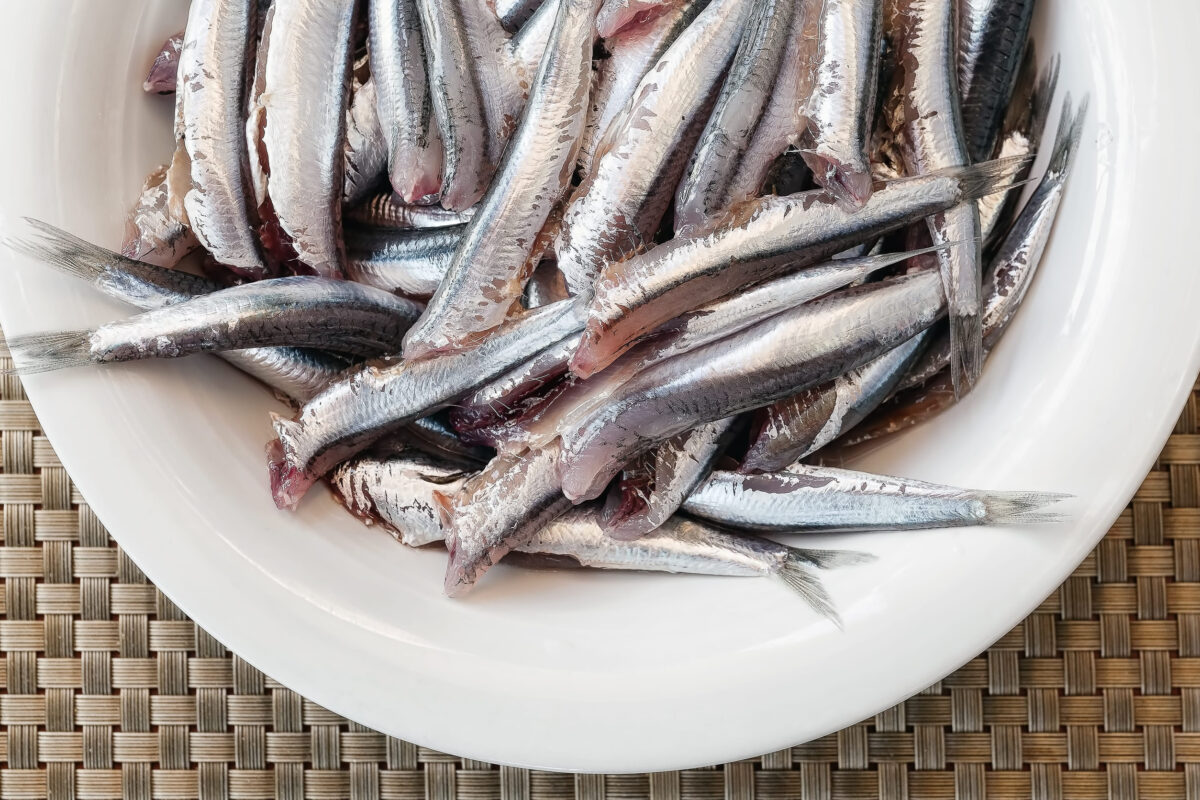
According to YouGov’s survey, anchovies ranked first when combining respondents who said they disliked or hated the food, with 56% selecting that response.
The tiny fish are known for their salty, intense flavor and are commonly used as a pizza topping or pantry ingredient. That strong taste appears to be exactly what attracts some diners and turns others away.
Anchovies may have taken the top spot in overall dislike-or-hate responses, but that does not mean they received the highest “hate” response in the survey.
Liver
Liver ranked second overall, with 54% of respondents saying they dislike or hate it. It also stood out because 40% of respondents said they hate it, the highest hate-only percentage among the foods in this list.
The dish has long been a recognizable example of organ meat in American food conversations. For some people, liver represents a traditional meal, while for others it remains one of the strongest personal dislikes.
In YouGov’s survey, liver was the food most likely to receive an outright “hate” response.
Sardines
Sardines completed the seafood-heavy top three, with 52% of respondents saying they dislike or hate them.
The canned fish is known for its strong flavor and oily texture, making it a food with a very specific audience. While sardines remain a familiar pantry item, they are clearly not a universal favorite based on the survey results.
Their ranking shows that popularity in some kitchens does not always translate into broad appeal.
Tofu
Tofu was the highest-ranking plant-based food among the leading group in YouGov’s survey, with 46% of respondents saying they dislike or hate it.
The ingredient is used in many different dishes and can take on different textures depending on preparation. For some diners, texture plays a major role in whether tofu becomes a favorite or a food they avoid.
The survey measured reactions to tofu itself, not the quality of any specific preparation.
Squid
Squid landed next on the list, with 44% of respondents saying they dislike or hate it.
The ingredient appears in many cuisines around the world, but its chewy texture can make it a challenging choice for some diners. Different preparations can create very different experiences, but YouGov’s survey only measured whether respondents liked or disliked the food.
Squid’s place on the list shows how texture alone can shape opinions about a dish.
Caviar
Caviar proves that a luxury reputation does not automatically mean universal popularity. YouGov found that 43% of respondents said they dislike or hate caviar.
The food is often associated with high-end dining and special occasions, but its distinct flavor and presentation appeal to a more limited audience.
Its ranking highlights an interesting contrast: a food can be considered premium while still being divisive among everyday diners.
Oysters
Oysters were another seafood entry with a strong split in opinions. According to YouGov, 42% of respondents said they dislike or hate oysters, while 31% said they hate them.
The raw-bar staple is known for its briny flavor and soft texture, characteristics that some diners enjoy, and others avoid. However, the survey did not ask respondents why they disliked specific foods, so those possible reasons should not be treated as survey findings.
Oysters remain a classic example of a food where personal preference plays a major role.
Chitterlings
Chitterlings, traditionally prepared pork intestines, appeared among YouGov’s top 10 foods by combined dislike-or-hate responses, with 38% of respondents selecting that option.
The dish has cultural and regional significance, and reactions to it reflect individual taste preferences rather than a measure of its importance or legitimacy.
Its place in the ranking shows how foods with strong traditions can still be unfamiliar or disliked by some groups of diners.
Why These Foods Divide Opinions
The foods appearing in YouGov’s ranking share one major trait: they are memorable. Whether it is the strong flavor of anchovies and sardines, the texture of oysters and squid, or the history behind dishes like liver and chitterlings, these foods often create stronger reactions than everyday staples.
A dislike ranking does not tell the full story of a food. It shows what surveyed adults reported about their own preferences at a specific point in time. Culinary traditions, regional tastes, and personal experiences all shape what ends up on someone’s favorite list, or their avoid list.