The Oldest Recipes in History: Ancient Dishes That Still Feel Surprisingly Modern
What did the world’s first recipe look like? If you are imagining a prehistoric cook scribbling down instructions for the perfect loaf of bread or a secret family stew, think again. The oldest surviving recipes we know aren’t from a cozy ancient kitchen notebook. They are written on clay tablets, carved into history nearly 4,000 years ago, and they reveal something fascinating: ancient cooks were already experimenting with flavors, techniques, and combinations that would feel familiar today.
A quick note before we dig in: when historians talk about the “oldest recipes,” they mean the oldest surviving written culinary instructions,not necessarily the first foods people ever made. Food obviously existed long before anyone wrote recipes down. The earliest substantial collection of surviving recipes comes from the Old Babylonian Yale Culinary Tablets, dated to around 1730 BCE.
And here is the fun surprise: the oldest recipes are not mostly simple survival meals. They include carefully prepared broths, layered stews, herbs, fats, and techniques that sound much more like professional cooking than “throw something in a pot and hope for the best.”
Babylonian Meat Broth: The Ancient Comfort Food
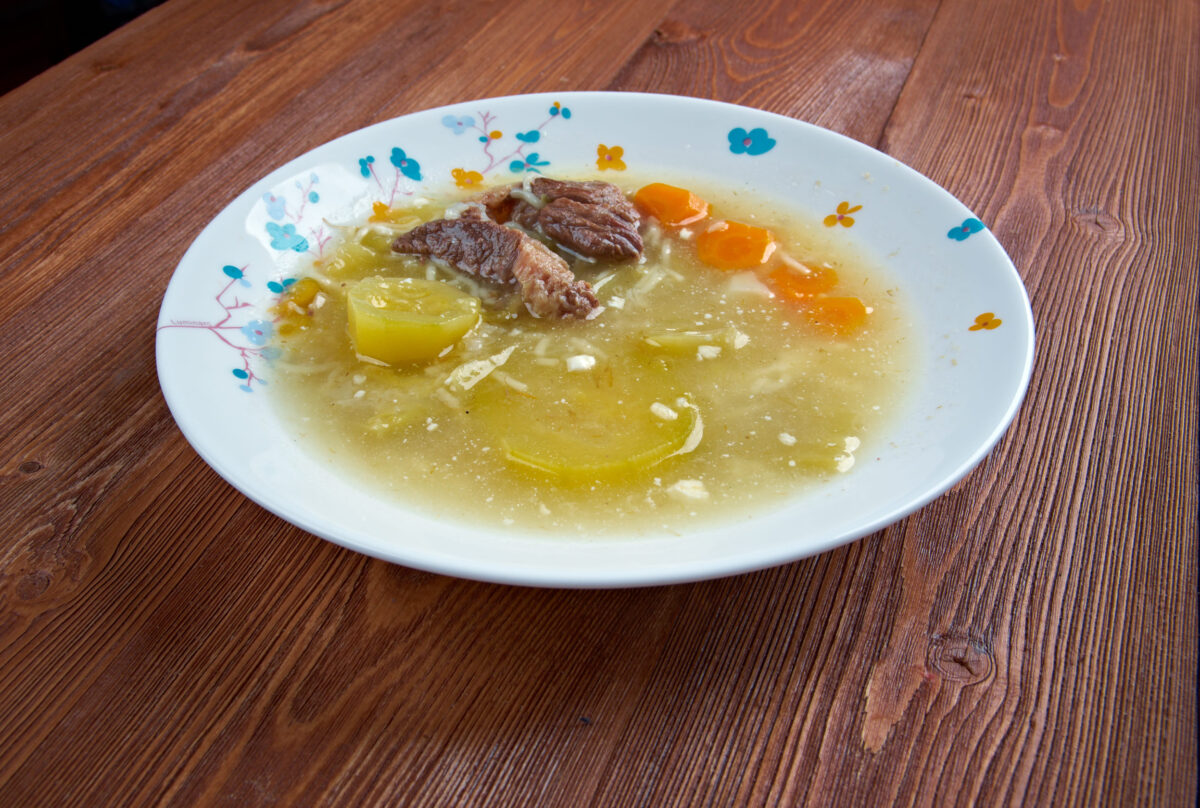
One of the earliest known written recipes is a simple-sounding meat broth from ancient Mesopotamia, in what is now Iraq. The recipe calls for meat, water, fat, leek, garlic, and another uncertain ingredient. The instructions are brief: cook the meat, add fat, then include crushed leek and garlic.
It may sound basic, but this tiny recipe is historically huge. It is not just a list of ingredients, it describes a cooking process. That makes it a true recipe, not simply a record of available foods.
Would it taste like your grandmother’s chicken soup? Probably not exactly. Historians still do not know the exact quantities, cooking times, or even one of the ingredients. Modern attempts are reconstructions, not perfect copies. But the idea remains familiar: meat, aromatics, liquid, and slow cooking.
Tuh’u: A 4,000-Year-Old Lamb Stew Packed With Flavor
If you think ancient food was bland, meet tuh’u. This Babylonian lamb-and-beet stew is one of the most exciting recipes from the Yale tablets.
Modern reconstructions suggest it included lamb, onions, beets, greens, coriander, cumin, beer, water, garlic, leeks, and herbs. The cooking method sounds surprisingly advanced: brown the meat, cook the vegetables and spices, add liquid, simmer, and finish with fresh herbs.
The dish shows that ancient cooks understood something modern chefs still love: layers of flavor. The recipe challenges the idea that people thousands of years ago ate only plain food.
Ancient Egyptian Sweet Treats: Cakes Made From Tiger Nuts and Honey
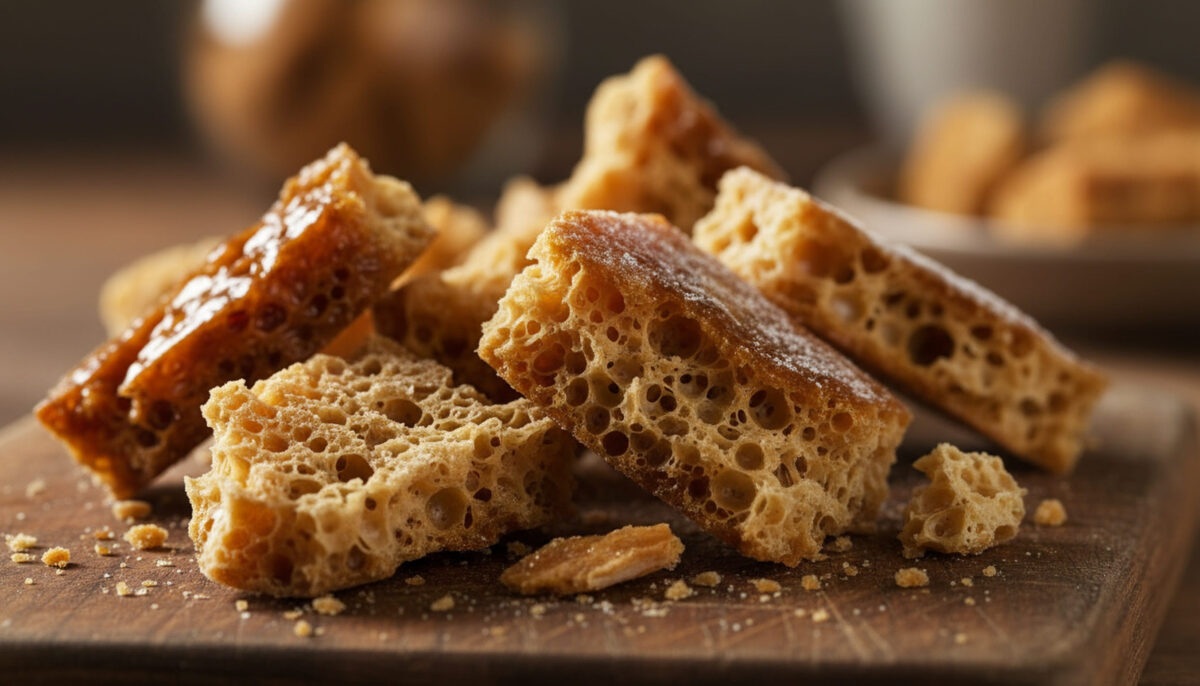
Ancient Egypt gives us a different kind of culinary evidence. Unlike Mesopotamia, Egypt has fewer surviving written recipes from the pharaonic period. However, artwork from the tomb of the vizier Rekhmire at Thebes shows what appears to be a preparation sequence for tiger-nut-and-honey cakes or cones.
The scene appears to show tiger nuts being ground, mixed with honey, and shaped into sweet treats. It is a great reminder that recipes do not always survive as written instructions, sometimes paintings and carvings preserve clues about what people ate.
Greek Fish Recipes: Simple Ingredients, Serious Opinions
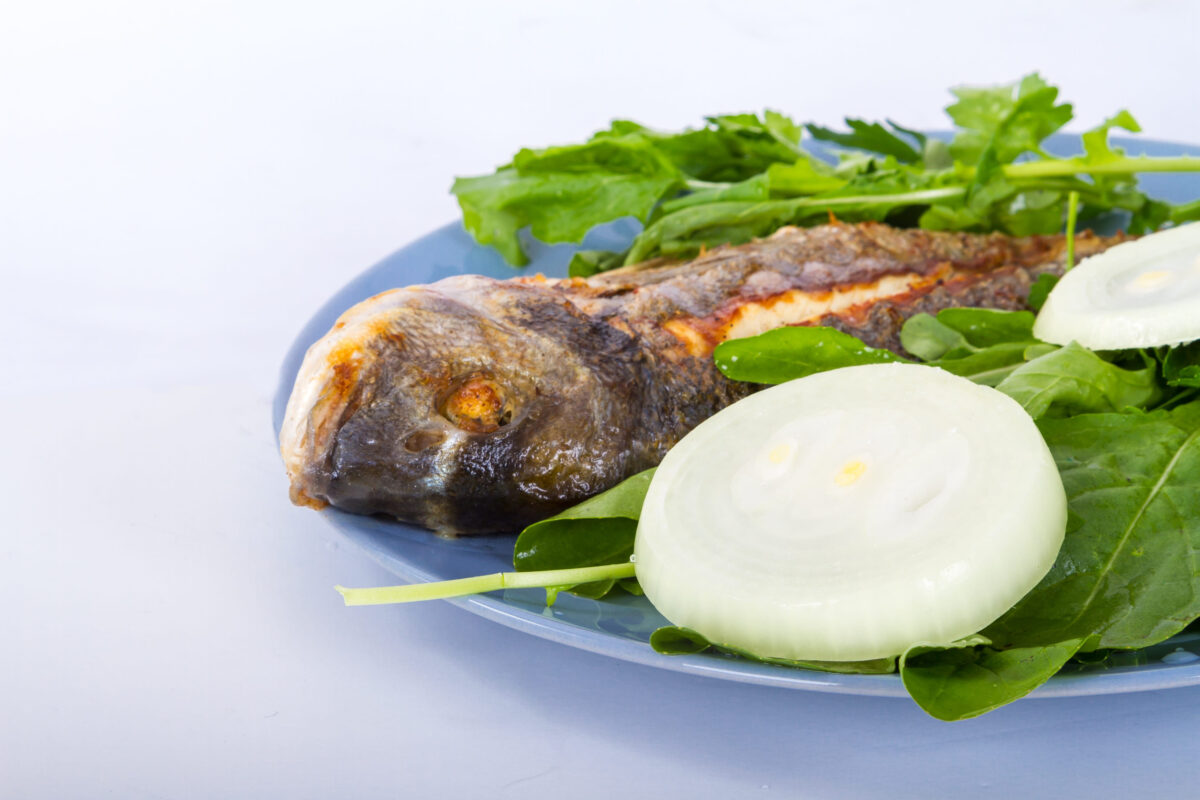
Ancient Greek writers were passionate about food. One early recipe attributed to Mithaecus describes tainia fish prepared with cheese and olive oil. The surviving version is short: prepare the fish, add cheese and oil.
Later, the Greek food writer Archestratus described fish wrapped in fig leaves, seasoned with oregano, and cooked in hot ashes. It sounds almost like an ancient version of modern cooking techniques such as baking fish in parchment or leaves.
The lesson? Ancient cooks already understood the magic of good ingredients. Sometimes the best recipe is simple: find something excellent, add a little flavor, and don’t overcomplicate it.
Roman Rose Wine: The Ancient Cocktail Experiment
The Romans also left behind fascinating recipes, including a rose-infused wine from the collection known as Apicius. The recipe uses rose petals, wine, and honey. The petals are repeatedly infused into wine before the drink is strained and sweetened.
It is basically an ancient experiment in flavored beverages—proof that people thousands of years ago were just as interested in creative drinks as we are today.
What These Ancient Recipes Teach Us
The oldest recipes reveal a surprising truth: cooking has always been about creativity. Ancient chefs were not simply trying to survive. They balanced flavors, experimented with ingredients, and developed techniques that still appear in kitchens today.
They also remind us to be careful when telling food stories. These recipes don’t prove that one civilization “invented” a dish or that a modern meal is directly descended from an ancient one. Many ancient texts are incomplete, copied later, or open to interpretation.
Still, there is something wonderful about seeing a cook from 4,000 years ago reach for garlic, herbs, fat, and a cooking pot,and realizing that some kitchen instincts never really disappear.
The oldest recipes are not just historical records. They are invitations. They ask us to taste the past, experiment, and remember that every great dish starts with the same question: “What happens if I combine these ingredients?”