Lindsay Clancy Trial Raises a Disturbing Question: Were the Warning Signs Visible Before Three Children Died?
The Lindsay Clancy trial is forcing a courtroom and a nation to confront one of the most difficult questions in modern criminal justice: what happens when a person suffering from a severe mental health crisis commits an unthinkable act? Before three young children died inside a Massachusetts home, Lindsay Clancy had already entered the mental health system, sought treatment and spoken with medical professionals. The tragedy did not emerge from a complete absence of warning signs. Instead, it emerged from a deeply complicated situation where the severity of her illness, her treatment history and her state of mind remain at the center of a legal battle.
The deaths of Cora, Dawson and Callan Clancy in January 2023 created a case that quickly moved beyond one family’s heartbreak. The Lindsay Clancy trial has become a national discussion about postpartum mental health, psychiatric evaluations, parental responsibility and whether existing systems can recognize when a person’s suffering has reached a dangerous point. The court is not debating whether the children died. It is examining why it happened and whether Lindsay Clancy should be held legally responsible for her actions.
At the center of the trial is a conflict between two very different interpretations of the same evidence. Prosecutors argue that Clancy intentionally killed her children and understood the consequences of her actions. Her defense argues that she was experiencing a severe psychiatric crisis that affected her ability to understand reality and control her behavior. The jury must now examine a question with no simple answer: when does a devastating mental illness change criminal responsibility?
The case began with a tragedy, but the courtroom battle is about what happened before it

The most important part of the Lindsay Clancy trial may not be what happened on the day her children died. It may be what happened during the weeks and months leading up to that moment.
According to testimony, Clancy struggled with serious mental health challenges before the deaths of her children. She experienced depression, anxiety, insomnia, and suicidal thoughts. She also received psychiatric care, including an inpatient stay at McLean Hospital in Massachusetts. These details have become some of the most important evidence presented during the trial because both sides interpret them differently.
For prosecutors, Clancy’s treatment history shows that doctors had opportunities to evaluate her condition and that she did not display signs of losing touch with reality. They argue that medical professionals observed depression but not psychosis. They say that distinction matters because the law requires jurors to consider whether Clancy understood her actions at the time of the killings.
The defense has presented a different interpretation of those same events. Her attorneys argue that Clancy’s mental illness was more severe than anyone realized. They say her condition progressed beyond ordinary depression and entered a state where her ability to think clearly and understand her actions was severely affected.
That disagreement has become the foundation of the Lindsay Clancy trial. The case is not simply about whether someone was mentally ill. It is about how severe that illness became and whether it changed the way she perceived reality. That distinction could determine whether the jury views the tragedy as a deliberate crime or the result of a devastating psychiatric breakdown.
A mother seeking help became the center of a debate about missed warning signs
One of the most troubling elements of the Lindsay Clancy trial is that Clancy was already connected to mental health care before the tragedy occurred.
The public often imagines mental health crises as sudden events that happen without warning. However, many psychiatric emergencies develop through a combination of symptoms, stress and vulnerability over time. In Clancy’s case, testimony has shown a documented history of emotional suffering before January 2023. That history has raised questions about whether anyone could have recognized how serious the situation had become.
During her hospitalization, doctors treated Clancy for severe depression. Medical testimony indicated that she reported suicidal thoughts and significant emotional distress. However, doctors testified that they did not observe psychosis during their evaluations. This difference between what was visible and what may have been happening internally has become a central issue in the trial.
The concept of hidden psychiatric suffering has become increasingly discussed in mental health research. Experts have repeatedly noted that some individuals experiencing severe distress may appear calm, cooperative, or functional during appointments. A short medical evaluation may not always reveal the full extent of someone’s private thoughts or internal struggles.
The Lindsay Clancy trial highlights this difficult challenge within mental health care. Healthcare providers must make decisions based on the information available during appointments. At the same time, families and communities often wonder whether additional warning signs could have been identified earlier.
Doctors saw severe depression, but the defense argues something deeper was happening
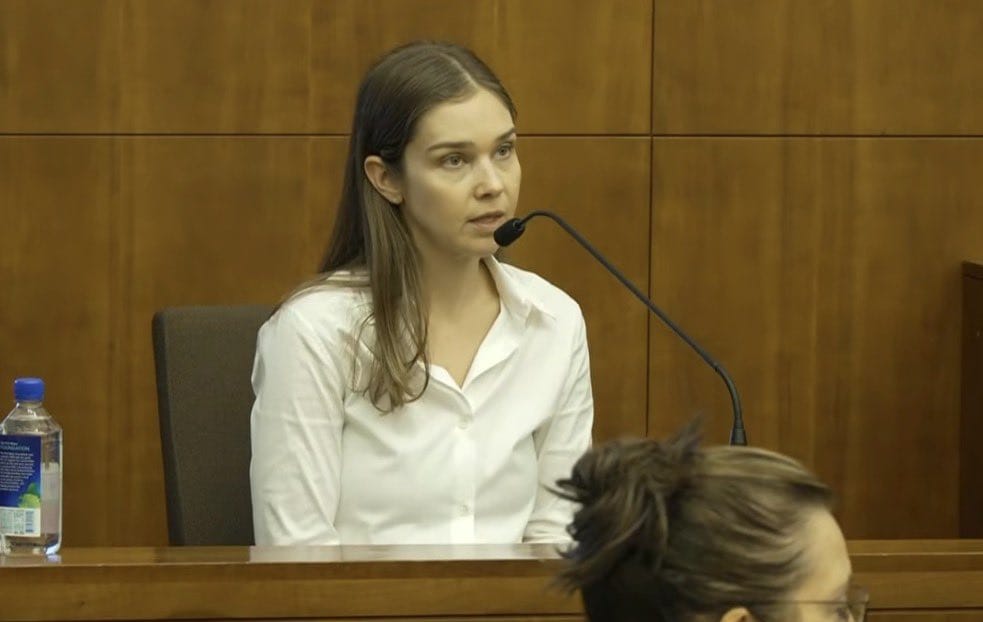
The medical testimony in the Lindsay Clancy trial has created one of the most complicated disagreements in the courtroom: the difference between depression and psychosis.
Depression can involve intense sadness, hopelessness, exhaustion and thoughts of suicide. Psychosis involves a different set of symptoms, including a possible break from reality, delusions or hallucinations. The defense argues that Clancy experienced postpartum psychosis, while prosecutors have highlighted testimony that treating doctors did not identify those symptoms before the deaths.
That medical disagreement matters because the law looks closely at a defendant’s mental state. A diagnosis alone does not determine criminal responsibility. Courts must consider whether a person understood their actions and whether a mental condition affected their ability to make decisions.
The prosecution has focused on evidence they believe shows planning and awareness. They have pointed to actions before the deaths and argued that those decisions demonstrate intention. Their position is that severe depression does not automatically remove accountability for criminal behavior.
The defense has argued that the situation cannot be understood without considering the full picture of Clancy’s mental health. They say her behavior must be examined through the lens of a psychiatric crisis. The Lindsay Clancy trial therefore places medical interpretation and legal standards directly against each other.
The final hours before the deaths remain one of the biggest questions
The timeline leading up to January 24, 2023, has become one of the most closely examined parts of the Lindsay Clancy trial.
Testimony has described a day that appeared ordinary on the surface. Clancy and her husband, Patrick Clancy, had plans involving food and errands. Prosecutors argue that these routine activities were part of a sequence of decisions that led to the deaths of the children.
The defense views those same details differently. They argue that ordinary behavior does not necessarily prove criminal intent. They say someone experiencing a severe psychiatric crisis may still perform familiar daily activities while struggling internally.
This conflict reflects a broader challenge in understanding mental illness. Many people assume a person experiencing a serious psychiatric emergency will always appear obviously unstable. Research and clinical experience show that mental health symptoms can sometimes be complex, inconsistent, and difficult to identify.
The Lindsay Clancy trial has placed that reality under intense examination. Jurors must decide whether the evidence shows a deliberate series of choices or the actions of someone whose mental state had dramatically changed.
Patrick Clancy’s testimony revealed the painful contradictions at the heart of the case
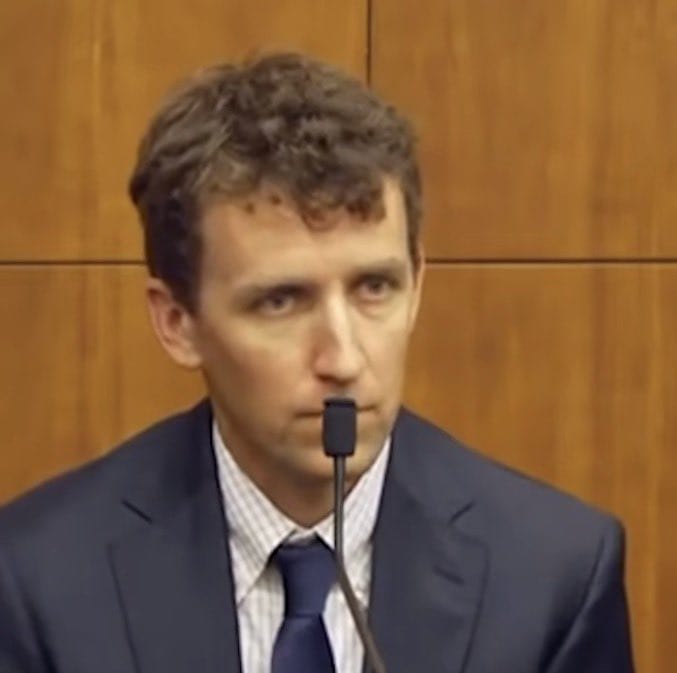
Few moments in the Lindsay Clancy trial have carried more emotional weight than testimony from Patrick Clancy, the children’s father.
Patrick has experienced an unimaginable loss while also becoming a key figure in understanding his wife’s mental health struggles. He testified about changes he noticed before the deaths, including concerns about her emotional state. His testimony has provided the court with a personal view of the months before the tragedy.
At the same time, Patrick’s account has highlighted the complexity of the case. He described Lindsay as someone who struggled but was also a loving mother before the deaths. That contrast has become an important part of the defense’s argument about who Clancy was before the crisis.
Friends, relatives and caregivers have also described Clancy as devoted to her children. A former nanny testified that she viewed Clancy as a caring parent and did not have concerns about the children’s safety while in her care. Those descriptions have contributed to the defense’s argument that the tragedy represented a dramatic change from her previous behavior.
The prosecution, however, argues that a person’s past behavior does not determine what they were capable of doing during a specific moment. The Lindsay Clancy trial is therefore examining not only who Clancy was before the deaths but who she was at the moment they occurred.
The trial reflects a larger national struggle with postpartum mental health
Beyond the courtroom, the Lindsay Clancy trial has become part of a wider conversation about postpartum mental health and the challenges of identifying severe psychiatric conditions.
Postpartum depression has received increasing attention in recent years as awareness grows about the mental health challenges some parents experience after childbirth. Medical organizations recognize that postpartum conditions can range from mild symptoms to severe emergencies requiring immediate treatment. The discussion has become more open, but many experts continue to emphasize the importance of early recognition.
Postpartum psychosis remains rare, but it is considered a serious psychiatric emergency. Research has shown that symptoms can develop rapidly and may require urgent medical intervention. Because the condition is uncommon, recognizing it can be difficult for families and even healthcare providers.
The Lindsay Clancy trial has brought these medical issues into public view in a way few cases have. However, experts caution against drawing broad conclusions from one individual case. Every mental health situation involves different circumstances, medical histories and personal factors.
Still, the case has raised important questions about how society responds when new parents experience severe emotional distress. It has also highlighted the need for continued conversations about screening, treatment access and support systems.
The courtroom must decide where illness ends, and responsibility begins

At its core, the Lindsay Clancy trial is confronting one of the hardest questions in criminal law: how should society respond when mental illness and violence intersect?
The legal system has long struggled with cases involving mental health defenses. Courts must balance compassion for individuals experiencing psychiatric conditions with accountability for actions that cause devastating harm. There is no simple formula for determining when illness changes responsibility.
In this case, both sides agree that Clancy experienced serious mental health challenges. The disagreement centers on the impact those challenges had on her mind at the time of the deaths. That distinction will shape how jurors interpret every piece of evidence presented.
As more testimony continues, the Lindsay Clancy trial remains focused on understanding rather than simply assigning blame. The jury must consider medical evidence, witness testimony, and the circumstances surrounding one of the most painful tragedies imaginable.
The case leaves behind questions that extend beyond one courtroom. How can families recognize when a mental health struggle has become an emergency? How can healthcare systems better identify hidden risks? And how should society judge someone whose actions occurred during what the defense describes as a profound psychiatric crisis?
Those questions may remain long after the verdict is delivered. The Lindsay Clancy trial is ultimately not only about a crime, but about the difficult space where mental health, medicine and justice collide.