Trump Keeps Joking About A Third Term, But The Real Battle May Be Who Controls The Future Of The GOP
What started as a joke about staying in power beyond two terms has become a much bigger conversation about presidential influence, constitutional limits, and the future of the Republican Party after Donald Trump.
Donald Trump has never been known for avoiding attention, and his repeated comments about a possible third presidential term have once again placed him at the center of a political debate.
The former and current president has joked with supporters about the possibility of remaining in power beyond his second term, despite the constitutional barrier created by the 22nd Amendment, which limits presidents to two terms.
To many supporters, the comments are simply Trump doing what he has done for years: challenging expectations and keeping his political movement energized. But to legal scholars and political analysts, the repeated references raise a deeper question.
The real story may not be whether Trump can legally run again. The bigger question is whether Trump can continue shaping American politics long after the Constitution limits his time in the Oval Office.
Trump’s Third Term Talk Is About More Than 2028
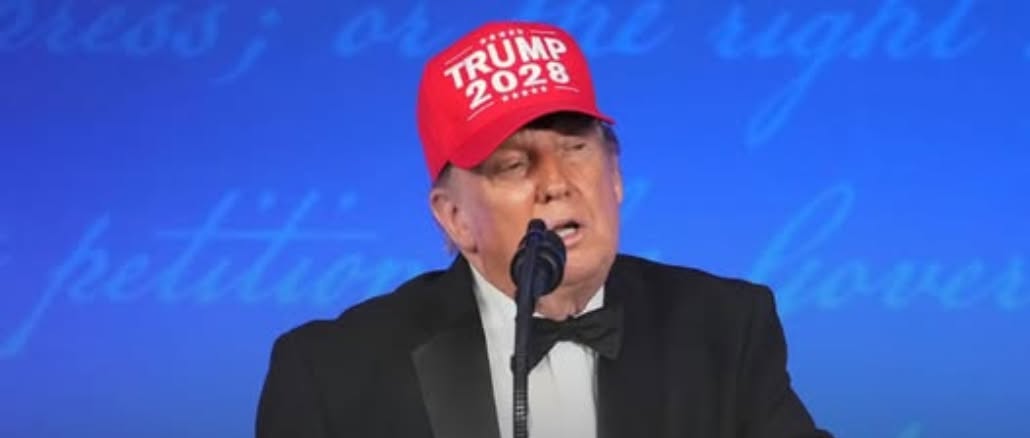
Trump’s repeated jokes about another presidential run have created a political conversation that extends far beyond a possible election campaign.
A president suggesting a future beyond two terms is unusual in modern American politics because the country has a clear constitutional tradition of limiting executive power.
The 22nd Amendment, ratified in 1951, states that no person can be elected president more than twice. The amendment was created after Franklin D. Roosevelt won four presidential elections and served as president for more than 12 years.
Before Roosevelt, presidents largely followed George Washington’s example of leaving office after two terms. The decision was not written into the original Constitution but became an important political tradition.
Roosevelt’s extended presidency during the Great Depression and World War II changed that tradition. After he died in 1945, lawmakers moved to create a formal limit that would prevent future presidents from holding the office indefinitely.
That history is part of why Trump’s comments attract attention. The debate is not only about one politician. It touches on a long American discussion about how much power one individual should hold.
The “Joke” Keeps Trump At The Center Of Republican Politics
Even without a realistic legal path to a third term, talking about 2028 allows Trump to remain the dominant figure in Republican politics.
Political experts say public statements from presidents and major political figures often influence their literal meaning.
Trump has built one of the strongest personal brands in modern American politics. Since first winning the presidency in 2016, he has maintained a loyal base that continues to shape Republican elections, endorsements and policy debates.
His influence remained strong even after leaving office following his first term. Republican candidates across the country continued seeking his support, and his endorsements became a major factor in several primary contests.
That creates an unusual political situation.
A president who cannot legally seek another elected term can still have enormous influence over the people who might compete to replace him.
The third term discussion therefore becomes less about a campaign calendar and more about power. It keeps attention focused on Trump while potential Republican successors attempt to build their own identities.
Republicans Face A Difficult Question: Who Comes After Trump?
Behind the third-term jokes is a bigger challenge facing the Republican Party: how to prepare for a future without its most recognizable figure.
Every major political movement eventually faces a transition moment. For Republicans, that moment is complicated by Trump’s continued popularity and ability to command national attention.
Some Republicans have mentioned Vice President JD Vance as a possible future leader of the party. Other Republican figures are also expected to compete for influence as the 2028 presidential race approaches.
But succeeding Trump presents a unique challenge.
A future Republican candidate must appeal to Trump’s voters while also proving they can lead independently. Too much distance from Trump could alienize his supporters, while relying too heavily on his identity could make it difficult to create a separate political brand.
The third term jokes add another layer to that challenge.
When Trump suggests that his influence may continue beyond his presidency, Republican politicians must decide whether they are building their own movements or continuing his.
Legal Experts See A Constitutional Question, Not A Guaranteed Political Plan
Most constitutional scholars agree that the 22nd Amendment creates a major barrier to Trump serving another elected term, but the conversation continues because of the political implications.
Some Trump supporters have explored unusual constitutional theories about whether there could be alternative ways for him to return to power.
However, most legal experts argue that the amendment’s straightforward interpretation prevents a president who has already been elected twice from being elected again.
The legal debate remains important because it highlights the strength of constitutional limits in the American system.
At the same time, experts say the bigger issue may be political rather than legal.
A president’s influence does not automatically disappear when a term ends. Former presidents have historically remained involved in public life, from writing books and supporting candidates to advocating for policy issues.
Trump’s situation is different because his political movement has been closely tied to his personal leadership style.
Supporters And Critics See Two Completely Different Stories
The same comments that excite Trump’s supporters also create concerns among his critics, showing how divided the country remains over his political role.
For supporters, talk of a third term represents confidence in Trump’s leadership and a belief that his political agenda should continue.
They see the comments as another example of Trump refusing to follow traditional political expectations.
Critics view the issue differently. They argue that repeatedly discussing extended presidential power raises questions about democratic norms and the importance of respecting constitutional boundaries.
The disagreement reflects a larger divide in American politics over Trump’s place in history.
To supporters, he represents a movement that changed the Republican Party. To critics, he represents a challenge to traditional ideas about presidential power.
The Bigger Question Is Not Just About Trump

The debate over a possible third term reveals a larger question about how much influence a president can maintain after leaving office.
The Constitution may determine who can appear on a presidential ballot, but it does not determine how much political influence a former president can have.
Trump’s repeated comments have reopened an old American debate about leadership, loyalty and the limits of power.
Whether the remarks remain a recurring joke or become part of a larger political movement, they have already accomplished one thing: they have kept Trump at the center of the national conversation.
As Republicans look toward the future, the biggest question may not be whether Trump can run again.
It may be whether anyone else can truly lead the party while Trump remains the person shaping its direction.
Meta Description:
Donald Trump’s repeated third-term jokes have sparked a deeper debate about constitutional limits, Republican succession and his lasting influence on American politics.