Checkers Franchisee Bankruptcy Exposes $1.8 Million Debt Crisis as Revenue Falls
A familiar fast-food sign can hide an unfamiliar financial reality. The Checkers franchisee bankruptcy involving C.S. Holdings of Tampa LLC reveals how quickly a two-restaurant business can become overwhelmed when sales weaken and debt remains fixed. Behind the drive-thru lanes and branded menu boards sits a company reporting liabilities more than three times the value of its assets.
C.S. Holdings filed for Chapter 11 protection in the U.S. Bankruptcy Court for the Middle District of Florida on July 14, 2026. The operator listed more than $1.8 million in debt and more than $569,000 in assets, producing an estimated gap of roughly $1.23 million based on the rounded figures. It also reported a significant revenue decline between 2024 and 2025.
The filing does not mean the entire Checkers & Rally’s system has entered bankruptcy. Checkers Drive-In Restaurants Inc., the franchisor that licenses the brand, is not a debtor in this case. Even so, the Checkers franchisee bankruptcy offers a revealing look at the pressures that can build beneath a nationally recognized name.
What the Drive-Thru Could Not Hide
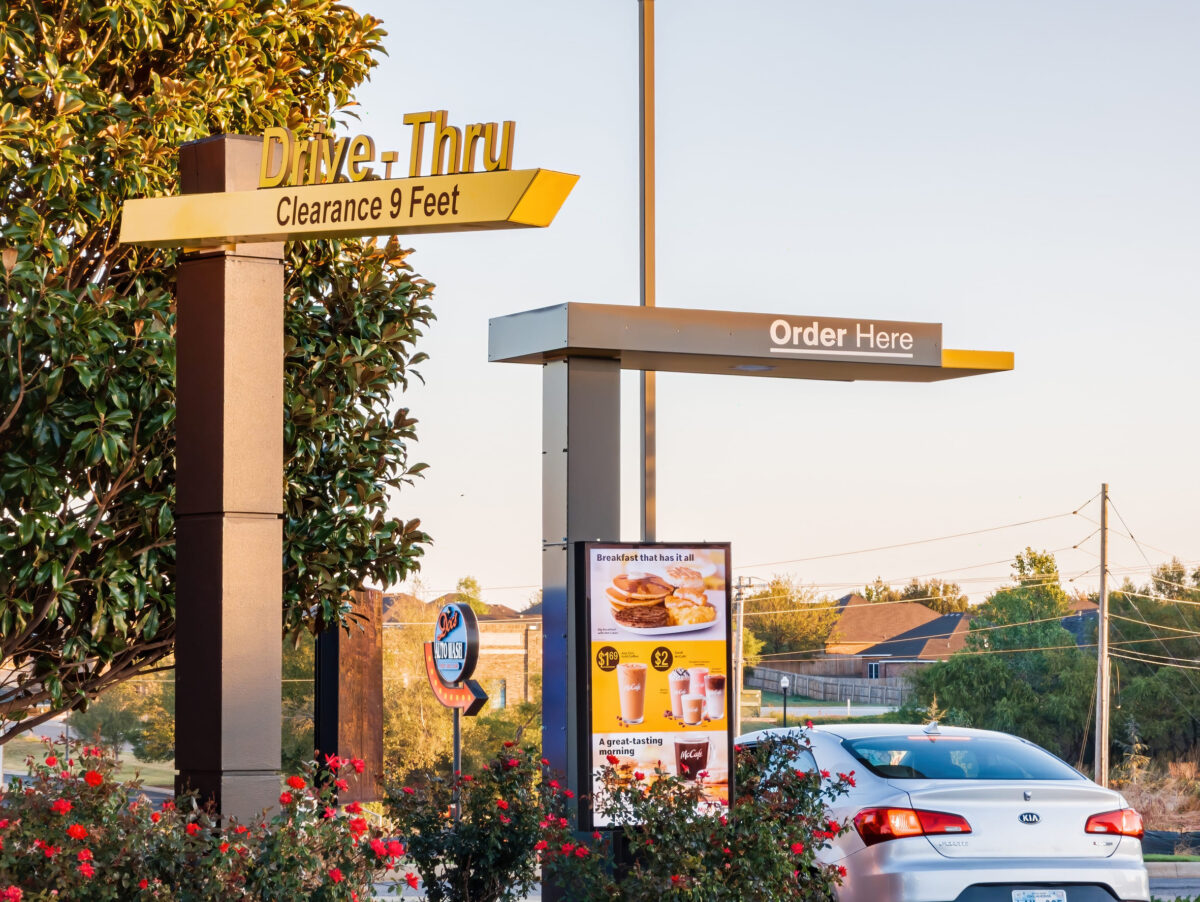
The balance sheet presents the clearest warning. C.S. Holdings reported more than $1.8 million in liabilities against assets exceeding $569,000, indicating debt was approximately 3.2 times assets based on the disclosed rounded amounts. That imbalance leaves the company with little protection if asset values fall or operating losses continue.
Revenue trends deepen the concern. Gross revenue declined from more than $1.55 million in 2024 to more than $1.22 million in 2025, a drop of about $330,000 or roughly 21%. The company had generated more than $426,000 in 2026 by the time it filed for bankruptcy as a Checkers franchisee.
Because C.S. Holdings operates two Tampa locations, its 2025 revenue averaged roughly $610,000 per restaurant before expenses. Gross sales do not show profit, free cash flow, or the amount available for debt payments. Payroll, food, insurance, utilities, maintenance, rent, taxes, technology, and franchise obligations still had to be covered by those sales.
One Creditor Sits at the Center of the Crisis
The creditor list shows an unusually concentrated burden. Bank Five Nine is reportedly owed more than $1.6 million, equal to nearly 89% of the operator’s total reported liabilities when measured against the rounded $1.8 million figure. That concentration gives one lender substantial influence over any restructuring discussion.
Other unsecured creditors add different forms of pressure. The Florida Department of Revenue is listed as owed more than $99,000, while Kapitus LLC is owed about $60,000 and Highland Hill Capital is owed about $50,000. A Chase business credit card claim exceeds $4,800, according to the reported filing details.
The state revenue claim complicates the Checkers franchisee’s bankruptcy more than a dispute involving a single commercial loan. Tax-related obligations can require careful treatment in a reorganization plan, while lenders may demand protections before permitting the use of cash or collateral. We should not infer misconduct, but the creditor mix points to stress across several parts of the business.
The Most Important Fight May Be Over Tomorrow’s Cash
C.S. Holdings filed an emergency motion seeking authority to use cash collateral on the same day it entered Chapter 11. The court scheduled a hearing for July 16, 2026, on that request and on applications involving officer compensation. The company’s Subchapter V reorganization plan is due by October 13, 2026, unless the court changes the deadline.
Cash collateral often includes money or proceeds in which a secured creditor claims an interest. A debtor generally needs creditor consent or court approval before spending those funds. The request does not prove the restaurants have no cash, but it shows that access to operating money may be legally restricted.
That distinction matters in a restaurant business, where expenses arrive every day. Employees expect wages, suppliers expect payment, and refrigeration, lighting, cooking equipment, and point-of-sale systems must continue working. The Checkers franchisee’s bankruptcy cannot succeed merely because collection actions pause, since the stores must also generate and retain sufficient cash to continue serving customers.
The Franchise Model Creates Strength and Rigidity
Franchising allows an operator to trade under an established name, use a standardized menu, and draw on a recognized operating system. It also separates the local operator’s finances from the corporate brand. Customers may see identical signs across cities, although each franchise company handles its own loans, leases, tax obligations, and payroll.
Checkers & Rally’s says franchisees generally pay a royalty equal to 4% of net sales and meet a total advertising expenditure requirement of 4.5%. Its franchising materials place the estimated initial investment between $449,000 and $1.915 million, excluding real estate. The company also lists minimum financial requirements of $900,000 in net worth and $350,000 in liquid assets per location.
Those figures do not establish the cause of the Checkers franchisee bankruptcy because the petition did not identify one specific trigger. However, they illustrate why falling sales can become dangerous in a capital-intensive system. Percentage-based fees may decline with revenue, but debt service, occupancy, insurance, equipment, and minimum staffing costs can remain stubbornly high.
A National Logo Can Conceal Local Weakness
Checkers Drive-In Restaurants did not file for bankruptcy, and the two Tampa restaurants represent only a small part of the wider system. The brand’s franchising website cites 719 restaurants in its 2024 franchise disclosure figures, including 499 franchise-operated locations and 220 corporate units. One operator’s failure therefore does not establish that hundreds of other restaurants share the same condition.
Still, the franchise structure can make local distress difficult for customers to detect. A restaurant may keep its menu, uniforms, promotions, and exterior branding while the company behind it struggles to meet taxes or lender obligations. The Checkers franchisee bankruptcy became visible only after court records exposed the gap between revenue, assets, and debt.
The corporate brand has also faced financial restructuring in its own history, although that separate event did not involve C.S. Holdings. In 2023, Checkers Drive-In Restaurants announced a recapitalization that reduced long-term funded debt from about $300 million to $75 million and added $25 million in new financing commitments. That history provides context, but it should not be confused with the current two-store bankruptcy.
Falling Sales Hurt More When Costs Refuse to Follow
The wider restaurant economy helps explain why a revenue decline can have severe consequences. The National Restaurant Association estimates that expenses for an average restaurant rose 36% between 2019 and 2026. It also reported that 42% of operators said their restaurants were not profitable in 2025.
Labor and food costs account for much of the pressure. Average hourly earnings for restaurant employees rose 41% from pre-pandemic levels, while average wholesale food prices increased 35%, according to the association. Utilities, occupancy, supplies, insurance, and card-processing expenses also climbed sharply.
These industry figures do not prove that rising costs caused the Checkers franchisee bankruptcy. They do show why a 21% revenue decline can be difficult to reverse when major expenses remain elevated. A restaurant may raise menu prices, but customers seeking value can reduce visits, switch brands, or prepare more meals at home.
Other Franchise Failures Show the Pattern Is Broader
C.S. Holdings is smaller than several restaurant operators that have recently entered bankruptcy, but the underlying structure looks familiar. Superior Star LLC, a Hardee’s franchisee operating 59 restaurants, filed for Chapter 11 in July 2026 amid a dispute tied to seller financing. Popeyes franchisee Sailormen Inc. entered Chapter 11 in January 2026 while operating 136 restaurants.
These cases differ in scale, geography, ownership, and stated causes. They do not prove that franchising itself is failing, nor do they show that every burger or chicken chain faces the same danger. They demonstrate how recognizable brands can continue operating while individual franchise businesses collapse under debt, losses, or disputed financing.
The comparison also reveals why headlines can mislead readers. A chain bankruptcy may actually involve an independent operator, while the parent company remains outside court and continues selling franchises. The Checkers franchisee bankruptcy should therefore be understood as both a local business crisis and part of a wider pattern of operator-level distress.
Chapter 11 Offers Time, Not a Guaranteed Rescue
C.S. Holdings elected Subchapter V, a streamlined form of Chapter 11 created for eligible small businesses. Under this process, a trustee helps oversee the reorganization, examine the debtor’s financial condition, and facilitate the development of a plan. The structure can reduce some costs and deadlines associated with a traditional Chapter 11 case.
The automatic stay generally pauses many collection actions after a bankruptcy petition is filed. That protection gives the debtor time to negotiate, but it does not erase debt or make an unprofitable operation viable. C.S. Holdings must still file required reports, address creditor claims, pay current obligations, and show that its plan can work.
The two restaurants could remain open, change ownership, be sold to another franchisee, or close if the numbers fail to support continued operation. The stores may survive even if C.S. Holdings does not retain control of them. That possibility makes the Checkers franchisee bankruptcy a test of the locations’ underlying value, not merely the current owner’s willingness to reorganize.
The Real Question Begins After the Filing
The court case has already exposed four severe weaknesses: falling sales, debt far above assets, concentrated lender exposure, and uncertainty over access to operating cash. None guarantees liquidation, but together they create a demanding path toward recovery. The October plan deadline will force the operator to translate hope into credible financial projections.
For employees, suppliers, landlords, and customers, the uncertainty may unfold quietly. The restaurants can continue serving burgers while lawyers negotiate over collateral, repayment priorities, and future ownership. Bankruptcy often looks ordinary from the parking lot even when the balance sheet is undergoing a fundamental change.
The Checkers franchisee bankruptcy ultimately asks a question that reaches beyond two Tampa drive-thrus. How much financial strain can a local operator withstand before the strength of a national brand ceases to provide meaningful protection? The answer will depend not on the logo above the counter, but on whether the business beneath it can once again turn daily sales into sustainable cash.