10 Reasons You Should Think Twice Before Getting a Second Passport
The rise in demand for second passports is a sign of the times. With more people considering this option, it’s essential to understand the reasons behind it, the possible complications, and why you might want to pause before jumping in. While it may seem like an easy solution to navigate travel, privacy, and political issues, there are hidden costs and consequences to obtaining this second layer of security. Here are 10 reasons why you should think twice before securing a second passport.
Increased Bureaucratic Oversight

While a second passport may promise freedom from delays, it can attract greater scrutiny from government agencies. The additional passport may raise red flags with immigration or customs, leading to questions, unwanted scrutiny, and even a flag in databases. The convenience may quickly be overshadowed by added oversight.
Complexity in Citizenship Laws
Obtaining a second passport often leads people to explore dual citizenship, but that path isn’t always straightforward. Countries have varying laws about citizenship, taxation, and residency. Navigating these laws can be challenging, and mistakes may result in the loss of legal status in one country or hefty penalties. It’s a process that requires careful planning, which many overlook.
Higher Legal Costs
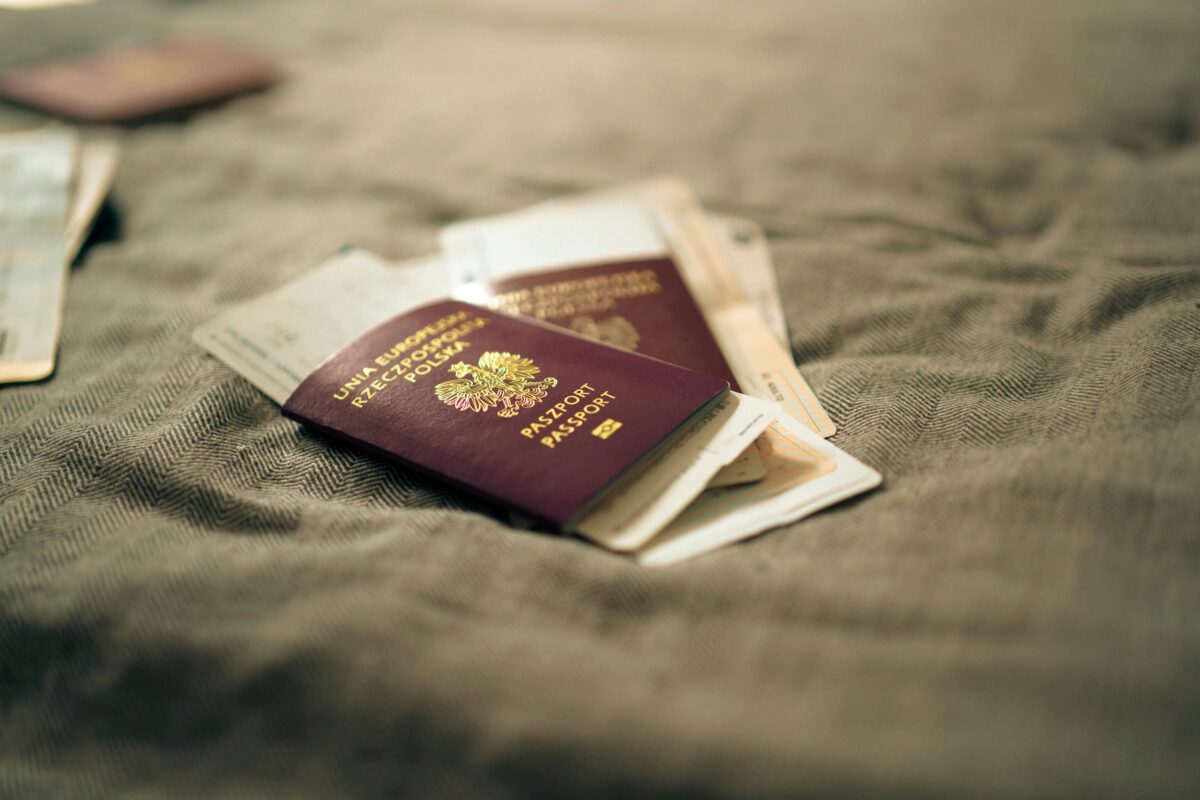
The process of applying for a second passport, especially when linked to dual citizenship or immigration benefits, can be expensive. Legal fees, embassy application fees, and related costs can add up. Often, individuals find that what was intended to be a simple backup plan becomes a costly and lengthy affair.
Ethical Implications
While a second passport might feel like a personal safeguard, it can have broader ethical and legal implications. Obtaining a second passport through loopholes or misusing it for purposes like tax avoidance or circumventing travel restrictions can lead to severe legal consequences. This approach, while tempting, often raises moral concerns about fairness and legal compliance.
Unforeseen Restrictions

A second passport might not always guarantee smooth sailing for global travel. Many countries impose restrictions on holders of dual passports or specific passport types, especially if those passports are issued by countries with strained diplomatic relations. This may limit rather than broaden your travel options, and your passport might restrict your ability to travel to certain regions.
Potential Loss of Rights
Some countries don’t recognize dual nationality, and individuals holding multiple passports can face legal ambiguity. The risk of losing rights, such as inheritance, healthcare access, or the right to vote, can occur if the country of primary residence does not recognize the second nationality. This uncertainty can place individuals in precarious situations should they need to rely on those rights.
Complicated Banking and Financial Issues
Second passports can complicate financial transactions, especially if they are used to open new bank accounts or to sidestep taxes. Many financial institutions may flag dual passport holders, and certain countries may restrict the amount of money or assets that can be transferred internationally. The process can lead to unexpected complications when managing personal finances.
Impact on Travel Relationships

When you carry a second passport, you may also inadvertently impact the travel experiences of those you are with. Family members and travel companions may be forced to follow different visa procedures, or you may find yourself in situations where your passport limits the group’s ability to travel together. These unforeseen consequences can make what was once a convenient plan less appealing.
Potential Impact on National Security
While the personal benefits of holding a second passport may seem clear, there are risks regarding national security. Countries with multiple passports can face challenges tracking individuals involved in international crimes or espionage. While this is rare, having multiple passports can create additional work for national security agencies, which could eventually affect the individual.
Unintended Long-Term Consequences
Getting a second passport might seem like a good idea today, but it can have long-term effects that aren’t immediately apparent. Changes in your primary country’s legal system or changes in the political climate could make dual nationality undesirable in the future. Laws could be amended, and benefits previously available could vanish without warning, leaving you with more paperwork and fewer rights.
Conclusion
While obtaining a second passport may appear as a necessary tool in today’s globalized world, it’s essential to weigh the long-term consequences. From complex legal processes to potential financial complications, it’s not just about obtaining the passport; it’s about understanding the responsibilities and challenges that come with it. Before rushing into it, make sure you understand the potential pitfalls and whether the benefits truly outweigh the risks.