6 Reasons Juice Diets are Dangerous for Your Health
Juice diets often appear harmless and appealing, with their vibrant colors suggesting health and discipline. They can create the impression of a quick reset, erasing previous dietary choices and offering immediate comfort.
While fresh juice can be part of a balanced diet, relying on juice alone can deprive the body of fiber, protein, healthy fats, sustained energy, and the satisfaction of eating whole foods. Whole fruits and vegetables retain fiber that is typically lost during juicing, making them a healthier choice than juice alone.
Here are some reasons why you should rethink your Juice diet;
Juice Diets Remove the Fiber That Keeps You Full
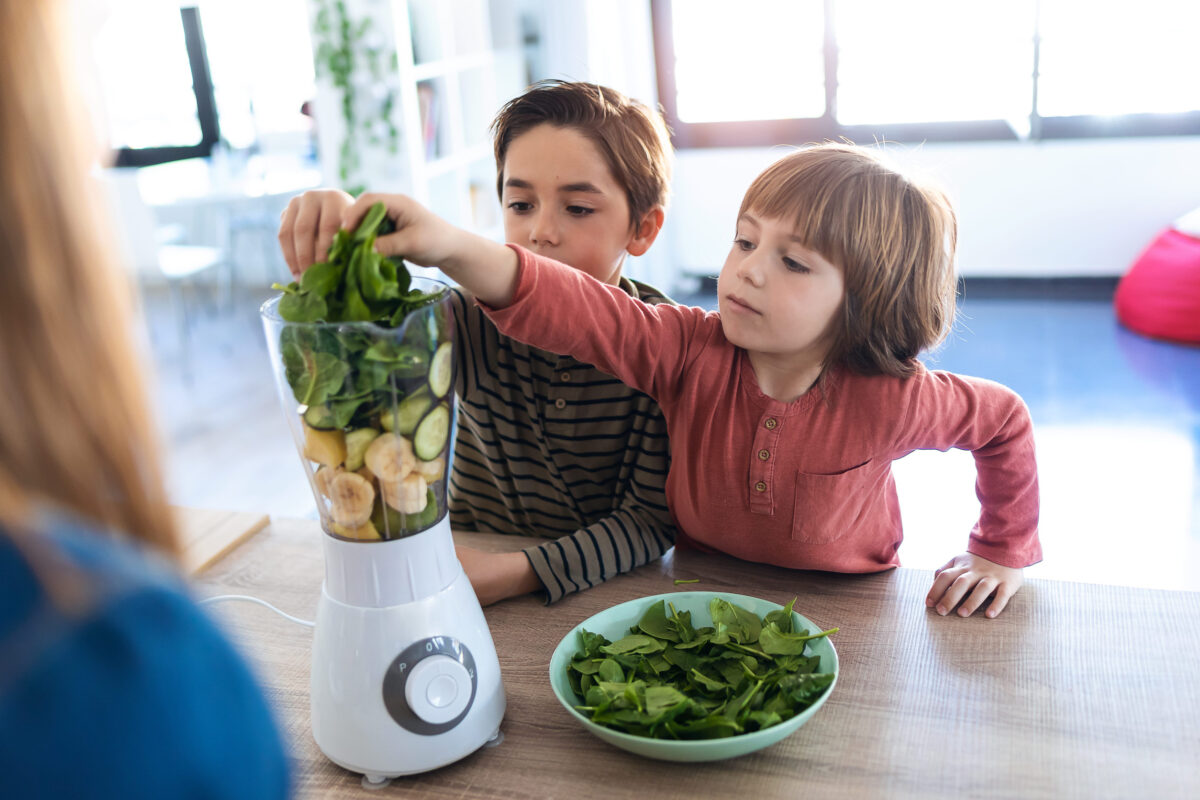
Juice diets often discard the most beneficial parts of fruits and vegetables, such as the pulp, which contains fiber. Fiber is essential for promoting fullness, supporting digestion, and maintaining stable eating patterns. Without fiber, juice passes through the body more quickly than whole foods. As a result, you may consume the sugar from multiple fruits in a short time without experiencing the same level of fullness as eating them whole.
This explains why juice cleanses can leave you feeling hungry despite consuming large amounts of liquid. The lack of chewing, texture, and slow digestion reduces satisfaction. Mayo Clinic notes that whole fruits and vegetables provide healthy fiber, much of which is lost during juicing.
Juice Can Send Your Blood Sugar on a Roller Coaster
Juice often provides a rapid energy boost because fruit-based juices deliver natural sugar that the body absorbs quickly. While this may feel refreshing initially, it is often followed by fatigue, hunger, irritability, and cravings for additional snacks. The issue is not with the fruit itself, but with the concentration of sugars in the juice.
The CDC explains that drinking fruit juice raises blood sugar more rapidly than eating whole fruit, and that combining carbohydrates with protein, fat, or fiber helps slow this rise. Most juice diets lack these balancing nutrients, which can result in sudden drops in energy.
Juice Diets Leave Your Muscles Without Enough Protein

Most juice diets are marketed as healthy, but they are typically low in protein. Protein is essential for muscle repair, immune function, tissue maintenance, enzyme production, and daily recovery.When juice replaces meals, the body may receive vitamins and antioxidants, but lacks essential nutrients needed for strength and health. As a result, individuals on juice cleanses often feel weak, cold, tired, or irritable.
This can make weight loss appear more significant than it is. Losing water and food volume is not equivalent to healthy fat loss. Inadequate protein intake can lead to muscle loss, which is detrimental to long-term health.
Juice Cleanses Can Turn Weight Loss Into a Boomerang

Weight may decrease during a juice diet, but this does not indicate lasting results. Rapid calorie reduction and replacing solid meals with liquids often lead to temporary weight loss from water and reduced digestive content, rather than sustainable fat loss. When normal eating resumes, intense hunger often follows. This rebound hunger is a natural biological response to restrictive eating, not a sign of personal weakness.
Cleveland Clinic warns that detox and cleanse diets are not well-balanced and may leave people short of essential proteins, nutrients, and electrolytes. The same guidance notes that restriction can drain energy and may disrupt metabolism and blood sugar levels.
The Detox Promise Is Mostly Wellness Glitter
The term “detox” is frequently used in juice diet marketing. In reality, the body already has effective detoxification systems, primarily the liver and kidneys, which function continuously without the need for juice cleanses.
That does not mean nutrition does not matter. It absolutely does. Good food supports the organs that help process waste. A balanced diet supports the organs responsible for processing waste, balancing fluids, and maintaining overall health. This support is achieved through consistent healthy habits, not occasional restrictive cleanses.
Juice Diets Can Make Your Gut Feel Betrayed

Juice cleanses are often marketed as beneficial for digestion, but they can cause bloating, loose stools, constipation, cramps, or other digestive discomfort. A sudden switch from balanced meals to liquid foods can disrupt the digestive system.
The digestive system benefits from a varied diet that includes whole foods, different types of fiber, protein, healthy fats, and adequate nutrition. The lack of fiber can disrupt digestion. Fiber supports regular bowel movements and nourishes beneficial gut bacteria. Without it, digestion may become irregular and less predictable.
Conclusion
Juice diets are popular because they promise a quick and simple solution. However, the body requires more than just vitamins in liquid form to maintain health.
Fresh juice can be part of a healthy routine when consumed alongside whole foods. Problems arise when juice replaces meals, leading to deficiencies in fiber, protein, healthy fats, and sustained energy.