10 Reasons You’re Not Losing Weight
You can eat the salads, buy the walking shoes, skip the late-night cookies, and still feel betrayed by the bathroom scale. Few things are more frustrating than doing “almost everything right” and watching your weight refuse to move. It can make you wonder if your body missed the memo, your metabolism went on vacation, or your diet plan is secretly laughing at you.
The good news is that a stalled scale does not always mean failure. Sometimes fat loss happens quietly beneath water weight, muscle repair, stress, poor sleep, or a few sneaky habits that feel harmless in the moment.
Here are some reasons why you are not losing weight.
You’re Losing Fat, But the Scale Is Being Dramatic
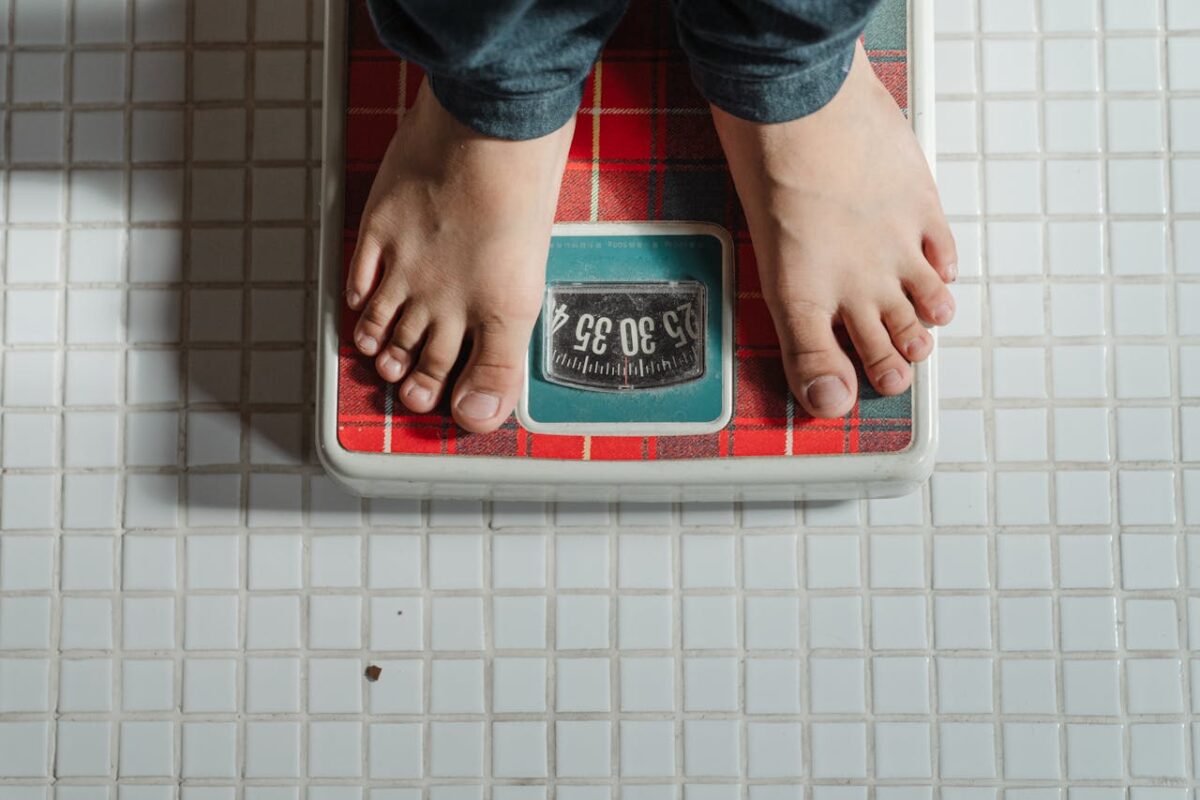
The scale can be useful, but it is not always honest in the moment. Water retention, salty meals, sore muscles, hormones, constipation, late dinners, and stress can all make your weight bounce around even when your body is changing. That is why a single frustrating weigh-in should never be treated as a final report card.
This happens often when you start exercising or eating more protein. Your body may be building or preserving muscle while losing fat, which can make the number look stubborn for a while. A better approach is to track your waistline, take progress photos, notice how your clothes fit, and compare weekly averages rather than panic over one morning’s number.
You’re Not Eating Enough Protein
Protein is important for weight loss because it promotes satiety, supports muscle, and makes meals more satisfying. Breakfasts high in cereal, toast, juice, or sweet coffee often lead to increased hunger soon after, which can result in additional snacking.
Including protein in each meal can help manage hunger throughout the day. Foods such as eggs, Greek yogurt, chicken, fish, lean meats, tofu, cottage cheese, beans, lentils, and protein-rich dairy can reduce unplanned snacking. A balanced approach is more effective than adopting a strict bodybuilding diet.
You’re Drinking Calories Without Counting Them

Sugary drinks are among the sneakiest weight-loss blockers because they go down quickly and don’t fill you up the way solid food does. Soda, sweet tea, fruit drinks, energy drinks, flavored coffees, cocktails, and even some “wellness” drinks can add hundreds of calories before lunch. The problem is not just sugar. It is how invisible those calories feel.
A large coffee loaded with syrup and cream can behave more like a dessert than a drink. A few weekend cocktails can undo days of careful eating. Water, unsweetened tea, black coffee, sparkling water, and low-calorie drinks may not sound exciting, but they can make weight loss much easier without forcing you to shrink every meal.
Your Portions Are Bigger Than They Look
Many people are not eating badly. They are simply eating more than they realize. A little extra oil in the pan, a generous scoop of peanut butter, a second handful of nuts, creamy coffee, salad dressing, sauces, and weekend takeout can quietly erase a calorie deficit without looking like a major mistake.
This is why “healthy eating” and “weight-loss eating” are not always the same thing. Avocado, granola, smoothies, olive oil, brown rice, and protein bars can be nutritious, but they still count. If progress has stalled, tracking meals for a week or two can reveal the hidden calories that memory tends to edit out.
Your Food Is Too Processed to Keep You Full

Ultra-processed foods are designed to be easy to overconsume. Their texture and flavor profiles make it difficult to stop eating at appropriate portions. Chips, cookies, pastries, frozen snacks, fast food, sugary cereals, and packaged treats can increase appetite and calorie intake.
Whole foods require more chewing and digestion, which can promote a sense of fullness. Vegetables, fruits, oats, beans, potatoes, eggs, lean proteins, and whole grains provide greater volume for fewer calories. Emphasizing whole foods can make weight loss more sustainable and less restrictive.
Your Weekends Are Canceling Your Weekdays
This is a common reason for stalled progress. Many people maintain discipline during the week, but increased restaurant meals, drinks, desserts, and snacks on weekends can undo the calorie deficit built up from Monday to Thursday.
The body does not distinguish between weekdays and weekends. It responds to the total pattern. You do not need to live like a monk on Saturday, but you do need a plan. Choose the treat you actually want, watch liquid calories, avoid turning one meal into a two-day food festival, and remember that consistency beats dramatic restriction every time.
You’re Exercising, But Sitting Too Much
A workout is helpful, but it cannot fully make up for a day spent sitting. Many people train for 45 minutes and then sit for work, driving, meals, television, and scrolling. That low daily movement can keep total calorie burn much lower than expected.
This is where ordinary movement becomes powerful. Walking after meals, taking the stairs, stretching during breaks, cleaning, running errands on foot, and increasing daily steps can make a real difference. You do not always need a harder workout. Sometimes you need a less motionless day.
You’re Skipping Strength Training

Cardio can help burn calories, but strength training helps preserve your shape and muscle mass. When you lose weight without resistance exercise, you may lose more muscle along with fat. That can slow progress, reduce firmness, and leave you feeling smaller, not necessarily stronger or healthier.
Strength training does not have to mean intimidating gym sessions. Bodyweight exercises, resistance bands, dumbbells, machines, squats, rows, presses, lunges, and simple progressive routines can all help. Two or three sessions a week can support better body composition and make weight loss look better, not just read better on the scale.
Poor Sleep Is Making Cravings Louder
Bad sleep can wreck discipline quietly. When you are tired, hunger feels sharper, cravings hit harder, workouts feel heavier, and high-calorie food becomes more tempting. The brain starts looking for quick energy, and suddenly the cookies in the pantry feel less like a snack and more like a rescue mission.
Sleep is not just recovery. It is part of appetite control. A consistent bedtime, less late-night screen time, limited evening caffeine, a cooler bedroom, and a calmer night routine can make weight loss easier. If you snore heavily, wake up exhausted, or feel sleepy during the day, it may also be worth discussing sleep quality with a healthcare professional.
Stress Is Pushing You Toward Comfort Food

Stress affects appetite differently in different individuals. Some lose their appetite, but many people crave salty, sweet, creamy, or crunchy foods when life feels overwhelming. Stress can also reduce sleep, lower motivation, increase alcohol intake, and make meal planning feel like one more unpaid job.
This is why weight-loss plans need stress-management strategies, not just meal rules. Walking, journaling, prayer, therapy, lifting weights, deep breathing, music, sunlight, and better boundaries can all reduce emotional eating. You are not weak for wanting comfort. You just need comfort options that do not keep sending you back to square one.