8 Painfully Common Behaviors That Make Kind People Struggle to Make Friends
Kindness should make friendship easier, but real life often works in a strange way. Some of the warmest, most thoughtful, most emotionally generous people still end up feeling overlooked, under-invited, or quietly disconnected from the social circles around them.
That does not always happen because they are unfriendly. It often happens because their kindness gets mixed with habits that make it harder to build closeness.
Friendship is not built on niceness alone. It grows through mutual effort, honest communication, shared time, emotional safety, and a healthy balance between giving and receiving.
That balance matters because close friendship is deeply tied to well-being, and adults say having close friends is extremely or very important for a fulfilling life.
Why Kind People Can Still Feel Lonely
Kind people who struggle to make friends often do not lack compassion. Many of them have too much of it, especially when they keep giving without showing their real needs.
They may listen beautifully, help quickly, remember every detail, and still leave others unsure where the real person begins behind all that support.
Loneliness is not always about being physically alone. Loneliness is the feeling of being alone, disconnected, or distant from others, even when people are technically present.
That distinction matters because a person can have coworkers, relatives, followers, and casual contacts, yet still feel like nobody truly knows them.
They Give Too Much Before Trust Has Been Built
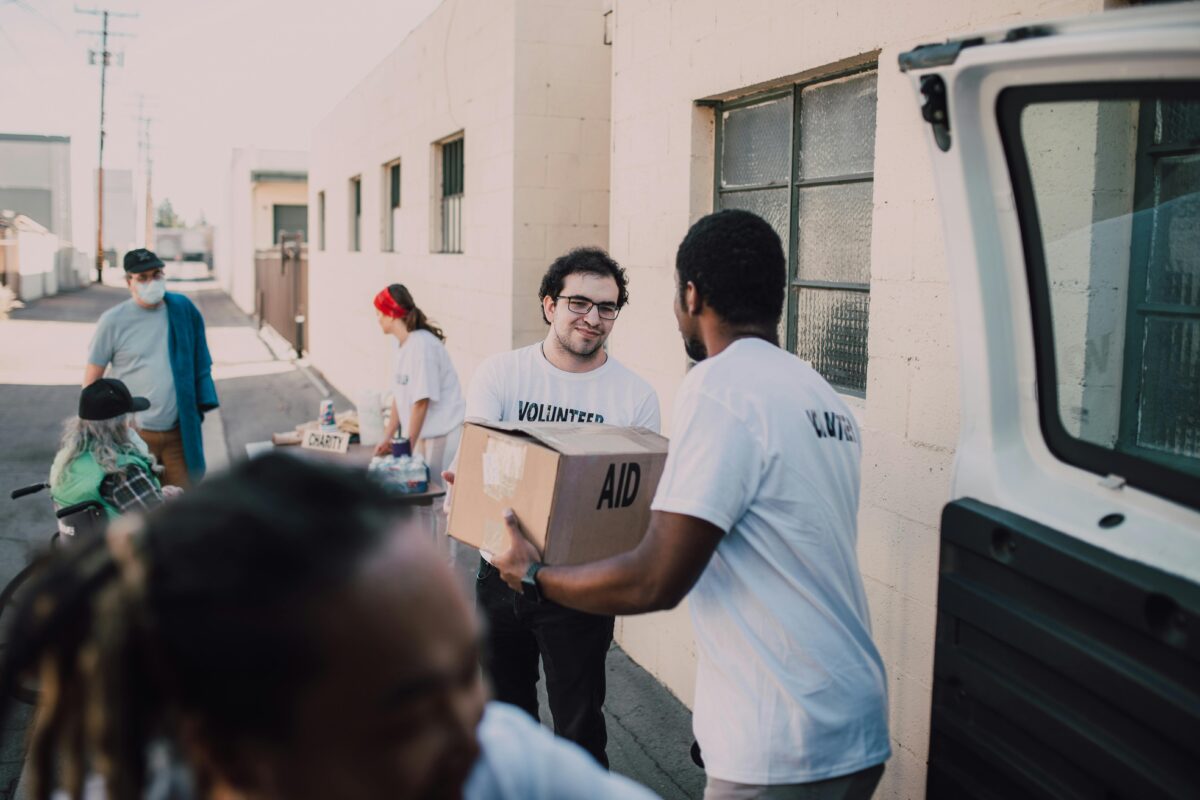
Kind people often try to prove they are safe by becoming useful. They offer rides, favors, advice, emotional labor, and last-minute help before the relationship has enough history to hold that much giving. At first, this looks generous, but over time, it can create pressure instead of closeness.
Healthy friendship grows through gradual reciprocity. When one person gives too much too soon, the other person may feel indebted, overwhelmed, or unsure how to respond.
The giver may also start feeling quietly disappointed when the same level of effort does not yield the same results.
This behavior becomes even more painful because kind people rarely admit they are keeping score. They tell themselves they are simply being nice, but resentment builds when the friendship stays shallow.
The problem is not kindness itself. The problem is offering deep loyalty to people who have only shown casual interest.
They Become the Listener but Never the Known Person

Kind people often make excellent listeners. They ask thoughtful questions, remember birthdays, notice mood changes, and give people room to talk. That can make them comforting to be around, but it can also trap them in the role of emotional support.
A friendship becomes unbalanced when one person always listens and rarely reveals. The other person may enjoy the safety but never learn the listener’s fears, dreams, opinions, or private struggles. Over time, the kind person becomes valuable but not truly known.
Stable, healthy friendships support well-being and longevity, and the quality of friendships matters as much as having people around.
That means kindness needs visibility. People cannot build closeness with someone who only nods, comforts, and disappears behind everyone else’s emotions.
They Overthink Every Social Signal
Kind people who struggle to make friends often read too much into small changes. A shorter text feels like rejection. A missed invitation feels personal. A delayed reply becomes evidence that they are unwanted.
This overthinking usually comes from sensitivity, not arrogance. They care deeply about how others feel, so they scan for signs of disapproval. The trouble begins when scanning turns into storytelling. Instead of asking what happened, they assume the worst and retreat.
Social connection needs repetition. It also needs enough emotional steadiness to survive ordinary human inconsistency. People get busy, distracted, tired, and overwhelmed. When kind people interpret every gap as proof of rejection, they may leave friendships before those friendships ever get a fair chance to grow.
They Hide Their Needs to Seem Easy to Love
Some kind people believe being low-maintenance makes them more lovable. They do not ask for help. They do not say they are lonely. They do not admit when they need reassurance, company, or support.
This creates a painful misunderstanding. Others may assume they are independent and emotionally fine. The kind person then feels abandoned by people who never realized they were needed.
Friendship grows when people allow others to contribute. Asking for help is not a burden when it happens with respect and balance. It gives the other person a chance to show care, and that shared care is what turns a casual connection into a real friendship.
They Mistake Being Needed for Being Chosen
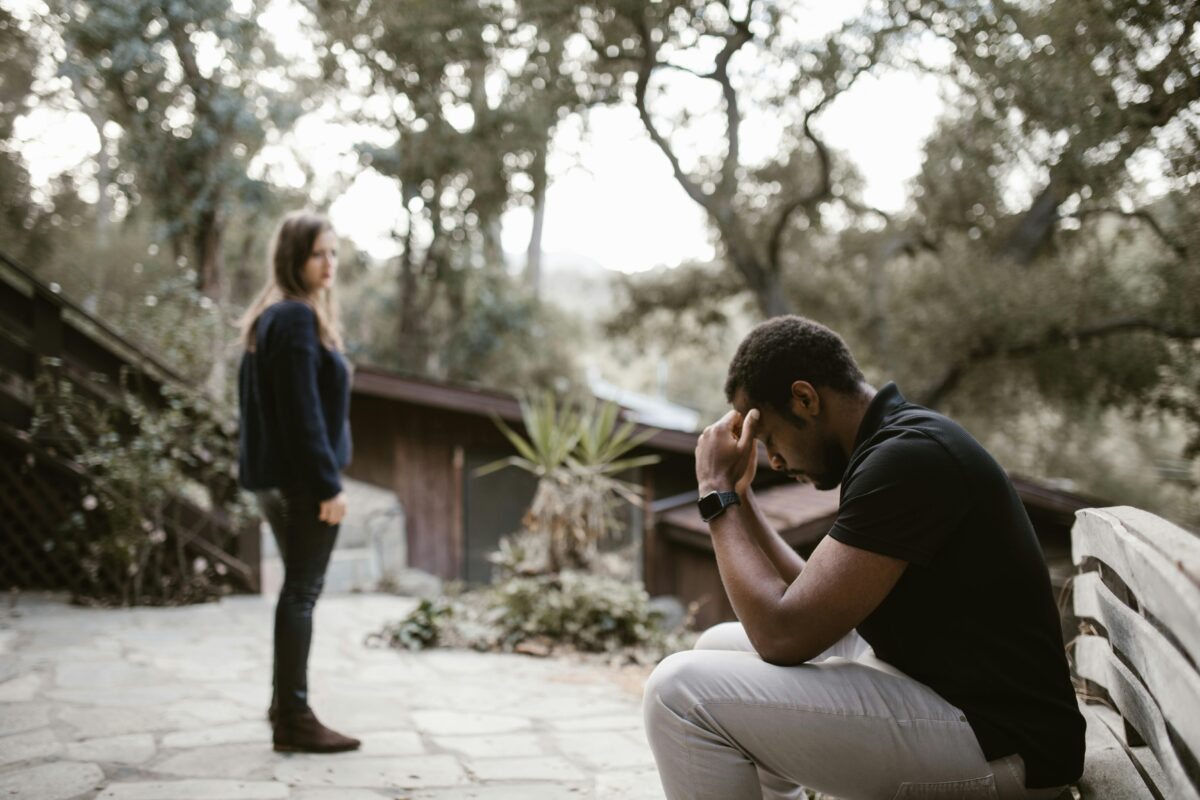
Kind people can attract people who enjoy their support but do not truly invest in them. These people call during a crisis, vent for an hour, receive advice, and disappear once they feel better. The kind person may confuse that intensity with intimacy.
Being needed can feel like belonging, especially for someone who has felt overlooked. Yet need-based connections often collapse when the crisis ends. The friendship does not become mutual because it was built around one person’s emotional convenience.
The difference is simple but important. A person who needs you may reach out only when life is falling apart. A person who chooses you also wants your joy, your stories, your presence, and your ordinary Tuesday afternoon.
They Wait for Others to Initiate Every Step
Kind people sometimes assume that initiating too often will make them look desperate. They wait for invitations, wait for texts, wait for someone else to define the friendship. Then they feel hurt when people do not show up with the clarity they secretly need.
Adult friendship often requires direct effort. People are busy, scattered, anxious, overworked, and distracted by digital life. Passively waiting can make a kind person look uninterested, even when they are desperately hoping to be included.
This is where small initiatives matter. Sending a simple check-in, suggesting coffee, or following up after a good conversation can create momentum. Friendship rarely arrives fully formed. We usually build it through repeated, ordinary bids for connection.
They Choose Emotional Safety Over Real Vulnerability

Kind people may be warm, but warmth is not always the same as vulnerability. They can smile, encourage others, and keep conversations pleasant without revealing anything risky.
They may fear that showing disappointment, insecurity, ambition, anger, or sadness will make them less liked.
The problem is that closeness needs texture. People bond through more than politeness. They bond through shared honesty, imperfect moments, personal stories, and the feeling that both sides are allowed to be human.
A kind person may know many people but still feel lonely when every interaction stays safe, smooth, and emotionally shallow.
They Stay Loyal to People Who Offer Very Little Back

Kindness can become self-abandonment when loyalty has no standards. Some kind people keep reaching out to friends who cancel, ignore, mock, drain, or only appear when they need something. They call it patience, but deep down, it feels like begging for crumbs.
This habit can block better friendships. Emotional energy is limited. When someone spends most of it chasing inconsistent people, they have less room for those who would actually meet them halfway.
The American Psychiatric Association reported in 2024 that 30% of adults said they felt lonely at least once a week during the previous year, and 10% said they felt lonely every day.
That loneliness can make weak connections feel better than no connection at all. Still, a half-present friendship can keep a kind person stuck in the same ache they are trying to escape.
How Kind People Can Build Stronger Friendships Without Becoming Less Kind
The solution is not to become colder. Kindness is still a strength. The better move is to make kindness more honest, more mutual, and more selective.
A kind person can start by giving at the speed of trust. That means offering warmth early, but saving deep emotional labor, sacrifice, and loyalty for people who show consistency. It also means paying attention to how a person responds when the kind person finally has needs of their own.
Boundaries also make kindness easier to sustain. Saying no clearly, asking for what matters, and naming small hurts before they grow into larger ones can protect the relationship from silent damage. People who belong in a kind person’s life will not require endless self-erasure as the price of connection.
Friendship also needs action. We cannot expect people to guess our loneliness, read our minds, or build closeness on their own. A message, an invitation, a follow-up, or an honest “I’d like to stay in touch” can move a connection from pleasant to meaningful.
Conclusion
Kind people who struggle to make friends are not always doing something wrong. Many are simply using old survival habits in new social situations. They give too early, hide too much, avoid conflict, overthink signals, and stay loyal to people who do not return their care.
The most powerful shift is not becoming less kind. It is becoming more visible. When kindness includes boundaries, honesty, selectiveness, and the courage to be known, friendship has something real to grow around. Real connection does not ask kind people to shrink. It asks them to show up as fully as they have for everyone else.