Tourists Are Choosing Mexico While the U.S. Watches Travel Money Slip Away
Mexico is having the kind of tourism moment every country wants, and the United States is feeling the contrast. Across North America, travelers are still packing bags, booking flights, and spending heavily, but more of that momentum is moving south.
This is not just about beaches, resorts, or cheaper tacos by the water. It is about a bigger shift in where international travelers feel excited, welcomed, and financially comfortable spending their vacation money. Mexico is turning that demand into growth, while the U.S. is being forced to ask why its powerful travel machine is not pulling in visitors the way it should.
Mexico Is Winning the North American Travel Story

The numbers tell a simple story. Mexico’s travel and tourism sector grew faster than the United States and Canada in 2025, giving the country a major bragging right at a time when global travel demand is rising again.
According to industry data, Mexico’s travel and tourism GDP grew 1.8 percent in 2025. That may sound modest, but it was still stronger than the U.S. at 0.9 percent and Canada at 1.2 percent. In a region filled with major airports, famous cities, national parks, cruise ports, and sports events, Mexico managed to stand out.
That matters because tourism is not just about hotel rooms. It supports restaurants, transport workers, airport staff, tour guides, local shops, construction, entertainment, and small businesses that depend on visitors walking through the door with money to spend.
The U.S. Still Has Size, But Mexico Has Momentum
The United States remains the world’s biggest travel and tourism economy, so this is not a story about America collapsing as a destination. The U.S. still has New York, Las Vegas, Orlando, Los Angeles, Miami, national parks, theme parks, sports, concerts, and business travel power.
But size alone does not win the next traveler. Momentum does.
Mexico is gaining attention because it offers something many travelers are chasing right now: strong vacation value, warm weather, easy resort options, major cultural cities, food tourism, and a sense of escape without the same cost pressures many visitors associate with U.S. trips.
For families watching budgets, that matters. For younger travelers choosing between an expensive U.S. city break and a longer vacation in Mexico, that matters even more.
Visitor Spending Is the Real Warning Sign

The sharpest part of this story is not only who is arriving. It is who is spending.
Mexico recorded growth in international visitor spending in 2025, while the U.S. saw it decline. That is the part American cities, hotels, restaurants, and retailers should be watching closely.
International tourists are valuable because they often spend across many parts of the economy. They book flights, stay for multiple nights, eat out, shop, visit attractions, pay for transport, and sometimes add extra cities to a single trip. When those visitors choose Mexico instead of the U.S., the impact does not stay at the airport. It reaches workers and businesses on the ground.
A missed tourist is not just one empty hotel room. It can mean fewer meals served, fewer rides booked, fewer tickets sold, and fewer tips earned.
Mexico Is Selling More Than Beaches
It would be too easy to say Mexico is winning because of Cancun and beach resorts. Those places still matter, but Mexico’s appeal as a travel destination has broadened.
Mexico City has become a major global destination for food, art, nightlife, design, and culture. Los Cabos continues to attract luxury travelers. Puerto Vallarta and Riviera Nayarit appeal to beach lovers. Oaxaca draws visitors seeking food, history, and local identity. The Riviera Maya remains a powerful magnet for resort vacations.
That variety gives Mexico an advantage. It can speak to honeymooners, backpackers, families, luxury travelers, digital workers, food lovers, and culture seekers all at once.
The U.S. has variety, too, but Mexico is currently doing a better job of turning that variety into fresh travel energy.
Cost Is Becoming a Bigger Travel Decider
Travelers are not only asking where they want to go. They are asking what their money can actually buy when they get there.
That question often favors Mexico. A traveler comparing hotel prices, food costs, entertainment, local transport, and overall vacation experience may find Mexico easier to justify than a major U.S. city.
This does not mean Mexico is “cheap” everywhere. Some luxury areas are expensive, and popular destinations can still stretch a budget. But for many visitors, Mexico still offers a stronger feeling of value. They may get more nights, better weather, more meals out, and a fuller vacation experience for the same amount they would spend on a shorter U.S. trip.
That value gap is powerful, especially when inflation has made travelers more careful.
The U.S. Has a Welcome Problem to Fix
The U.S. travel industry is not only competing on landmarks. It is competing on feeling.
Travel leaders have warned that America must work harder to appear welcoming, easy to visit, and worth the cost. That includes concerns around visa wait times, entry friction, international perception, and whether travelers feel excited or anxious about planning a U.S. trip.
That is a serious issue because travel is emotional. People choose destinations based on safety, price, convenience, curiosity, and comfort. If the process feels complicated or the mood feels cold, many travelers simply pick another country.
Mexico benefits when the U.S. feels harder, more expensive, or less inviting. In today’s travel market, convenience can be just as important as beauty.
Canada’s Drop Adds More Pressure
The U.S. decline in inbound travel was driven in part by fewer visits from Canada, one of America’s most important visitor markets. That is a big deal because Canadian travelers are not distant tourists who need a once-in-a-lifetime reason to visit. They are close, frequent, and economically important.
When fewer Canadians cross into the U.S., border states, hotels, shopping centers, restaurants, casinos, and vacation towns feel it quickly. These are not abstract numbers. They show up in weekend bookings, retail sales, gas stops, and local tourism jobs.
Mexico, meanwhile, has captured more of the regional travel excitement. That makes the U.S. problem look less like a global slowdown and more like a competitiveness issue.
The World Cup Could Change the Race
The 2026 FIFA World Cup gives North America a huge opportunity. The tournament will be hosted across the United States, Mexico, and Canada, giving all three countries a rare chance to attract global attention simultaneously.
For the U.S., this is a chance to repair the story. Major sports events can bring international visitors, media coverage, hotel demand, and repeat travel interest. But the opportunity will not work on its own. Visitors still need smooth entry, clear information, strong transport, fair pricing, and a reason to come back after the final whistle.
For Mexico, the World Cup is more fuel for a travel engine that is already running hot. The country does not need to prove it can attract visitors. It needs to show it can turn the spotlight into longer stays, wider regional travel, and deeper spending.
Why This Should Worry American Travel Cities
The U.S. cannot afford to treat this as a minor tourism headline. International travel supports jobs and fills gaps that domestic travel cannot always cover.
Domestic travelers are important, but international visitors often spend more per trip and stay longer. When they pull back, cities can still look busy while losing some of their most valuable spending. That is the danger for America. A crowded airport or packed theme park does not always mean the international market is healthy.
Places like New York, Miami, Las Vegas, Los Angeles, Orlando, and border destinations depend heavily on the world seeing America as worth the trip. If that image weakens, the damage can spread slowly, then suddenly.
Mexico’s Boom Is a Message America Should Not Ignore
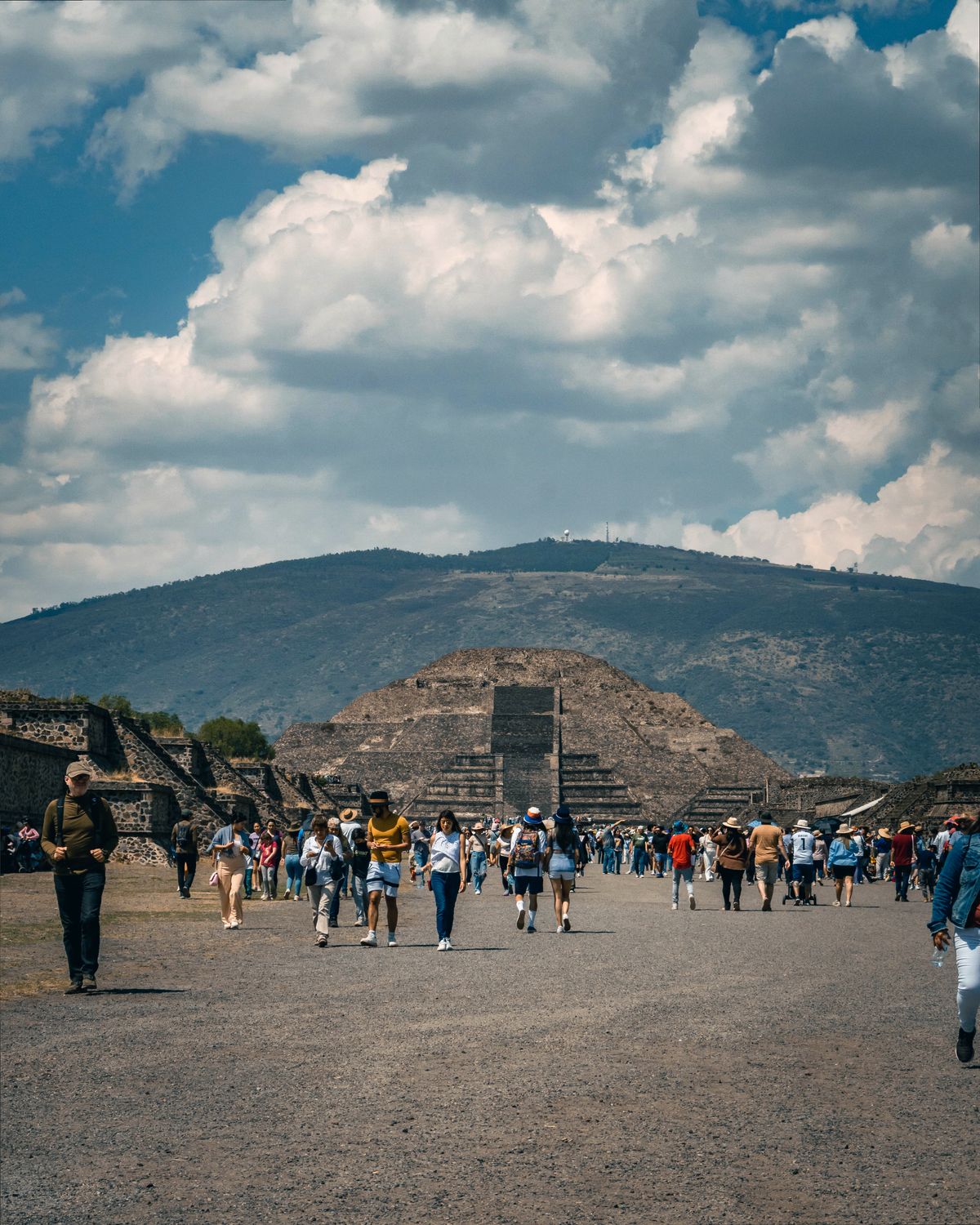
Mexico’s rise is not a fluke. It reflects a travel market where visitors are comparing value, mood, access, and experience more carefully than before.
The U.S. still has unmatched tourism power, but power can become comfortable. Mexico is showing what happens when a destination feels fresh, flexible, and attractive to travelers who want more for their money.
The real question now is not whether America can remain a major travel giant. It can. The bigger question is whether it can win back the excitement of international travelers before more of them decide their next unforgettable trip should start somewhere else.