What Moraine Valley’s $115 Million Bond Referendum Means for Voters
If you hear “$115 million building bond” and your first thought is, “Okay, but what does that actually mean for me?” you are asking the same practical question many voters have when a major public project appears on a ballot.
The proposed Moraine Valley Community College District 524 referendum asks voters to decide whether the college should be allowed to issue $115 million in community college building bonds. According to the board agenda reviewed for this project, the proposal was tied to the Nov. 3, 2026 general election.
Before getting into the details, one important note: the records reviewed did not confirm the exact wording voters will see on the ballot. The board agenda described a proposed resolution about issuing $115 million in bonds, but that description is not necessarily the final ballot language.
So, what is this proposal about?
The simple version
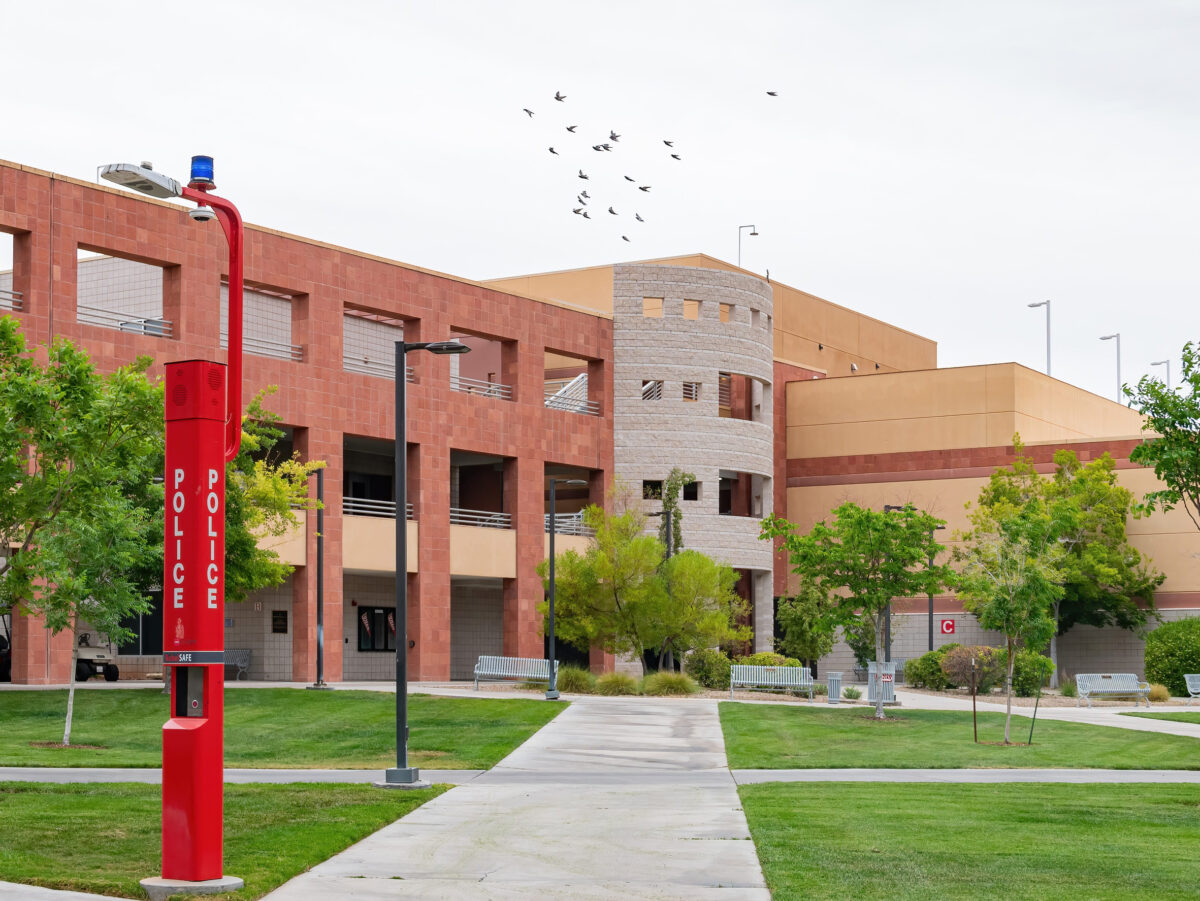
The college is planning major upgrades focused mainly on career and technical education spaces. The biggest project connected to the proposal is a new Center for Advanced Manufacturing and Technology. Other planned improvements involve Fire Science, Emergency Medical Services, and renovations that would help reorganize existing campus space.
Think of it less like a single classroom renovation and more like updating the facilities where students learn hands-on skills: operating equipment, repairing vehicles, working with technology, responding to emergencies, and training for technical careers.
College planning documents describe a roughly 94,000-square-foot advanced manufacturing and technology center as the major facility associated with the potential referendum.
Why does the college say it needs new space?
College officials say several programs are running into space limitations. For example, officials have said Fire Science and EMS need additional instructional and training space, while Automotive Technology, welding, automation, and engineering technology programs need expanded labs, shops, or updated facilities.
The college argues that modern technical education requires modern spaces. A welding student, automotive student, or emergency-services trainee does not learn only from textbooks. These programs depend on equipment, labs, simulation areas, and work environments that resemble what students will encounter after graduation.
College officials have also described some existing technical facilities as fragmented and outdated. Those comments should be understood as the college’s assessment of its own facilities and needs.
What would the money pay for?
The answer is a little more complicated than “a new building.” State capital-planning documents the college reviewed include estimated costs for several possible projects. The advanced manufacturing and technology center was estimated at about $94.8 million, including construction-related costs, design, contingency funds, furnishings, and equipment. A public-safety center renovation and addition was estimated separately at about $37.5 million.
That does not mean the $115 million bond automatically covers every project in the broader facilities plan. The reviewed documents note that the first two project estimates together exceed the proposed bond authorization, so the final scope, funding sources, or timing would need to be clarified.
In other words, the bond proposal and the college’s larger wish list are related, but they are not necessarily identical.
What about taxes?

This is probably the question many homeowners will care about most: “How will this affect my property tax bill?”
The college has said its strategy is to line up possible new bond payments with the end of existing debt payments. College counsel explained that the goal was to reduce the change in the annual debt-service levy.
However, the reviewed records did not confirm a specific homeowner impact. The available information did not include an official tax-impact table showing the change for homes at different values, nor did it confirm the final repayment period, interest rate, or total principal and interest taxpayers would pay.
So if you are looking for an exact number, such as “this will cost a homeowner with a $300,000 house X dollars per year,” that information would require the final bond-financing documents.
Who gets to vote?
The referendum applies to voters within Moraine Valley Community College District 524. The district includes all or parts of 26 southwest suburban Cook County communities.
Living in one of those communities does not automatically mean you will see the question on your ballot, especially in places that are only partially inside the district. Voters should check their address through official election resources to confirm whether they are eligible to vote on the referendum.
What should voters watch for next?
Before election day, several pieces of information will help clarify the proposal: the certified ballot wording. A final project budget.A bond repayment schedule.Official tax-impact examples. Details about exactly which projects are included.
Right now, the biggest takeaway is this, Moraine Valley is asking District 524 voters to approve borrowing up to $115 million for major facility improvements, especially career and technical education spaces. The college says the investment would address current space challenges and support workforce training. The final details voters need to evaluate the financial impact still depend on documents not yet released or confirmed in the records reviewed.