13 Hot Dog Grilling Mistakes That Can Ruin Your Cookout (and How to Fix Them)
Hot dogs seem like the easiest food on the grill. Toss them on, rotate a few times, throw them in a bun, and call it dinner, right? That casual approach is exactly why so many backyard cooks accidentally end up with dry, split, unevenly cooked, or disappointing dogs.
The good news: grilling great hot dogs does not require fancy equipment or chef-level skills. A few small changes can make a huge difference. Before your next barbecue, avoid these common mistakes and give your guests the kind of hot dog they actually remember.
Assuming every hot dog cooks the same way
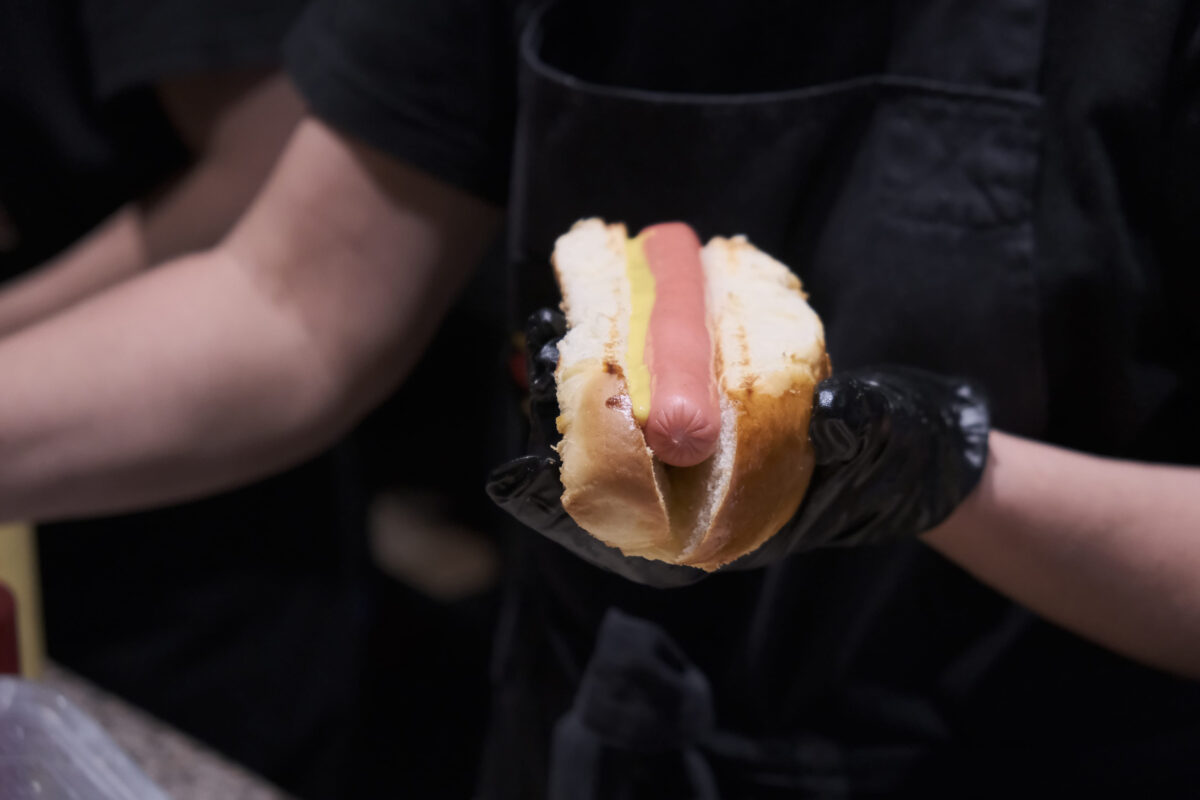
Not every link on the grill is the same. Traditional packaged hot dogs are usually fully cooked, but fresh sausages, “cook before eating” products, and some plant-based options may require completely different handling. Always check the package before cooking.
A standard beef frank might only need a gentle warm-up and some browning, while a raw sausage needs proper cooking time and temperature. Treating every sausage like a basic hot dog is a shortcut that can hurt both quality and safety.
Starting with a dirty grill
Nobody wants a hot dog with yesterday’s burger leftovers stuck to it. Old grease, burnt food bits, and debris can create unpleasant flavors, cause sticking, and even leave unwanted residue on your food.
Before grilling, clean the grates, remove old buildup, check for loose grill-brush bristles, and let the grill heat properly. Clean equipment is one of the easiest ways to improve your results.
Skipping the preheat
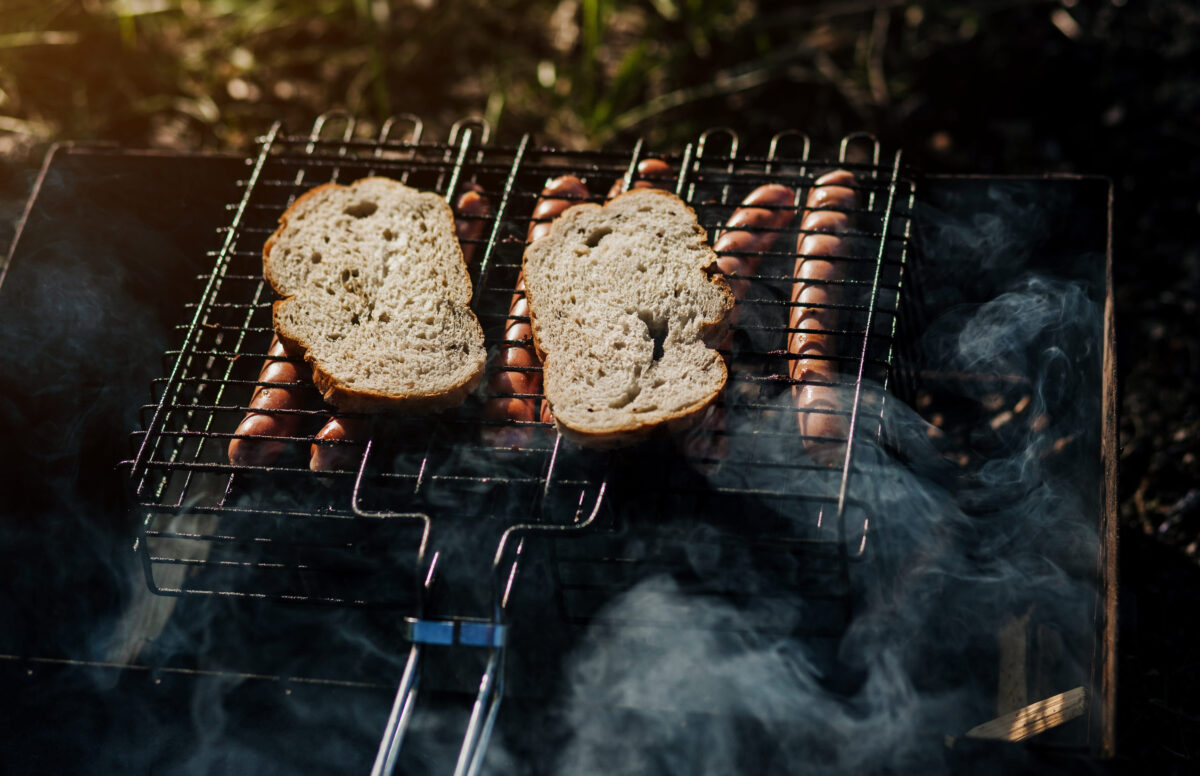
A cold grill is a recipe for pale, uneven hot dogs. When the grates are not hot enough, the dogs warm slowly instead of developing those attractive grill marks everyone wants.
Preheating helps create better browning and reduces the amount of time your food sits over heat. Think of it like warming up before exercise,the grill performs better when it is ready.
Turning the heat up too high
It is tempting to crank the grill because you want those dramatic char marks. But extreme heat can burn the outside before the inside is properly warmed.
The casing may split, juices can escape, and the result can be a dry hot dog with a tough exterior. For conventional hot dogs, controlled medium heat usually works better than blasting them over intense flames.
Using only direct heat
A two-zone grill setup,one hotter side and one cooler side,gives you much more control. Hot dogs can brown over direct heat and then move to a cooler area if they need more gentle heating.
This is especially helpful for larger links, natural-casing dogs, or sausages that need more time.
Walking away from the grill
Hot dogs cook quickly, which makes them easy to underestimate. A few minutes of distraction while preparing toppings or drinks can turn perfectly browned dogs into burnt ones.
Keep your tools nearby, stay close, and rotate your hot dogs as needed.
Turning too little
A hot dog is round, not flat. Giving it only one flip often creates one dark side and several pale sides.
Use tongs to roll the dogs gradually so they brown more evenly. Frequent, controlled turning is especially useful for natural-casing hot dogs because it helps reduce splitting.
Cutting or piercing every hot dog
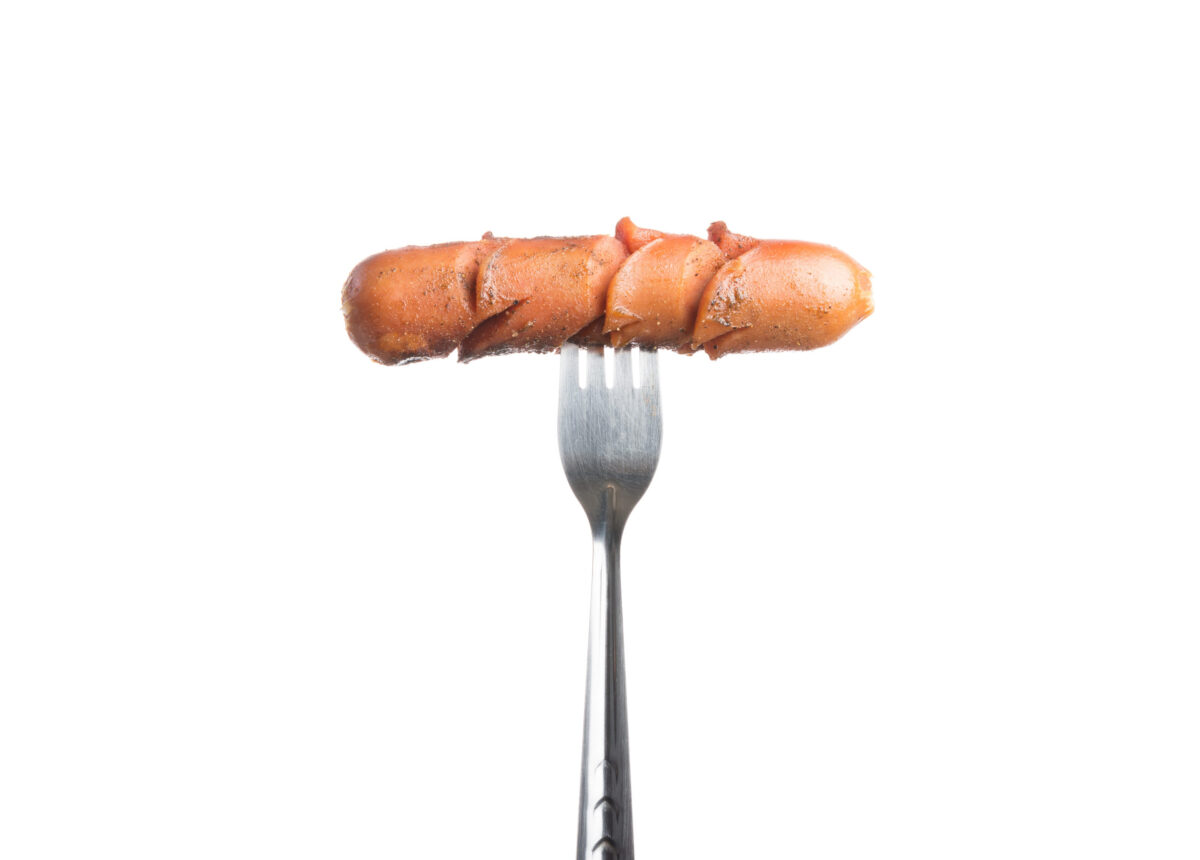
Some cooks swear by spiral cuts or fork holes, but it is not always the best move. Cutting creates more surface area for browning, but it can also allow moisture and fat to escape.
If maximum juiciness is your goal, keeping the hot dog intact is often the safer choice. If you love crispy edges and extra space for toppings, shallow cuts can be a fun option.
Treating frozen hot dogs like refrigerated ones
Frozen food needs a little more patience. Throwing frozen dogs directly onto high heat can leave you with a browned outside and a cold center.
For the most predictable results, thaw safely in the refrigerator, cold water, or microwave according to food-safety guidance.
Overcooking until they split
A dramatic split casing might look like “grill perfection,” but it often means moisture has escaped. Overcooked hot dogs can become wrinkled, dry, and chewy.
Remove them when they are heated through and nicely browned instead of leaving them over the flames just because the grill is still running.
Trusting grill marks instead of checking heat
A dark exterior does not always mean the inside is ready. This matters even more when cooking raw sausages, where appearance alone cannot confirm safe cooking.
For fully cooked hot dogs, USDA guidance recommends reheating until steaming hot or 165°F, especially for people at higher risk of foodborne illness. Raw sausages require different temperature targets depending on the type of meat.
Mixing raw and cooked foods
One of the easiest cookout mistakes is using the same plate, tongs, or cutting board for raw meat and finished hot dogs.
Keep raw ingredients separate, wash hands and tools, and never place cooked food back onto a surface that held raw meat. Cross-contamination does not change the appearance or taste of food, which makes it especially tricky.
Letting hot dogs sit out too long
A summer picnic can last for hours, but food safety still matters. Keep refrigerated hot dogs cold until grilling, and keep cooked food at safe holding temperatures when serving.
“Fully cooked” does not mean “safe forever at room temperature.”
The perfect grilled hot dog is really about balance, enough heat for flavor, enough patience for even cooking, and enough attention to avoid simple mistakes. With a clean grill, moderate heat, proper turning, and a little preparation, your next cookout can deliver hot dogs that are juicy, flavorful, and worthy of a second helping.