10 Things Boomers Did Every Day in 1970 That No One Does Now
In 1970, the oldest baby boomers were in their mid-20s, and the youngest were small children. The country was living through enormous change, from the Vietnam War and the first Earth Day to the Apollo moon missions and the rise of rock music. Yet daily life at home still followed routines that had barely changed in decades.
Families got their news from the morning paper and the evening broadcast. Telephones were attached to the wall. Shopping meant driving to the store with a list written on the back of an envelope. Many of the small tasks people did every day would seem strange, slow, or even impossible to younger Americans now.
Technology, convenience, and changing habits have erased many of those routines. Here are ten things boomers did every day in 1970 that almost no one does now, and why they still bring back memories.
1. Read the Morning Newspaper
In 1970, most American households received a daily newspaper. Families read it over breakfast, passing sections back and forth. Dad might take the sports page, Mom the local news, and the kids the comics.
Newspaper circulation in the United States was near its peak around that time, with more than 60 million copies sold each weekday. According to the Pew Research Center, weekday circulation has fallen dramatically since then as people moved to television and later the internet. Today, many people read the news on their phones, and the daily paper on the doorstep has become a rare sight.
2. Answer a Phone Attached to the Wall
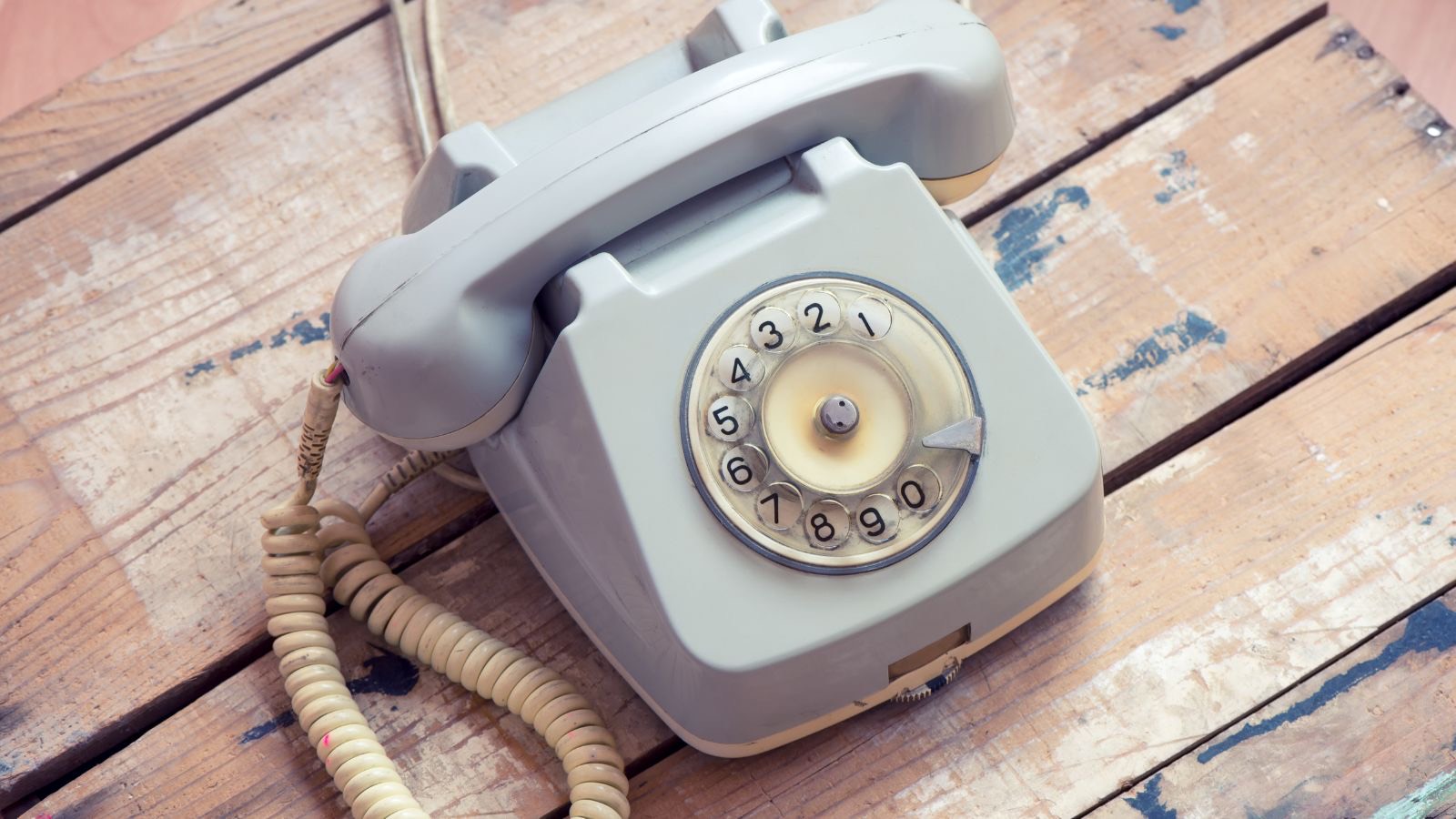
In 1970, the family telephone was usually attached to the kitchen wall or sat on a table in the hallway. It had a rotary dial and a long, curly cord that stretched across the room. Everyone in the house shared it.
There was no caller ID, so answering the phone was always a surprise. Teenagers stretched the cord into a closet for privacy, and parents yelled at them for tying up the line.
Today, many homes no longer have a landline at all. Most people carry their own phone everywhere they go.
3. Write Letters by Hand
Before email and text messages, people stayed in touch by writing letters. Boomers wrote to grandparents, pen pals, and friends who had moved away. Soldiers serving in Vietnam waited eagerly for letters from home.
A stamp cost six cents for most of 1970, and the mailbox was checked every day with anticipation. Receiving a handwritten letter was a highlight of the week.
Today, handwritten letters are rare, though many people still treasure the ones they saved. Many people keep old letters and childhood keepsakes for decades.
4. Watch Television on a Schedule
In 1970, there were only three major television networks: ABC, CBS, and NBC. If you wanted to watch a show, you had to be in front of the TV when it aired. Missing an episode meant waiting for a summer rerun.
Families gathered around the set in the evening to watch programs like “The Ed Sullivan Show,” “Gunsmoke,” and “The Brady Bunch.” TV Guide was the essential way to know what was on.
Today, streaming services allow people to watch whatever they want, whenever they want. The idea of scheduling your evening around a TV show seems old-fashioned.
5. Get Up to Change the Channel
Many TV sets in 1970 did not have a remote control. To change the channel, someone had to get up, walk to the set, and turn a dial. Kids were often assigned this job.
The television also had an antenna that sometimes needed adjusting to get a clear picture. Many families had rabbit ears on top of the set or an antenna on the roof. Remote controls became common in the 1980s, and today most people have never turned a channel dial.
6. Use Cash or Write Checks
In 1970, most purchases were made with cash or checks. Credit cards existed, but they were not widely used for everyday shopping. Debit cards and online payments did not exist.
People carried cash in their wallets and balanced their checkbooks by hand. Going to the bank meant standing in line to talk to a teller.
Today, many people rarely carry cash. Cards, phones, and apps have replaced most cash transactions.
7. Develop Film to See Photos
Taking photos in 1970 meant using a film camera. People bought rolls of film, took pictures, and then dropped the film off at a drugstore or photo shop to be developed. It could take days to see the results.
Because film was expensive, people were careful about how many photos they took. Family photos were often saved for special occasions like birthdays and holidays.
Today, people take hundreds of photos on their phones and see them instantly. Developing film has become a niche hobby.
8. Look Things Up in an Encyclopedia
When a boomer kid needed to write a school report in 1970, they turned to the family encyclopedia or headed to the library. Many families bought sets of encyclopedias from door-to-door salesmen, paying in installments.
Looking things up took time and effort. Kids flipped through heavy volumes, took notes by hand, and sometimes copied whole paragraphs.
Today, information is available instantly online. Many printed encyclopedias have stopped publishing new editions.
9. Hang Laundry on the Clothesline
Many families in 1970 still hung laundry outside on a clothesline. Even homes with electric dryers often used the line on sunny days to save money. Sheets dried in the breeze and smelled fresh.
Hanging laundry was a daily chore in many households. Kids helped pin clothes to the line and take them down when they were dry.
Today, most families use electric dryers, and some neighborhoods even ban clotheslines. Many older adults still miss the smell of line-dried sheets. It is one of the simple pleasures in life we often overlook.
10. Play Outside Until Dark
For boomer kids in 1970, after-school hours were spent outdoors. They rode bikes, played tag, built forts, and explored the neighborhood with friends. Parents often had no idea exactly where they were.
Kids were expected to come home when the streetlights came on. There were no cell phones to check in with parents.
Today, many children spend more time indoors, often in front of screens. Many boomers say their outdoor childhood gave them independence and resilience. It is one of the things only people who grew up in the 70s will understand.
Why These Routines Disappeared
Many of these daily routines disappeared because of new technology. Computers, cell phones, and the internet changed how people communicate, shop, and get information. Many tasks that once took time and effort can now be done in seconds.
At the same time, some of these routines were tied to a slower pace of life. Many boomers say they miss the simplicity of those days, even if modern life is more convenient.
A Window Into the Past
Looking back at daily life in 1970 is a reminder of how much the world has changed. Boomers lived through an era of enormous transformation, from rotary phones to smartphones.
Which of these daily routines do you miss the most, and which are you glad to leave behind? Many readers say they would happily go back to line-dried sheets but never to the rotary phone.