Texas Farmers Market Shoppers Beware: 6 Foods You Should Never Store Together (They Spoil Faster)
A trip to a Texas farmers market in late summer or early fall often brings home a colorful mix of produce that does not fit neatly into one season. While pumpkins and winter squash are beginning to appear, many markets are still filled with warm-weather favorites like tomatoes, cucumbers, peppers, okra, zucchini, onions, eggplant, leafy greens, and fresh herbs. Recent vendor listings from Texas Farmers Market showed a September lineup featuring vegetables such as okra, small tomatoes, cucumbers, jalapeños and other peppers, zucchini, yellow squash, onions, eggplant, lettuce, arugula, and herbs at its Bell and Mueller markets.
At the same time, Dallas Farmers Market has already started its Texas pumpkin season with Florida-grown pumpkins and more than 25 varieties of pumpkins and squash, marking the transition from summer harvests into fall flavors. But after bringing home a beautiful market haul, one question matters: Where should everything go? Not every fruit and vegetable belongs in the same bowl, drawer, or storage area. Some produce releases ethylene, a natural ripening gas that can speed up changes in nearby sensitive foods. Other combinations create odor problems that affect flavor and quality. Keeping certain foods separate can help your farmers market purchases stay fresher longer.
Tomatoes and Cucumbers
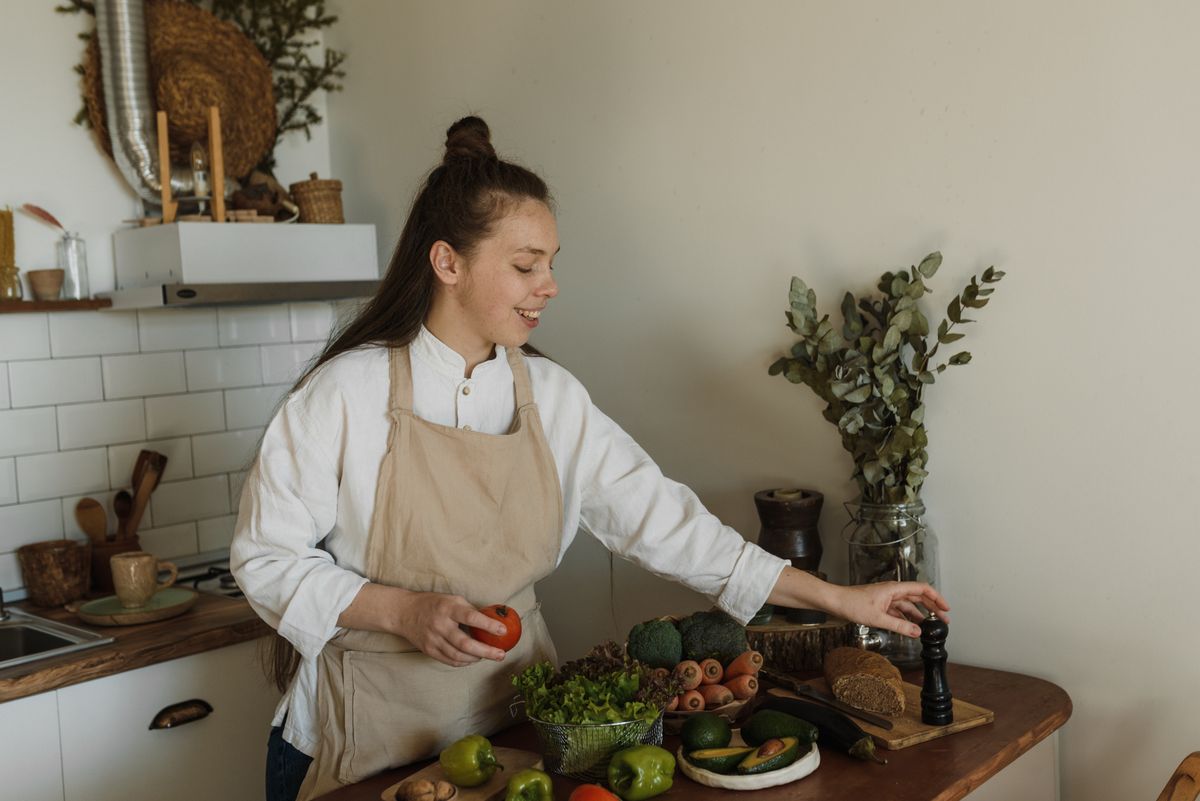
Tomatoes and cucumbers are a classic farmers market combination, but storing them together may not be ideal. Why keep them apart?
Tomatoes produce ethylene as they ripen, while cucumbers are considered sensitive to ethylene exposure. Too much exposure can speed up quality loss. Instead of placing both items in the same container or produce drawer, give each its own space.
Better storage approach: Keep ripening tomatoes at room temperature away from direct sunlight.Store cucumbers separately in a cool, protected area. Avoid placing cucumbers directly beside ripe tomatoes for extended periods.
Tomatoes and Lettuce
A fresh tomato-and-lettuce salad is one of the easiest ways to use a farmers market haul, but these ingredients have different storage needs. Why keep them apart?
Tomatoes release ethylene, and lettuce is sensitive to that gas. Storing them separately helps preserve lettuce quality and texture.
Better storage approach: Keep whole tomatoes outside the refrigerator while they ripen. Store lettuce and other leafy greens in the refrigerator. Keep tomatoes away from lettuce containers and salad greens. Texas farmers markets often make this pairing tempting because seasonal produce tables can offer both items at the same time. Texas Farmers Market listings included tomatoes, lettuce, and arugula among available September produce.
Tomatoes and Peppers
Fresh tomatoes and peppers are another common farmers market combination, especially in Texas kitchens where homemade salsa is a favorite. However, storing them together is not ideal. Why keep them apart? Tomatoes produce ethylene, while peppers are among the crops that can be affected by ethylene exposure.
Better storage approach: Allow tomatoes to ripen separately on the counter. Store peppers in their own refrigerator space. Combine them only when you are ready to prepare your recipe. Jalapeños and other peppers were included among recent Texas farmers market offerings, making this an especially practical storage tip for local shoppers.
Apples and Potatoes
This combination may not come from every Texas farmers market trip, but it is one of the most important general produce storage rules. Why keep them apart? Apples release ethylene, and exposure to fruit ethylene can encourage potatoes to sprout more quickly. Potatoes also have different storage needs. They prefer a dark, cool, dry, and well-ventilated space.
Better storage approach: Store apples separately, ideally in a refrigerator for longer storage. Keep potatoes in a dark pantry, basket, or ventilated container. Avoid placing potatoes beside ripening fruit. Separating these foods helps protect the storage life of both ingredients.
Apples and Dry Onions
The issue with apples and onions isn’t just ripening. It is also about maintaining the best flavor. Why keep them apart? Dry onions can transfer odors during storage, and apples can absorb those smells. The result may be unwanted changes in taste.
Better storage approach: Keep dry onions in a cool, dry, well-ventilated area. Store apples separately from strong-smelling foods. Avoid storing them together in the same container. This is a quality issue rather than a food safety concern, but separating them can help preserve the natural flavors of both foods.
Apples and Cucumbers: Protect Fresh Cucumbers From Ripening Gas
Apples and cucumbers may seem like an unlikely pairing, but they demonstrate an important storage principle. Why keep them apart? Apples produce a lot of ethylene, while cucumbers are sensitive to ethylene exposure.
A fruit bowl filled with apples may be a convenient storage spot, but don’t keep cucumbers nearby for long. Better storage approach: Store apples separately. Keep cucumbers in a cool, protected environment. Avoid mixing fruit storage areas with sensitive vegetables. This simple adjustment can help keep fresh cucumbers in good shape after shopping.
How to Store Your Texas Farmers Market Haul the Right Way
A successful farmers market trip is not only about choosing the freshest produce. It is also about storing each item according to its needs. Some foods belong in the refrigerator. Others maintain better quality at room temperature or in a cool pantry. The goal is not to separate every item in your kitchen, but to understand which combinations may shorten freshness.
Texas markets during the late-summer-to-early-fall transition offer a unique mix of seasonal produce. From okra and peppers to pumpkins and squash, shoppers are bringing home ingredients from two different growing periods at once.
Simple Food Safety Tips After a Farmers Market Visit
Proper storage helps maintain quality, but food safety still matters. The FDA recommends:
- Refrigerating perishable fresh produce at 40°F or below.
- Washing produce under running water before preparing or eating it.
- Avoiding soap, detergent, bleach, or commercial produce washes.
- Refrigerating cut or packaged produce. For Texas shoppers, remember that summer temperatures can be intense. Perishable foods should not sit in heat for long after purchase.
A farmers market haul can become the foundation for fresh salads, roasted vegetables, homemade sauces, soups, and fall-inspired meals. Store each ingredient in the right place—and keep certain produce pairs apart—to enjoy more flavor and value from every market visit.