8 Overrated Chain Restaurants That No Longer Earn Their Price Tag
Casual dining chains once held a reliable place in the American dinner routine. They promised generous portions, recognizable menus, family-friendly atmospheres, and the comforting idea that a meal would feel the same from one location to the next. That promise still drives traffic, but in many cases, the quality, value, and excitement that built those brands have faded.
These chain restaurants still benefit from name recognition, but too often they deliver bland food, tired concepts, and prices that make the disappointment sting even more.
Olive Garden
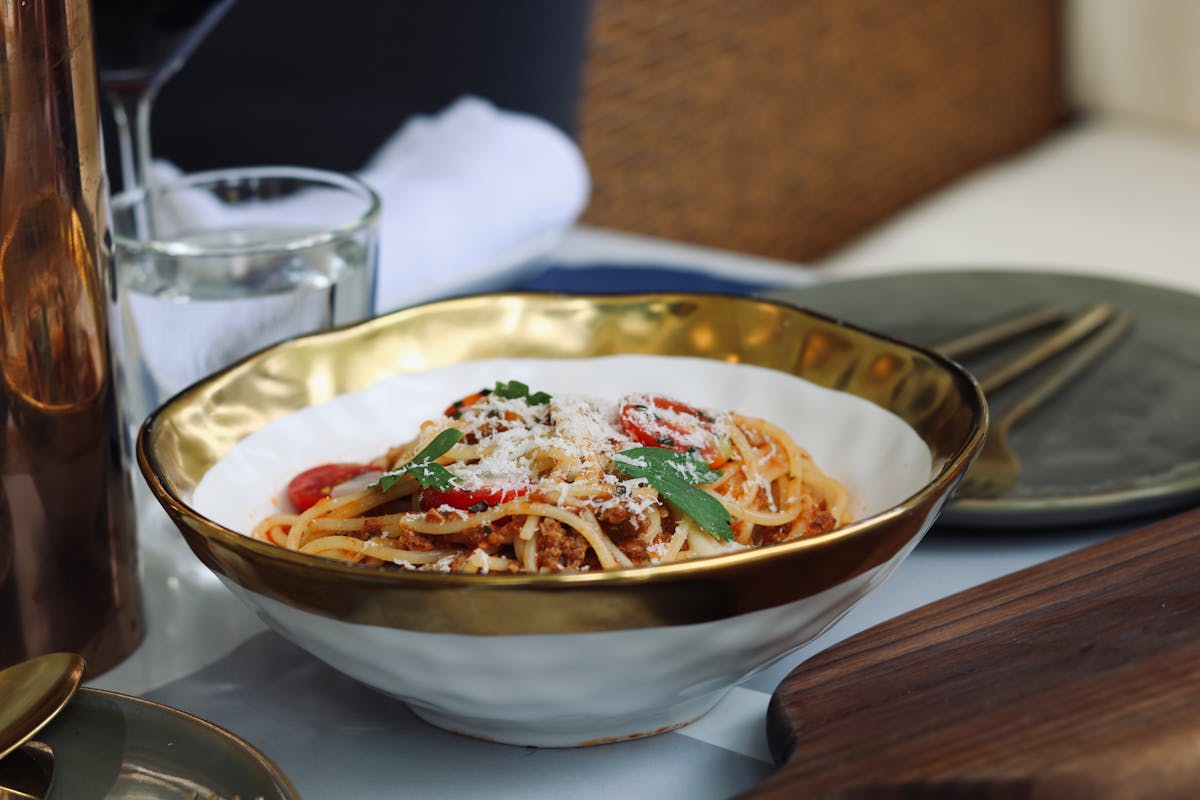
Olive Garden still attracts diners with the promise of endless breadsticks, familiar pasta bowls, and a low-stakes version of Italian American comfort food.
The problem is that comfort only works when the basics are done well, and too often the pasta feels overcooked, the sauces taste flat, and the entrées blur into one heavy, beige lineup. A restaurant built around pasta cannot afford to treat texture like an afterthought.
Outback Steakhouse
Outback Steakhouse built an identity that feels loud, playful, and easy to remember. The themed names, the oversized appetizers, and the promise of hearty steakhouse dining give the brand a strong surface appeal, but the actual food experience often falls short of that marketing energy.
A steakhouse should earn its reputation through precision, and too many diners walk away remembering the onion, not the steak.
Chili’s
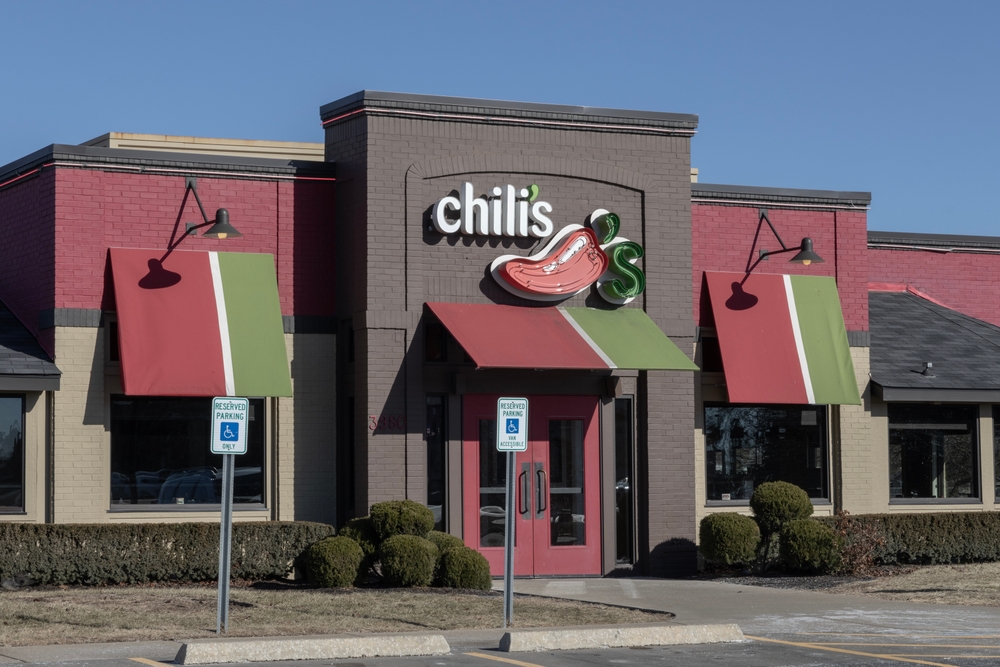
Chili’s sits in a difficult middle ground. It wants to be the place for burgers, ribs, Tex Mex, fajitas, chicken tenders, salads, and party appetizers all at once, but that kind of menu sprawl usually comes at a cost.
The broader the identity becomes, the harder it is to maintain quality, and Chili’s often feels like a brand still chasing a clear culinary purpose.
Red Lobster
Red Lobster remains one of the most recognizable seafood chains in the country, and that familiarity carries emotional weight. For many diners, it was the special occasion seafood restaurant that felt accessible, festive, and slightly upscale without being intimidating.
The trouble is that the brand’s excitement now often lives in memory more than in the meal itself.
Texas Roadhouse
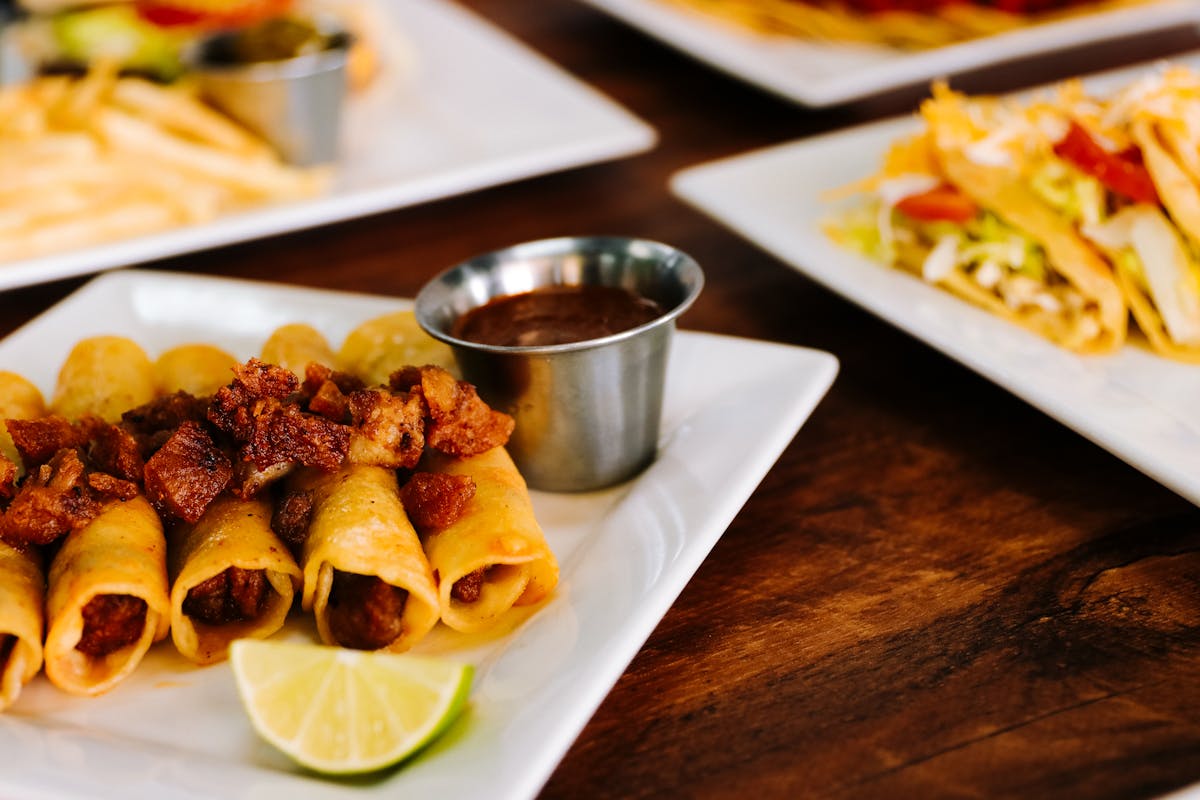
Texas Roadhouse is loud, busy, and built to feel fun. The rolls, the butter, the country soundtrack, and the energetic room all help create the sense that diners are getting a more exciting steakhouse experience for the money.
That atmosphere does a lot of work, and sometimes more than the menu itself.
Applebee’s
Few chains capture the decline of old-school neighborhood casual dining as clearly as Applebee’s. It once represented convenience, affordability, and the easy answer to the nightly question of where to eat. Now it often feels like a brand trapped between identities, too generic to feel interesting and too expensive to feel like a bargain.
Golden Corral
Buffets live or die by maintenance, freshness, and turnover. When those things are handled well, buffets can feel generous and practical, especially for large groups with different tastes. Golden Corral, however, has long struggled with the perception that it values volume over quality, and once that reputation sets in, every tray of food seems to confirm it.
Denny’s
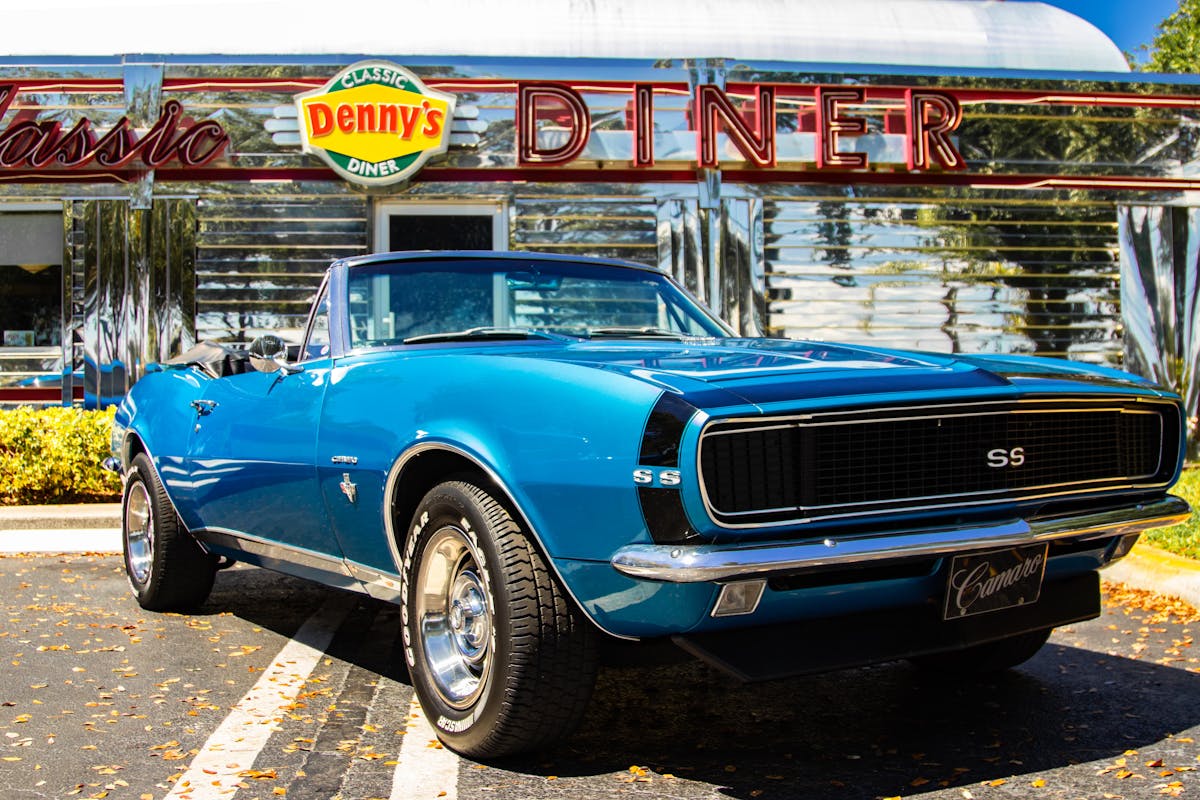
Denny’s occupies a very specific place in the restaurant landscape. It is open when many places are not, easy to spot on the road, and familiar enough that customers know roughly what they are getting.
That kind of availability has value, especially during late nights, road trips, and unpredictable schedules. Still, convenience alone does not make a restaurant good.
Conclusion
When diners spend hard-earned money on sit-down restaurants, they expect more than edible food and a recognizable sign. They expect care, flavor, and a reason to come back that goes beyond bread baskets, biscuits, and old memories.
The chains that understand that difference will keep their place in American dining. The ones that do not will keep filling seats, but leave fewer people truly satisfied.