10 Kitchen Organization Ideas to Help You Declutter Your Space
The kitchen is one of the busiest areas in any home. Between cooking, storing groceries, preparing meals, cleaning dishes, and keeping everyday essentials within reach, clutter can build up quickly. Countertops become crowded, cabinets fill with rarely used items, and drawers can turn into collections of utensils that are difficult to sort through.
A well-organized kitchen doesn’t necessarily require a major renovation or an expensive storage system. In many cases, simple changes can make the space easier to use and maintain. The key is to place frequently used items in convenient locations while removing or relocating things that no longer need to take up valuable kitchen space.
Here are ten practical kitchen organization ideas to help you create a cleaner, more functional space.
Start by Decluttering Your Cabinets and Drawers
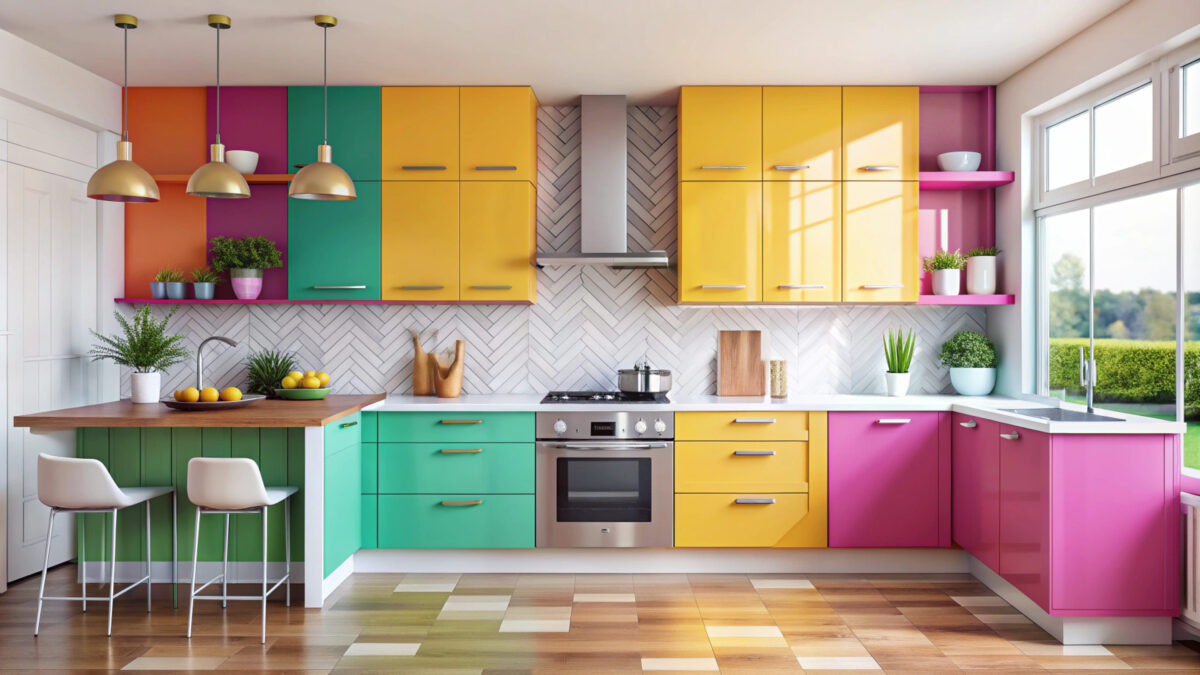
Before purchasing organizers or rearranging shelves, review what you already have. Empty one cabinet or drawer at a time and examine each item.
Look for duplicate utensils, damaged cookware, containers without matching lids, and rarely used appliances. You can donate or give away items that are still useful but not needed in your household. Dispose of broken or unusable products properly.
Working in small sections can make the process more manageable. It also allows you to clean shelves and drawers before returning the items you decide to keep.
Once you remove unnecessary items, organizing the remaining kitchen supplies becomes much easier.
Keep Countertops as Clear as Possible
Kitchen counters provide valuable workspace, so keeping them relatively clear makes meal prep and cleanup easier.
Consider which appliances you actually use every day. A frequently used coffee maker or kettle may deserve a permanent place on the counter, while appliances used only occasionally can often be stored in a cabinet or pantry.
The same principle applies to utensils, food containers, paperwork, and decorative items. Keep only useful or intentionally displayed items on the countertop.
A less crowded counter can also make the kitchen appear larger and more orderly.
Group Similar Items Together
Creating categories is one of the simplest ways to improve kitchen organization.
For example, keep baking supplies together, store breakfast foods in the same area, and place cooking oils and commonly used seasonings near the food preparation area. Assign designated shelves or sections for plates, bowls, mugs, and glasses.
Grouping similar items makes it easier to see what you have and reduces the time you spend searching through cabinets.
It can also help prevent unnecessary purchases because you are more likely to notice when you already have several packages of the same ingredient.
Use Drawer Dividers
Drawers can become disorganized quickly when you store utensils and tools without clear sections.
Drawer dividers or compartment trays can separate cutlery, measuring tools, cooking utensils, and other small kitchen items. Adjustable dividers can be especially useful because you can configure them to fit different drawer sizes.
Try to avoid placing too many categories in a single drawer. A drawer with dozens of unrelated items can still be hard to navigate, even with organizers.
Place frequently used tools in the easiest-to-reach drawers.
Make Better Use of Vertical Cabinet Space
Cabinets sometimes have unused space between shelves, especially when short items sit beneath tall shelves.
Shelf risers can create an additional level for plates, bowls, mugs, canned foods, or pantry ingredients. Stackable containers can also help use vertical space more efficiently.
Another option is to adjust cabinet shelves when the design allows it. Reducing unnecessary gaps between shelves can create room for additional storage levels.
However, avoid stacking items so high that removing something from the bottom becomes inconvenient or unsafe.
Organize Food Storage Containers
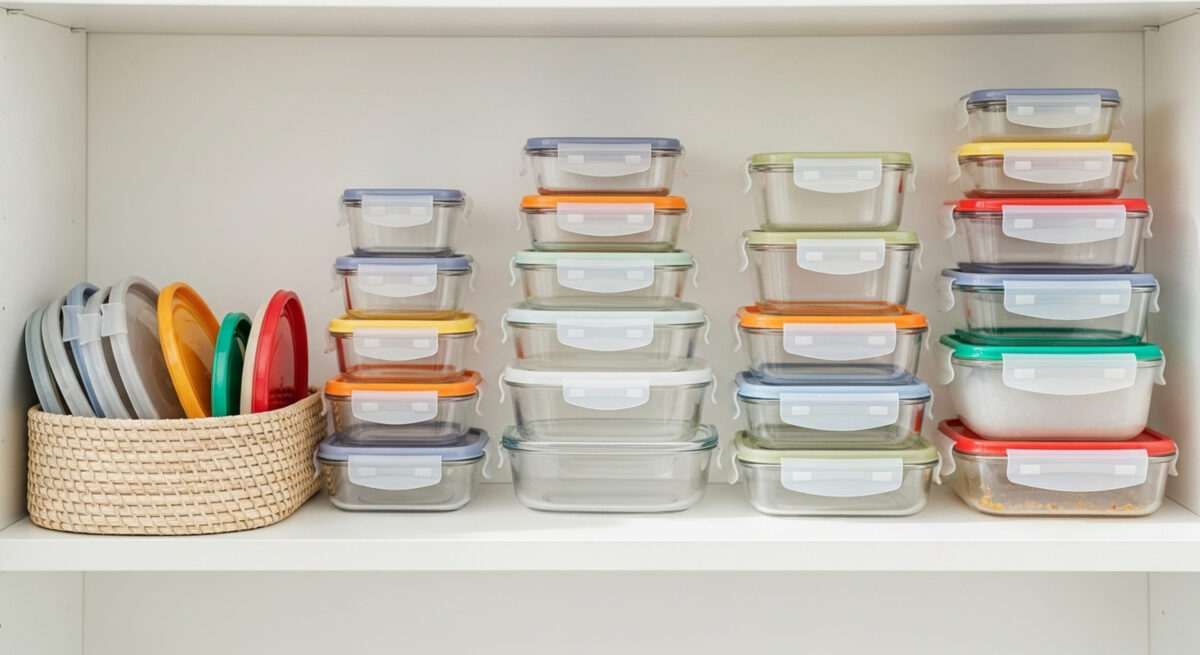
Food storage containers are useful, but they can easily become one of the most frustrating areas of the kitchen.
Start by matching each container with its lid. Recycle or dispose of damaged containers according to local recycling and waste guidelines, and consider removing containers without matching lids.
You can often nest containers by size to save space. Store lids separately in a designated basket, divider, or container so they stay upright and easy to identify.
Keeping containers of similar shapes and sizes can also make stacking easier.
Related article: 10-kitchen-countertop-mistakes-interior-designers-wish-youd-stop-making/
Create Zones Based on Kitchen Activities
Instead of storing items wherever space is available, organize the kitchen around common activities.
A cooking zone might include pots, pans, cooking utensils, oils, and seasonings. A baking zone could contain flour, sugar, measuring cups, mixing bowls, and baking trays. A beverage area might hold mugs, tea, coffee, and related supplies.
Group cleaning products in an appropriate storage area, and keep everyday dishes close to the dishwasher or drying area when practical.
Creating zones reduces unnecessary movement around the kitchen and makes it easier to return items to their proper locations.
Use the Inside of Cabinet Doors Carefully
The inside surface of some cabinet doors can provide additional storage space.
Suitable organizers may hold lightweight items such as measuring spoons, small kitchen tools, cleaning accessories, or frequently referenced notes. Some people also use cabinet-door racks for pot lids or lightweight pantry products.
Before installing an organizer, make sure the cabinet has enough internal clearance for the door to close properly. Avoid adding excessive weight to doors not designed to support it.
This strategy can be particularly useful in small kitchens where every storage area matters.
Organize the Pantry So Items Are Visible
A well-organized pantry makes it easier to find ingredients and keep track of food supplies.
Group similar foods together, such as pasta, canned goods, snacks, baking ingredients, and breakfast products. Place frequently used items within easy reach.
When adding newly purchased food, check the dates on existing products. When appropriate, place older items toward the front so you are more likely to use them first.
Clear containers can make some dry ingredients easier to identify, but transferring food into containers is optional. Original packaging may contain useful preparation, ingredient, allergen, storage, and date information. If you transfer food to another container, keep important product information available.
Build a Simple Maintenance Routine
Kitchen organization works best when it becomes part of your routine.
Spend a few minutes returning items to their designated places after cooking or cleaning. Periodically check the refrigerator, freezer, pantry, and cabinets for products that are no longer needed or usable.
You can also review kitchen tools and appliances occasionally to determine whether they still deserve the space they occupy.
The goal is not to keep the kitchen looking perfect at all times. Instead, create an organization system that is simple enough to maintain during everyday life.
Final Thoughts
An organized kitchen can make everyday tasks more convenient and reduce the frustration of searching for ingredients, cookware, or utensils. The process doesn’t require expensive renovations or complicated storage solutions.
Start by removing items you no longer need, then organize what remains by how often you use it and where you use it. Clear countertops, grouped categories, organized drawers, efficient cabinet storage, and practical kitchen zones can make a noticeable difference.
Most importantly, choose an organization system that fits how your household actually uses the kitchen. A simple system that you can maintain consistently is usually more useful than an elaborate arrangement that becomes difficult to manage.
By making a few thoughtful changes and reviewing your storage areas regularly, you can create a kitchen that feels less cluttered, easier to navigate, and better suited to everyday cooking and meal preparation.
Other articles you may like:
– kitchen-turnoffs-that-make-buyers-walk-away-according-to-real-estate-experts/
– how-to-organize-a-small-kitchen/
– 6-classic-kitchen-gadgets-that-define-generational-cooking/