7 Canned Beans Ranked: Which Ones Deserve a Spot in Your Pantry?
Beans are officially in the spotlight! Whole Foods Market recently named “The Bean Boom” one of its eight predicted food trends for 2027, highlighting everything from creamy butter beans to crispy chickpeas. The excitement reflects a growing interest in turning familiar pantry ingredients into satisfying, creative everyday meals.
The numbers tell an interesting story, too. According to the U.S. Department of Agriculture, domestic availability of dry beans, excluding chickpeas, rose 30% in 2024 to 6.8 pounds per person. But which canned varieties actually deserve your precious pantry space?
This ranking considers cooking versatility, texture, flavor, and how easily each bean fits into everyday American recipes.
Navy beans
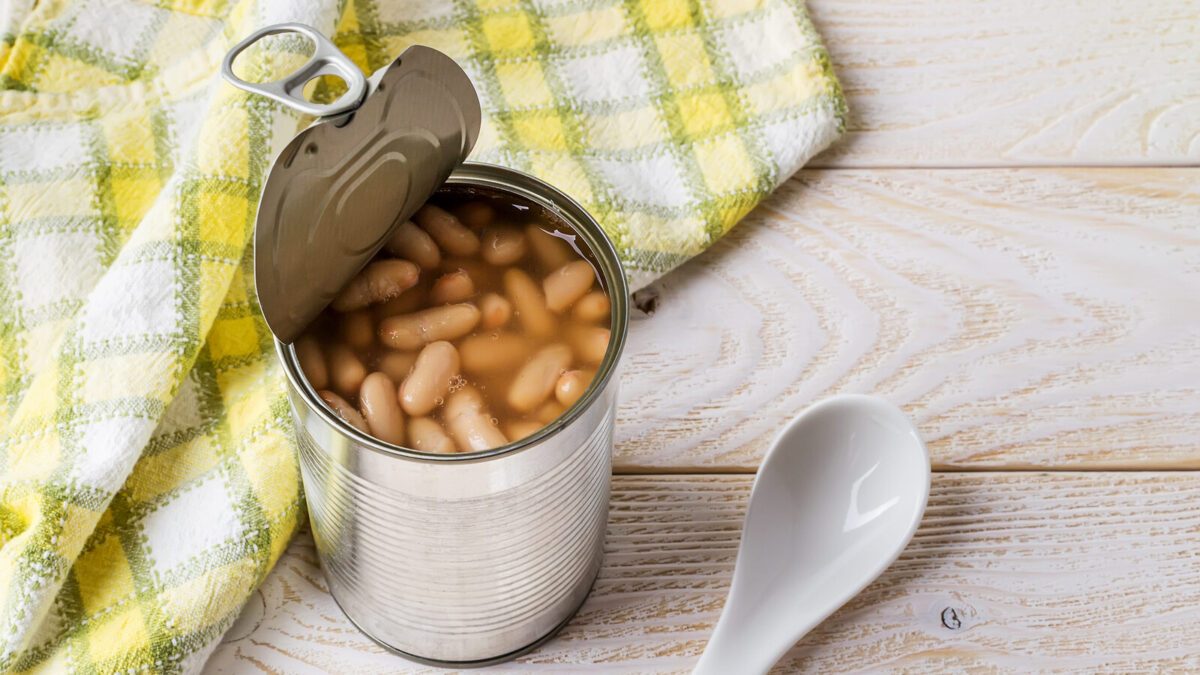
Navy beans may not get as much attention as black beans or chickpeas, but these small white beans have earned their place in American cooking, especially in traditional baked beans and hearty homemade soups.
According to the Bean Institute, navy beans got their name because they appeared in the U.S. Navy’s diet during the second half of the 19th century, giving them an interesting place in American food history.
Their mild flavor makes them especially useful with smoky bacon, tomato-based sauces, onions, and other strong seasonings because they complement those ingredients rather than compete with them.
They rank seventh because their greatest strengths lie in familiar comfort dishes, while some other varieties offer more flexibility for everything from quick salads to weeknight skillet meals.
Kidney beans
Kidney beans deserve serious consideration whenever chili, thick soups, or colorful bean salads appear on your weekly menu, thanks to their distinctive shape, firm texture, and ability to hold together during cooking.
Chef Kyle Taylor says, “Kidney beans are larger, firmer, and hold their shape longer,” making them especially suitable for recipes that require extended simmering.
That firmness makes them an excellent choice when you want individual beans to remain noticeable alongside tomatoes, ground beef, peppers, and other chili ingredients instead of disappearing into the sauce.
Their bold appearance and substantial bite make them great for hearty meals, though they may feel less suitable for delicate sauces or smooth dips where creamier beans shine.
Related: 6 Cheap Frozen and Canned Foods That Can Be as Healthy as Fresh Produce
Butter beans
Butter beans have become a popular ingredient for home cooks who enjoy rich, comforting dishes, especially because their large size and smooth, buttery texture work beautifully in brothy skillets and tomato-based preparations.
Although the names can be confusing, butter beans and lima beans belong to the same species, and labeling and terminology vary by region and variety.
Their popularity fits into the wider bean trend, as Whole Foods Market specifically highlighted brothy butter beans among the preparations influencing its 2027 food predictions.
Gently warm canned butter beans with garlic, olive oil, tomatoes, and herbs, then serve with crusty bread so their creamy texture shines rather than getting lost among too many ingredients.
Pinto beans
Pinto beans deserve a high ranking because they combine a mellow, earthy flavor with an appealing creamy texture, making them useful for refried beans, burrito fillings, rice bowls, and plenty of Tex-Mex favorites.
Their popularity is supported by USDA data showing that pinto beans represented about 48% of U.S. dry bean availability in 2024, well ahead of other individual bean varieties.
For a simple homemade side, warm canned pinto beans with sautéed onions, garlic, and seasonings, then mash some to thicken them without preparing dried beans from scratch.
Their biggest advantage is familiarity: they fit naturally into dishes many Americans already cook regularly, though their softer texture may be less appealing when you want beans that stay especially firm.
Cannellini beans
Cannellini beans, also called white kidney beans, earn third place because their gentle flavor and creamy consistency make them especially adaptable to pasta dishes, soups, vegetable skillets, and homemade dips.
The Bean Institute identifies cannellini beans as a popular ingredient in Italian cooking, especially alongside sautéed greens and in blended sauces, where their soft texture makes them easy to incorporate.
For a simple dinner, toss drained cannellini beans with cooked pasta, garlic, olive oil, spinach, and grated Parmesan for a comforting meal that needs no elaborate sauce or lengthy prep.
They also blend smoothly with lemon juice, herbs, and seasonings for an easy spread, giving them an edge over some sturdier varieties when your cooking plans move beyond soups and traditional bean dishes.
Chickpeas
Chickpeas, also known as garbanzo beans, take second place because they can move effortlessly between creamy hummus, crunchy roasted snacks, Mediterranean-inspired salads, pasta dishes, and savory skillet recipes.
Their popularity also ties to the viral dense bean salad trend, which recipe developer Violet Witchel helped popularize through social media videos that drew millions of views.
Speaking to Food Network about her make-ahead bean salads, Witchel explained, “I usually wait overnight to eat it because it tastes better after 24 hours,” emphasizing how beans can absorb flavorful dressings.
For crispier roasted chickpeas, drain them thoroughly, pat them dry, and lightly coat them with oil and your favorite seasonings before roasting; their pleasantly firm texture also makes them ideal for dishes that need little cooking.
Black beans
Black beans claim first place because their mild, earthy flavor and creamy texture work remarkably well across tacos, quesadillas, burrito bowls, soups, salads, and classic rice-and-bean combinations.
Their importance in American kitchens is supported by USDA data showing that black beans represented approximately 28% of domestic dry bean availability in 2024, placing them behind only pinto beans among individual varieties.
Miami-based chef Chris Valdes also highlighted canned black beans’ versatility in a July 2026 conversation with Parade, describing how he adapted his family’s Cuban black bean recipe using the convenient canned version.
For an easy weeknight upgrade, simmer drained black beans with onion, garlic, cumin, and a little broth, then finish with lime juice before spooning them into tacos or serving them over rice.
Their ability to fit into so many different meals, from simple sides to flavorful main dishes, ultimately makes black beans the strongest all-around pantry choice in this ranking.
The bottom line: Black beans win for everyday versatility, but keeping a few different canned varieties on hand gives you more ways to turn simple pantry ingredients into delicious meals.