8 Foods You Should Stop Refrigrating
Refrigeration is one of the most effective ways to keep food fresh and reduce the risk of foodborne illness. However, not every food benefits from refrigeration. Some ingredients can lose flavor, develop an unpleasant texture, or ripen more slowly in the cold.
Many households automatically put nearly everything in the fridge after shopping, assuming that lower temperatures always mean better preservation. While refrigeration is essential for perishable foods, certain fruits, vegetables, and pantry staples often fare better when stored in a cool, dry, well-ventilated place.
Knowing where to keep everyday groceries can help reduce food waste, preserve quality, and make kitchen storage more efficient. Here are eight common foods that may be better kept outside the refrigerator, along with important exceptions.
Tomatoes
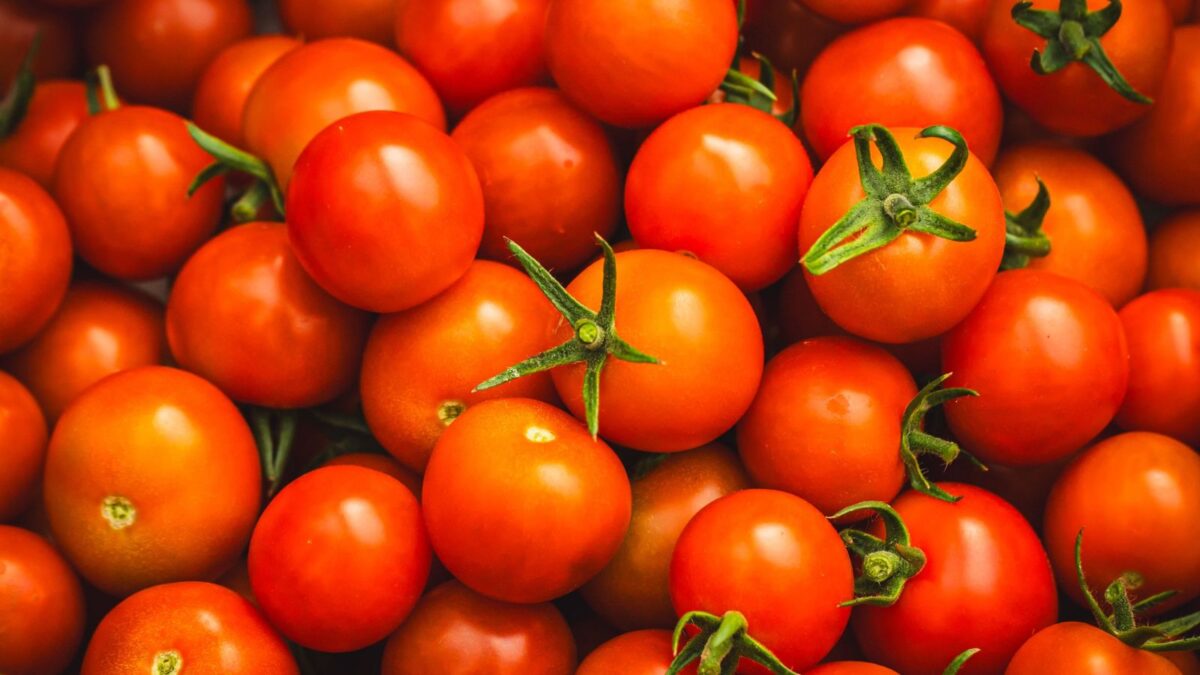
Tomatoes are among the most common foods that people refrigerate unnecessarily. Although refrigeration can extend their usable life once they are fully ripe, cold temperatures can negatively affect their texture and flavor.
Tomatoes develop much of their characteristic aroma as they ripen. Refrigeration can interfere with the compounds responsible for that fresh, distinctive taste, leaving tomatoes less flavorful than expected. Their texture may also become mealy, particularly after prolonged exposure to cold temperatures.
For the best results, store unripe tomatoes at room temperature, away from direct sunlight. Once they become ripe, use them promptly while they still have a firm texture and appealing flavor.
If ripe tomatoes need to be kept for longer, refrigeration is still an option. Let them return to room temperature before serving to improve their eating quality.
The key distinction is that keeping tomatoes out of the refrigerator can improve quality, but that doesn’t mean refrigeration is always wrong.
Potatoes
Potatoes generally do better in a cool, dark storage area than in a typical refrigerator.
Cold temperatures can cause some of the starch in potatoes to convert into sugars. This process can change their flavor and cause them to brown more quickly during certain cooking methods, including frying and roasting.
For everyday storage, keep potatoes in a dark, dry, well-ventilated location, such as a pantry or suitable cupboard. A paper bag or ventilated container can help protect them from light while allowing air to circulate.
Avoid storing potatoes beside heat-producing appliances or in places exposed to direct sunlight. Light can turn potatoes green and increase glycoalkaloid levels, including solanine. Do not eat green potatoes, especially those that are extensively green, bitter, or heavily sprouted.
There is an important food-safety qualification. Refrigeration can sometimes be appropriate, depending on storage conditions and intended use. If potatoes have been refrigerated, avoid cooking them at very high temperatures until they are heavily browned. Proper storage and preparation matter more than following an absolute rule against refrigeration.
Related Post:10 Foods You Should Never Store in the Fridge — Here’s What to Do Instead
Onions
Whole, uncut onions generally belong in a cool, dry, dark place with good ventilation rather than in the refrigerator.
The humidity inside many refrigerators can encourage onions to soften or develop mold, particularly when they are stored in unsuitable packaging. Their strong aroma can also spread to nearby foods.
To maintain quality, keep whole onions in a mesh bag, ventilated basket, or another container that allows air to circulate. Store them away from damp areas, and check regularly for soft spots or signs of spoilage.
Avoid storing whole onions in sealed plastic bags, where moisture can build up. It is also sensible to separate onions from potatoes during storage because the moisture and gases released by these vegetables can contribute to faster deterioration when they are kept together.
However, once an onion has been peeled or cut, the recommendation changes. Place the remaining portion in a clean, covered container in the refrigerator and use it promptly. Don’t leave cut onions at room temperature for long.
This distinction between whole and cut onions is important for both quality and food safety.
Garlic
Whole garlic bulbs are usually best stored outside the refrigerator. Store them in a cool, dry, dark place with good airflow to maintain quality.
Refrigerator humidity can encourage sprouting and may contribute to mold growth when garlic is stored improperly. Sprouted garlic is not necessarily unsafe to eat, but its flavor can become sharper or more bitter.
For the best results, keep garlic bulbs in a breathable container in a pantry or cupboard, away from direct sunlight and moisture. Avoid sealing whole bulbs in airtight plastic bags.
Once you peel, chop, or otherwise prepare garlic, storage becomes more complicated. Refrigerate peeled cloves in a covered container and use them promptly. Homemade garlic stored in oil requires special care because it can support the growth of Clostridium botulinum, the bacterium that causes botulism. Keep homemade garlic-in-oil mixtures refrigerated and use them within four days, or freeze them for longer storage.
Never assume that garlic preserved in oil is safe simply because it smells normal. Harmful bacteria may be present without obvious signs of spoilage.
The takeaway is simple: keep whole garlic in a dry pantry, and handle prepared garlic with more care.
Bread
Putting bread in the refrigerator may seem like a sensible way to prevent mold, but it can make bread go stale more quickly.
Bread becomes stale partly because its starch structure changes. Refrigerator temperatures can accelerate these changes, causing slices to lose softness and become dry or firm sooner than at room temperature.
If you expect to finish a loaf within a few days, store it in a clean, dry bread box or suitable bread bag at room temperature to preserve its texture. Keep it away from excessive heat, moisture, and direct sunlight.
However, the best storage method depends on the climate. In hot, humid environments, bread may develop mold quickly, so that refrigeration can be a reasonable short-term option despite texture changes.
Freezing is often a better choice when you want to preserve bread for an extended period. Slice the loaf before freezing if you want to remove individual portions conveniently.
Remember: discard bread with visible mold rather than salvaging it by removing the affected slice. Mold can extend beyond what you can see with the naked eye.
Bananas
Bananas are tropical fruits that generally ripen best at room temperature. Refrigerating them before they ripen can disrupt normal ripening and damage the peel, which may darken significantly.
If you buy green bananas, leave them on the counter until they reach your preferred ripeness. Keep them out of direct sunlight and away from excessive heat.
Once bananas are fully ripe, refrigeration can actually be useful. The peel may turn brown or black, but the fruit inside can stay perfectly edible longer, as long as it shows no signs of spoilage.
This is a useful example of why food-storage advice should account for ripeness rather than relying on rigid rules.
Bananas also release ethylene, a natural plant hormone that helps certain fruits ripen. Keeping them near avocados or other ethylene-sensitive produce can speed ripening, which helps when you want fruit ready sooner but hurts when you want it to last longer.
If your bananas ripen faster than you can eat them, peel and freeze them for smoothies, baking, and other recipes.
Honey
Honey is a pantry staple that generally doesn’t need refrigeration. Properly harvested and stored honey has a naturally low moisture content and high sugar concentration, making it difficult for many microorganisms to grow.
Refrigerating honey can encourage crystallization, making it thick, grainy, or difficult to pour. Although crystallization is natural and doesn’t automatically mean the honey has spoiled, it can make the product less convenient to use.
Instead, store honey in a tightly sealed container in a dry cupboard at room temperature. Always use a clean, dry spoon to keep water and food particles out of the container.
If your honey crystallizes, you can gently warm the closed container in warm water until the crystals dissolve. Avoid overheating it, as excessive heat can affect its flavor and quality.
Honey can remain usable for a long time when stored correctly, although its color, aroma, and flavor may gradually change.
One crucial exception concerns infants: never give honey to children younger than 12 months because it can contain spores that cause infant botulism.
For most households, the best approach is to keep honey sealed, dry, and outside the refrigerator.
Coffee
Coffee beans and ground coffee are often stored in the refrigerator under the assumption that cold temperatures will keep them fresh. However, everyday refrigerator storage can expose coffee to moisture, odors, and temperature changes that may compromise its flavor.
Coffee readily absorbs surrounding aromas, so storing it beside onions, leftovers, and strongly scented foods can affect its smell and taste. Condensation can also become a problem when a cold container is repeatedly opened in a warm environment.
For coffee you use regularly, choose an airtight, opaque container and keep it in a cool, dry cupboard away from heat, light, and moisture.
Whole beans generally retain freshness longer than ground coffee because less surface area is exposed to oxygen. Grinding beans shortly before brewing can help preserve their aroma.
Freezing coffee can work for longer-term storage, especially whole beans divided into airtight portions. Avoid repeatedly moving the same container between the freezer and room temperature, as this can introduce moisture.
The goal is not simply to keep coffee cold. It is to protect it from the conditions that gradually diminish its quality.
Store Food According to Its Needs
Not every food belongs in the refrigerator, but that does not mean refrigeration should be avoided altogether. The right storage method depends on the food’s moisture content, ripeness, packaging, surrounding temperature, and how quickly it will be consumed.
Tomatoes, whole potatoes, whole onions, whole garlic bulbs, bananas, honey, and coffee can generally be stored outside the refrigerator under suitable conditions. Bread may also benefit from room-temperature storage when it will be eaten quickly, and the environment is not too humid.
Nevertheless, food safety must always come first. Cut produce, leftovers, meat, dairy products, and other perishable foods often require refrigeration. Refrigerators should generally be maintained at 40°F (4°C) or below, and perishable foods should not remain at room temperature for more than two hours, or one hour when temperatures exceed 90°F (32°C).
Ultimately, smart food storage is about understanding what each ingredient needs rather than putting everything in the same place. With a few simple adjustments, households can preserve flavor, maintain texture, reduce unnecessary waste, and make groceries last longer without compromising safety.
Posts You Might Like:
7 Foods You Should Never Store in the Fridge Door, According to Food Safety Experts