Retail Names Quietly Disappearing From American Shopping Centers
The U.S. economy is entering a period where even billion-dollar brands are no longer insulated from pressure. Between 2025 and 2026, corporate America is facing a rare overlap of forces: weaker consumer spending, rising debt costs, shifting retail habits, and aggressive digital competition.
The result is a wave of restructuring that is forcing familiar companies to either shrink, sell, or completely reinvent themselves. Some will survive in name only. Others may quietly disappear from physical storefronts altogether.
iRobot: A Famous Brand Rebuilt Under Pressure
iRobot, once synonymous with home robotics and the Roomba vacuum, has entered a survival phase after years of declining demand and intensified competition from cheaper alternatives. The company’s restructuring under Chapter 11 has already reshaped its ownership structure, marking a turning point in its independence.
What was once a dominant consumer tech brand now operates under a completely new financial reality, where survival depends more on restructuring discipline than on product dominance. Even if the Roomba continues to exist on shelves, the company behind it is no longer the same iRobot consumers once recognized.
Target: Strong Revenue, Softer Growth Signals
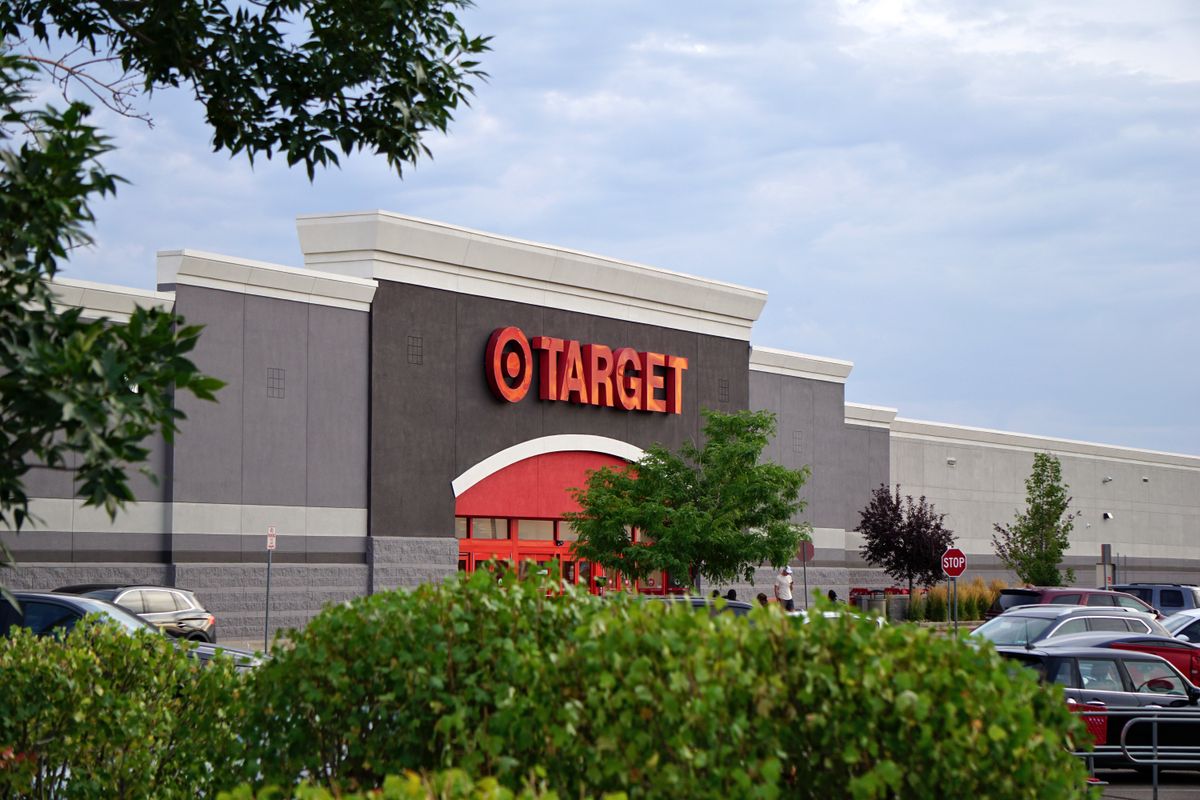
Target remains one of America’s retail giants, generating more than $100 billion in annual sales, but even its scale has not shielded it from recent pressure. Comparable sales have shown volatility, reflecting cautious consumer behavior and intense competition from Walmart and Amazon, which together dominate value-driven retail.
While Target is not at risk of disappearing, the pressure to optimize store performance and eliminate weaker locations continues to build. The company is increasingly focused on efficiency rather than expansion, signaling a long-term shift in how it operates physical retail stores.
Claire’s: The Mall Economy’s Declining Icon
Claire’s once defined the teen shopping experience inside American malls, but that era has been steadily fading. With mall traffic significantly lower than pre-pandemic levels and digital-first fast-fashion brands dominating youth spending, the company has been forced into bankruptcy, restructuring, and changes in ownership.
What remains of Claire’s is a scaled-down version of its former self, operating in a retail landscape where impulse mall purchases are no longer guaranteed. Its survival depends on whether a reduced store footprint can still support brand relevance in a digital-first world.
Family Dollar: A Discount Chain Under Reinvention
Family Dollar has struggled to maintain consistent performance despite operating in a category that usually benefits during economic downturns. After being sold at a fraction of its earlier valuation, the chain has been forced to undergo aggressive restructuring and close stores.
Hundreds of locations have already been shuttered as new ownership attempts to stabilize operations and fix long-standing inefficiencies. The challenge for Family Dollar is no longer demand; it is execution, competition, and the question of whether the brand can survive in a market dominated by stronger discount rivals.
Porsche: Luxury Pressure in a Changing Auto Industry
Porsche continues to represent the high end of automotive performance, but even luxury brands are feeling the weight of global restructuring. Operating profits have dropped sharply amid transition costs, product realignment, and broader industry shifts toward electrification.
The company is not disappearing, but it is clearly entering a period where profitability is more fragile than in previous cycles. Luxury no longer guarantees stability when global supply chains, tariffs, and technological shifts all converge at once.
REI Co-op: Pulling Back to Stay Profitable
REI has begun scaling back non-core business areas as consumer spending on outdoor experiences becomes more selective. The closure of its Experiences division and related job reductions reflect a broader shift toward focusing only on the most profitable segments of the business.
While REI remains a strong brand with loyal customers, it is now operating with a sharper focus on efficiency rather than expansion. The co-op model is being stress-tested by a market where discretionary spending is increasingly unpredictable.
Walgreens: A Pharmacy Giant Under Private Equity Control

Walgreens has entered a new phase after transitioning away from public markets under private equity ownership. The company has been facing significant financial pressure, including multibillion-dollar losses and ongoing store closures across the United States.
Pharmacy reimbursement challenges, labor costs, and theft concerns have all contributed to declining performance. The shift in ownership signals a more aggressive restructuring approach, in which store closures and cost reductions are likely to accelerate rather than slow.
GameStop: Profits Up, Core Business Under Strain
GameStop presents one of the most unusual financial profiles in retail. While reported profits have surged due to investment gains, the company’s core revenue from physical game sales continues to decline. The traditional retail model that once defined GameStop is shrinking as gaming moves increasingly digital.
This creates a business that appears financially strong on paper but structurally weaker in its original retail foundation. The long-term question is whether it can evolve beyond its legacy identity.
Forever 21: Fast Fashion’s Physical Collapse
Forever 21 has become one of the clearest examples of how quickly retail disruption can dismantle a once-dominant brand. After filing for bankruptcy and liquidating its U.S. store base, the company’s physical footprint has largely disappeared from malls across the country.
The fast fashion model that once drove its growth was overtaken by faster, cheaper, and more digitally native competitors. While the brand name may survive in some form, its physical retail era in the United States is effectively over.
7-Eleven: Quiet Store Closures in Convenience Retail
7-Eleven is not collapsing, but it is undergoing a meaningful contraction in its North American footprint. Hundreds of store closures reflect changing consumer habits, franchise disputes, and margin pressure in the convenience retail sector. While the brand remains dominant globally, the traditional corner-store model is being adjusted to focus on higher-performing locations and more efficient formats. Convenience retail is no longer immune to the same pressures affecting larger retail chains.
Torrid: A Shrinking Mall Footprint
Torrid has been steadily reducing its physical store base as mall traffic declines and online competition increases. Nearly a third of its locations have already been closed or targeted for closure as part of a broader restructuring effort.
The brand continues to rely heavily on digital channels, signaling a clear shift away from dependence on brick-and-mortar locations. Torrid’s challenge is not demand, but profitability in a store model that is increasingly difficult to sustain.
Foot Locker: Rebuilt After Acquisition Pressure
Foot Locker is undergoing structural changes following the acquisition and continued pressure from direct-to-consumer sneaker brands. Store closures are being used to close underperforming locations while repositioning the brand within a broader retail strategy.
The sneaker market itself has shifted dramatically, with younger consumers increasingly purchasing directly from brands or online platforms. Foot Locker’s future depends on how successfully it adapts to that shift.
Procter & Gamble: Stability With Strategic Cuts
Procter & Gamble remains one of the most stable consumer goods companies in the world, but even it has not avoided restructuring pressure. Job cuts and portfolio adjustments reflect a broader effort to protect margins amid rising costs and global economic uncertainty.
While its household brands remain dominant, the company operates in a slower-growth environment where efficiency and cost control matter more than expansion.
Francesca’s: A Retail Exit in Motion
Francesca’s represents one of the most direct examples of a retailer moving toward full exit. Bankruptcy proceedings and nationwide store closures have placed the brand in a liquidation phase after years of declining relevance in malls.
The company struggled to compete in a fast-moving fashion market where digital-first competitors dominate pricing, speed, and trend cycles. Its physical retail presence is now rapidly disappearing.
The Bigger Picture: A Retail System Under Reconstruction
Across all 14 companies, the pattern is consistent. Physical retail exposure increases vulnerability, debt accelerates risk, and digital competitors reshape entire industries faster than legacy brands can adapt. What is unfolding is not just a wave of corporate struggles, but a structural reset of how retail, fashion, pharmacy, and consumer goods operate in the United States.
By the end of 2026, many of these companies will still exist in some form. But several will look dramatically smaller, operate under new ownership, or no longer maintain the physical presence consumers once associated with them. The brands may remain, but the business models behind them are being rewritten in real time.