Forget Doomsday Bunkers: These Are the Everyday Essentials Women Are Stocking Up On
Is this conversation helpfForget secret bunkers, survival gadgets, and shelves stacked with mysterious emergency rations. Some women are preparing for uncertain times in a much more familiar way, by filling their freezers, grabbing extra coffee, and stocking up on their favorite everyday products. Rising grocery bills, concerns about tariffs, and fears of losing access to certain items have all influenced these decisions. In an April 2025 Numerator survey, 31% of American consumers said they planned to stock up before tariff-related price increases. That doesn’t mean everyone rushed to the store, but it shows why ordinary household backups have become part of the conversation. Here are some of the things women have been buying ahead, along with a few practical essentials worth keeping in reserve.
Coffee That Won’t Break the Budget
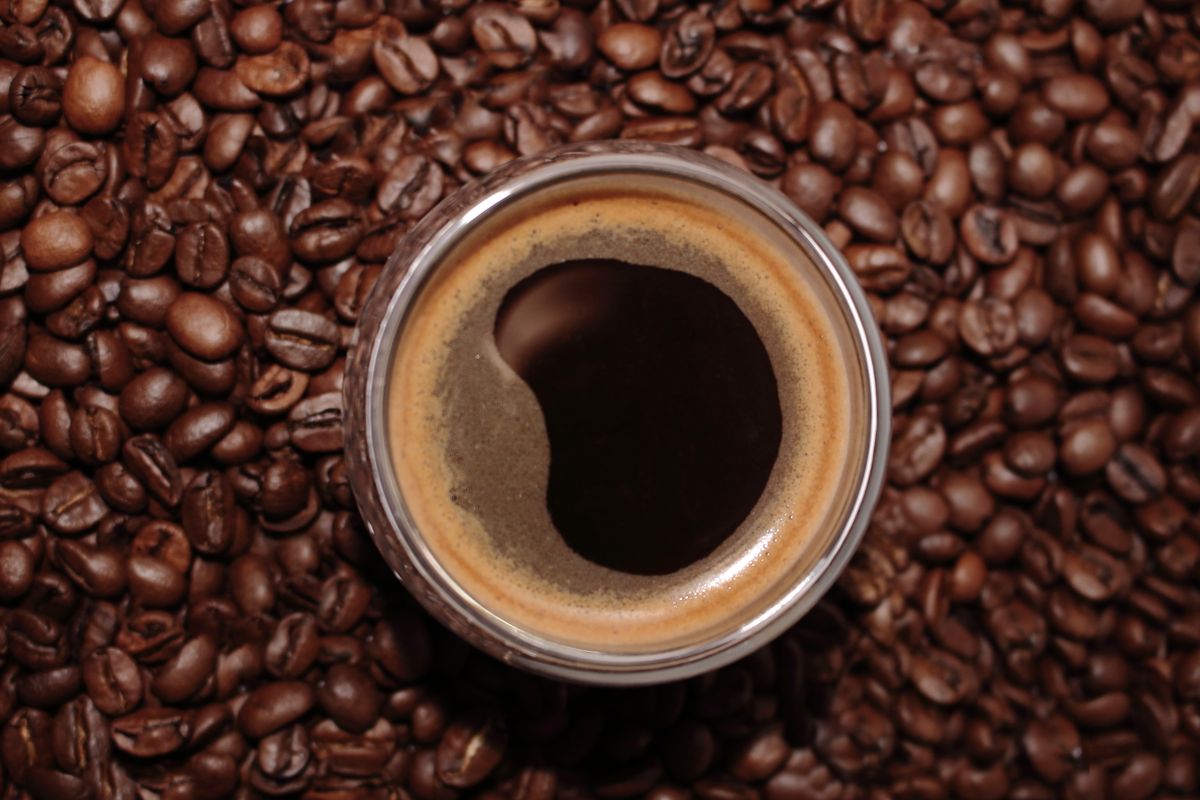
For some people, running out of coffee is practically a household emergency. Retired librarian Charlotte Maggio understands the value of buying her favorite brew when the price is right.
According to the Chicago Sun-Times, Maggio stocked up on coffee during sales as part of her effort to manage grocery costs. Her monthly grocery spending was approximately $230.
It’s a simple approach that doesn’t require a warehouse-sized pantry. Buying an extra package during a genuine sale can make sense for regular coffee drinkers. The trick is purchasing what you’ll actually use instead of filling cupboards simply because a discount looks tempting.
Homemade Meals Ready for Busy Nights
Sometimes the smartest thing to stockpile isn’t an ingredient. It’s dinner that’s already cooked.
Maggio also purchased an upright freezer during holiday sales and filled it with homemade meals. Rather than relying entirely on future grocery trips, she prepared food ahead of time.
Imagine coming home after an exhausting day and remembering that dinner is already waiting in the freezer. That’s a practical kind of preparation.
Of course, freezers require electricity, space, and an upfront investment. They’re useful for everyday planning, but they aren’t a replacement for shelf-stable emergency food during a power outage.
Favorite Sunscreens Before Prices Change

Beauty products might seem like strange stockpiling candidates until your favorite imported item becomes harder or more expensive to replace.
The New York Times reported that Los Angeles business owner Esther Lee and her husband purchased approximately a year’s supply of Korean sunscreen and eyeliner in 2025.
Their purchase was three times their usual amount and cost hundreds of dollars.
For shoppers attached to specific products, buying ahead can feel more appealing than experimenting with unfamiliar replacements.
There’s one catch, though. Sunscreen has expiration considerations, and stocking up beyond what you can use within the product’s stated lifespan can turn a bargain into waste.
Eyeliner, Moisturizers, and Other Beauty Favorites
Apparently, the beauty cabinet has become another place where some shoppers are preparing for possible price increases.
Alongside Lee’s eyeliner purchases, the New York Times described content creator Taylor Bosman Teague showing bottles of Korean toner and moisturizer to her TikTok audience.
The appeal isn’t necessarily about owning more makeup. Sometimes it’s about keeping a familiar routine affordable and avoiding the hassle of finding replacements.
Still, a social media shopping haul isn’t proof that everyone is doing the same thing. Cosmetics also have limited usable lifespans, so a few sensible backups may be more practical than an overflowing drawer.
Clothing Made Overseas
Stockpiling isn’t limited to things that fit inside a pantry or bathroom cabinet.
A January 2025 Bid-on-Equipment survey included a 28-year-old Texas woman who said she was purchasing internationally manufactured clothing ahead of anticipated tariff increases.
Her concern wasn’t about preparing for a disaster. It was about potentially paying more for products she expected to need.
For everyday shoppers, the lesson is fairly simple. Replacing a frequently worn wardrobe staple during a legitimate sale may be reasonable. Buying piles of clothes without knowing when you’ll wear them is another story.
An overflowing closet isn’t automatically a financial safety net.
Everyday Pantry Staples
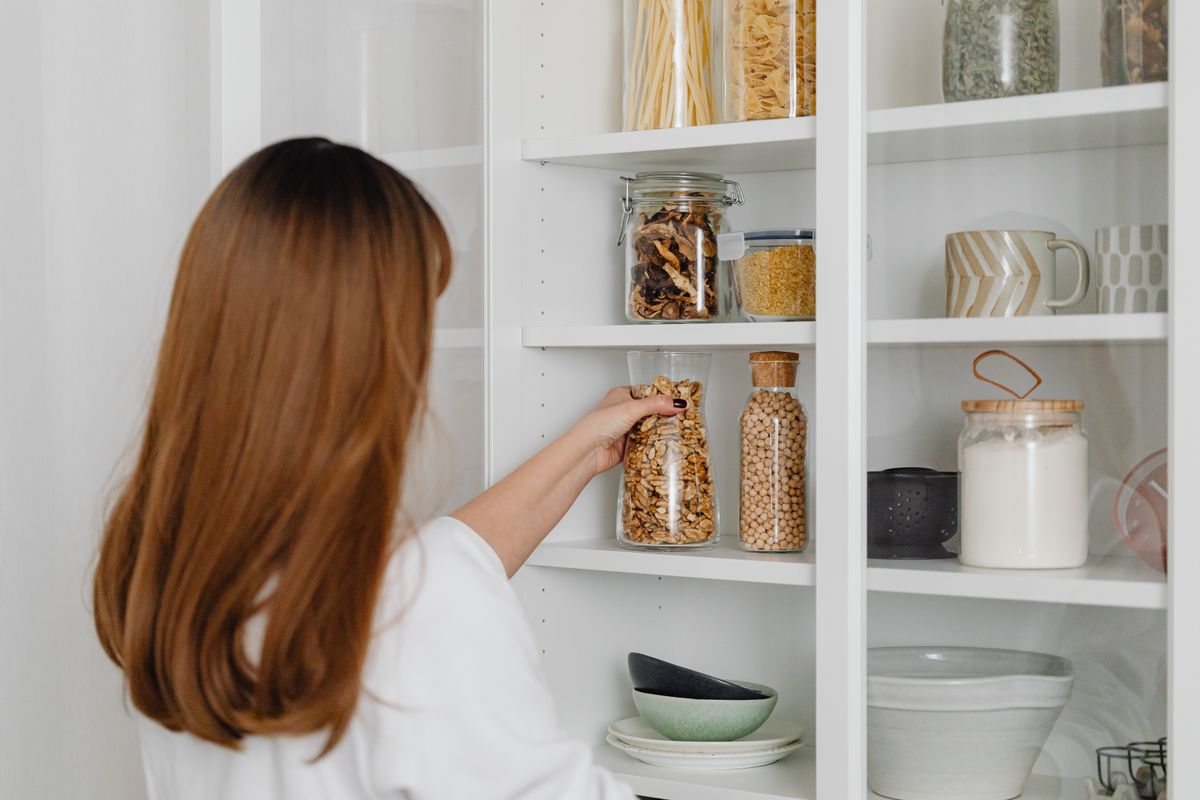
Canned beans, rice, flour, and other familiar kitchen supplies have also appeared in reports about consumers buying ahead.
In April 2025, Reuters documented shoppers purchasing larger quantities of ordinary groceries because they anticipated higher prices.
These examples involved men, so they shouldn’t be mistaken for evidence of a women-specific trend. However, they illustrate why regular groceries are often more practical than specialized survival products.
A pantry filled with ingredients your household already enjoys can support ordinary meal planning and provide some flexibility when shopping becomes inconvenient.
Just remember that canned foods need proper storage and rotation, and ingredients requiring cooking won’t necessarily help during an outage.
Personal-Care Essentials That Are Easy to Overlook
Nobody wants to discover they’ve run out of an essential personal-care product at the worst possible moment.
Menstrual pads and tampons deserve consideration here. The Chicago Sun-Times found that prices for the Always pads it tracked increased at four Chicago-area grocery chains between December 2024 and July 2025.
That’s a local price observation, not proof of nationwide stockpiling. Still, keeping a reasonable backup of regularly used supplies can be practical.
Ready.gov also includes personal hygiene supplies in its emergency preparedness recommendations.
The sensible approach is to choose familiar products, pay attention to storage space, and replenish them as needed.
Emergency Cash Instead of More Shopping Bags
Here’s one reserve that doesn’t require another trip down the supermarket aisle.
Emergency preparedness guidance recommends keeping cash and change available in case electronic payment systems become unavailable.
Meanwhile, the Federal Reserve reported in May 2026 that 59% of adults had faced at least one major unexpected expense during the preceding year.
That makes a financial cushion worth considering alongside physical supplies.
A few extra household products might help with tomorrow’s shopping list, but accessible savings can cover problems that a packed pantry cannot.
The Smartest Stockpile Is One You’ll Actually Use
Perhaps the biggest takeaway is that preparation doesn’t have to look dramatic.
Some women are choosing coffee, frozen meals, beauty backups, and other familiar products instead of elaborate survival equipment. Others may find that cutting spending, shopping sales, or building savings works better.
And there’s good reason to avoid panic buying. An August 2026 Federal Reserve staff study found no convincing evidence that widespread stockpiling explained household spending patterns, even among people who said they intended to stock up.
The goal isn’t to own the most stuff. It’s to make everyday life a little easier without wasting money on things that expire, collect dust, or sit forgotten in a closet.
After all, a well-planned household reserve should bring convenience, not another bill to worry about.ul so far?