8 Household Items That Quietly Increase Electricity Bills
Electricity bills rarely jump for no reason. Most of the time, the real troublemakers are sitting in plain sight, humming quietly in the kitchen, glowing in the bedroom, or staying plugged in long after everyone has forgotten about them.
Many household items look harmless because they do not make noise or seem “on” all the time. That is what makes them expensive. They drain power slowly, daily, and silently until the bill arrives with a number that makes the whole house go quiet.
Old Refrigerators

An old refrigerator can become one of the sneakiest electricity eaters in the home because it never gets a break. It runs all day and all night, fighting warm air, worn seals, poor airflow, and aging parts that force it to work harder than it should. The problem worsens when the fridge is packed too tightly, placed near a heat source, or opened every few minutes like a family entertainment center.
The danger is that people usually replace phones faster than they replace refrigerators. A fridge that still cools food may feel “fine,” but it can quietly burn more power than a newer, more efficient model. Cleaning the coils, checking the door seal, and keeping the temperature at a sensible level can help stop this kitchen workhorse from becoming a monthly money leak.
Space Heaters

Space heaters feel like a cozy shortcut, especially during cold mornings or chilly evenings. The trouble is that they use a lot of electricity in a short time, and people often leave them running longer than planned. A small heater beside the couch can turn into a big bill problem when it becomes the default way to warm an entire room.
They are especially costly when used in poorly insulated spaces. If windows leak air, doors have gaps, or the room loses heat quickly, the heater keeps working without solving the real problem. Using it for short periods, closing off the room, and sealing cold drafts can make a huge difference.
Clothes Dryers

Clothes dryers are convenient, but they are not gentle on electricity bills. They use heat, tumbling power, and long cycles to do a job that fresh air can often handle for free. The cost becomes even higher when people overload the drum, forget to clean the lint filter, or run extra cycles because clothes are still damp.
A dryer also works harder when airflow is blocked. That means a clogged vent can waste electricity while posing a safety risk. Cleaning the lint trap after every load, drying similar fabrics together, and using lower heat settings can help reduce the damage.
Gaming Consoles
Gaming consoles are fun, powerful, and surprisingly easy to forget when the screen goes dark. Many people leave them in standby mode because it speeds up updates and makes it easier to resume games. That convenience can quietly add to electricity use, especially when the console stays connected to the internet, downloads files, charges controllers, and keeps background features active.
The problem is not gaming itself. The problem is leaving the device half-awake all day and night. Turning on energy-saving settings, shutting it down fully after use, and unplugging accessories when they are done charging can help keep entertainment from becoming an invisible bill booster.
Television Setups
Modern TVs are not alone anymore. They often come with streaming sticks, cable boxes, soundbars, game systems, speakers, and Wi-Fi-connected accessories. Each item may use a small amount of power on its own, but together they can create a quiet little energy army behind the screen.
This is why the living room can become one of the biggest hidden electricity zones in the house. A power strip with an on-off switch can help cut power to devices that do not need to stay ready all night. It is a small habit, but it can stop several devices from sipping electricity when no one is even watching.
Microwave Ovens
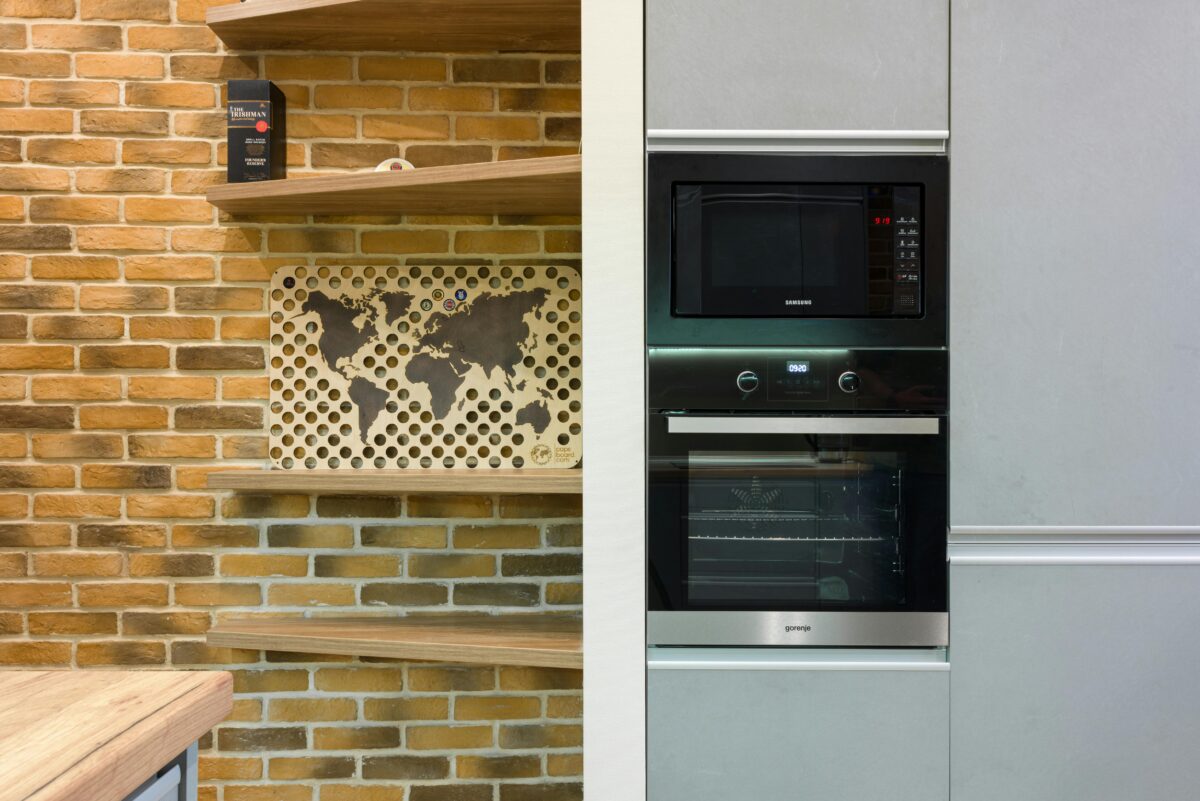
A microwave may seem harmless when it is not heating food, but it is still alert for the clock, buttons, and display panel. That tiny glow on the front looks innocent, but it is part of a larger pattern of small household drains that add up over time. One microwave alone may not wreck the bill, but it becomes part of the bigger “always plugged in” problem.
The simplest fix is to unplug it if it is rarely used, especially in guest rooms, offices, or second kitchens. For daily-use microwaves, the bigger savings come from avoiding unnecessary reheating, using the right cooking times, and keeping the appliance clean so it works efficiently.
Desktop Computers
Desktop computers can quietly increase electricity bills when they stay on all day, even during long breaks. They use power for the monitor, processor, speakers, hard drives, and connected accessories. Add a printer, external drive, and charging cable, and one desk can become a small power station.
The waste usually comes from habit. People step away for lunch, forget to shut down at night, or leave monitors glowing after work. Sleep mode helps, but a full shutdown is better when the computer will not be used for hours.
Chargers and Power Adapters
Chargers are tiny, but they are everywhere. Phone chargers, laptop adapters, tablet cables, smartwatch docks, speaker chargers, and toothbrush bases often stay plugged in long after the device is full. Each one may use a small amount of power, but homes now have so many of them that the total becomes harder to ignore.
The best habit is simple. Unplug chargers when they are not being used, or plug them into a power strip that can be switched off at once. It also keeps counters cleaner, reduces clutter, and makes the home feel less like a charging station with furniture.
Conclusion
The most expensive household items are not always the biggest or loudest. Sometimes the real problem is a device that stays plugged in, runs too long, or works harder because no one has checked it in months.
Lowering an electricity bill does not always require a major lifestyle change. It often starts with small decisions, like cleaning a dryer vent, shutting down a console, switching off a power strip, or questioning whether every glowing clock and charger really needs to stay awake while the house sleeps.