10 Architectural Fails You’ll Wish Never Happened
Some buildings fail spectacularly not because they look bad, but because their stories are riddled with mistakes. These 10 architectural disasters became symbols of ambition overrun by poor planning, material mistakes, and oversight failures. While many of these structures still stand, their legacy is one of caution, reminding us that greatness requires a solid foundation, both literal and figurative.
Ryugyong Hotel, North Korea

The Ryugyong Hotel in Pyongyang is an ambitious pyramid-shaped tower intended to symbolize North Korea’s progress. However, construction halted in the early 1990s, leaving behind a hollowed-out, incomplete structure that towers over the city. The hotel became an enduring monument to failed ambition. Despite its impressive height, the Ryugyong’s ghostly appearance serves as a reminder that no project is truly finished until it serves its intended purpose.
Vdara Hotel, Las Vegas
The Vdara Hotel in Las Vegas, with its sleek, curved glass design, created a disastrous “death ray” effect. The hotel’s reflective surface concentrated sunlight onto the pool area, leaving guests literally feeling the heat. Guests reported melted plastic and singed hair due to the intense glare. What was meant to be a stylish, modern design turned into a costly, embarrassing problem for the hotel, forcing it to implement quick fixes that damaged its reputation.
20 Fenchurch Street, London

London’s 20 Fenchurch Street, affectionately known as the “Walkie Talkie” tower, became infamous for its reflective glass façade, which concentrated sunlight onto the street below. The intense heat damaged cars and shop fronts, and even melted parts of vehicles. While the building’s unusual design attracted attention, it wasn’t the spotlight it had hoped for. This blunder turned a signature feature into a major flaw, making the building infamous for its unintended consequences.
Lotus Riverside Complex, China
The Lotus Riverside Complex in Shanghai became one of the most shocking examples of a building disaster when a 13-story tower collapsed during construction. Poor soil management and excavation errors led to the building’s catastrophic fall. The collapse claimed lives and exposed severe planning flaws, underscoring the importance of solid groundwork in any construction project. A stunning design is meaningless if its foundation is unstable, making this disaster a cautionary tale.
Millennium Tower, San Francisco
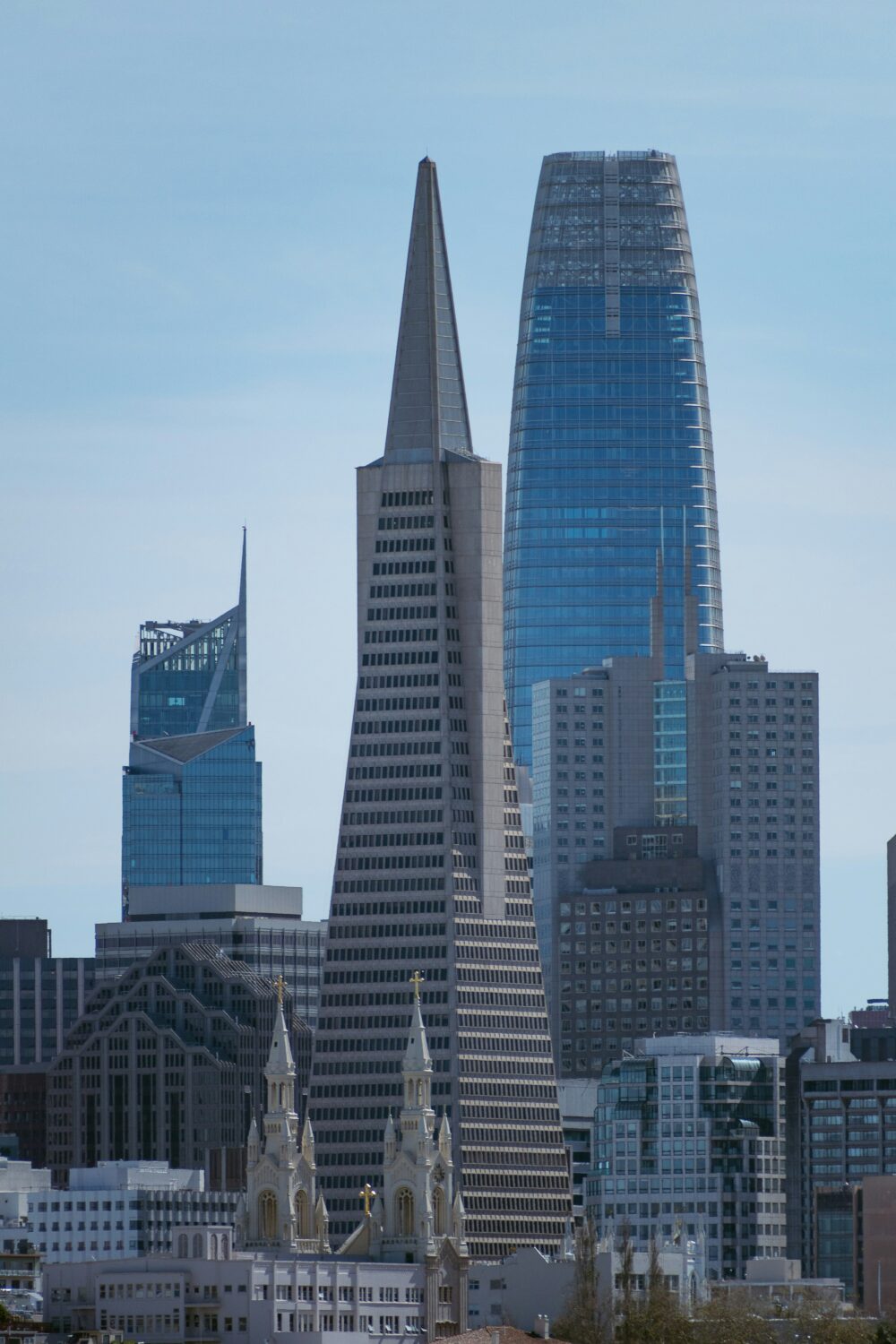
The Millennium Tower in San Francisco, a luxury residential building, made headlines after sinking and tilting just a few years after construction. The building’s foundation was not deep enough to handle the weight, and as the ground shifted, so did the tower. The building now leans to one side, leaving its residents in fear and disarray. This was a failure in the most fundamental part of architecture: the foundation, a mistake that not even its prime location could erase.
Citicorp Center, New York
The Citicorp Center in New York was built with a dangerous structural flaw, discovered just after its completion. The building’s wind-load design could have caused a fatal collapse if not for a swift, secret fix. The flaw, which involved the failure of bolted joints in the structure, was kept under wraps until repairs were made. While the building stands tall today, the behind-the-scenes engineering failure remains one of the most famous examples of oversight in modern architecture.
The Harmon Hotel, Las Vegas
The Harmon Hotel was part of the CityCenter complex in Las Vegas, but it became an iconic failure before it could ever welcome guests. Construction flaws, including issues with the structural steel, left the hotel incomplete and ultimately led to its demolition. The building became a symbol of how cutting corners in construction can lead to disastrous results. A project that promised luxury and grandeur ended in a costly demolition, highlighting the importance of quality control from start to finish.
Aon Center, Chicago
The Aon Center in Chicago, originally clad in beautiful Carrara marble, suffered a costly failure when the marble panels began to crack and bow. The marble, which was intended to showcase the building’s elegance, quickly became a maintenance nightmare. The façade had to be replaced entirely, turning what was meant to be a symbol of luxury into a symbol of poor material choice. This expensive repair job is a reminder that aesthetics should never outweigh structural integrity.
Sampoong Department Store, South Korea
The collapse of the Sampoong Department Store in Seoul in 1995 was a horrific reminder of the consequences of poor engineering and ignored safety concerns. The building’s original design was altered to increase space, and the additional weight caused the structure to fail catastrophically. The tragedy claimed over 500 lives and remains one of the deadliest building failures in history. This disaster underscores the importance of safety and ethics in design, reminding architects that human lives depend on their decisions.
Leaning Tower of Pisa, Italy
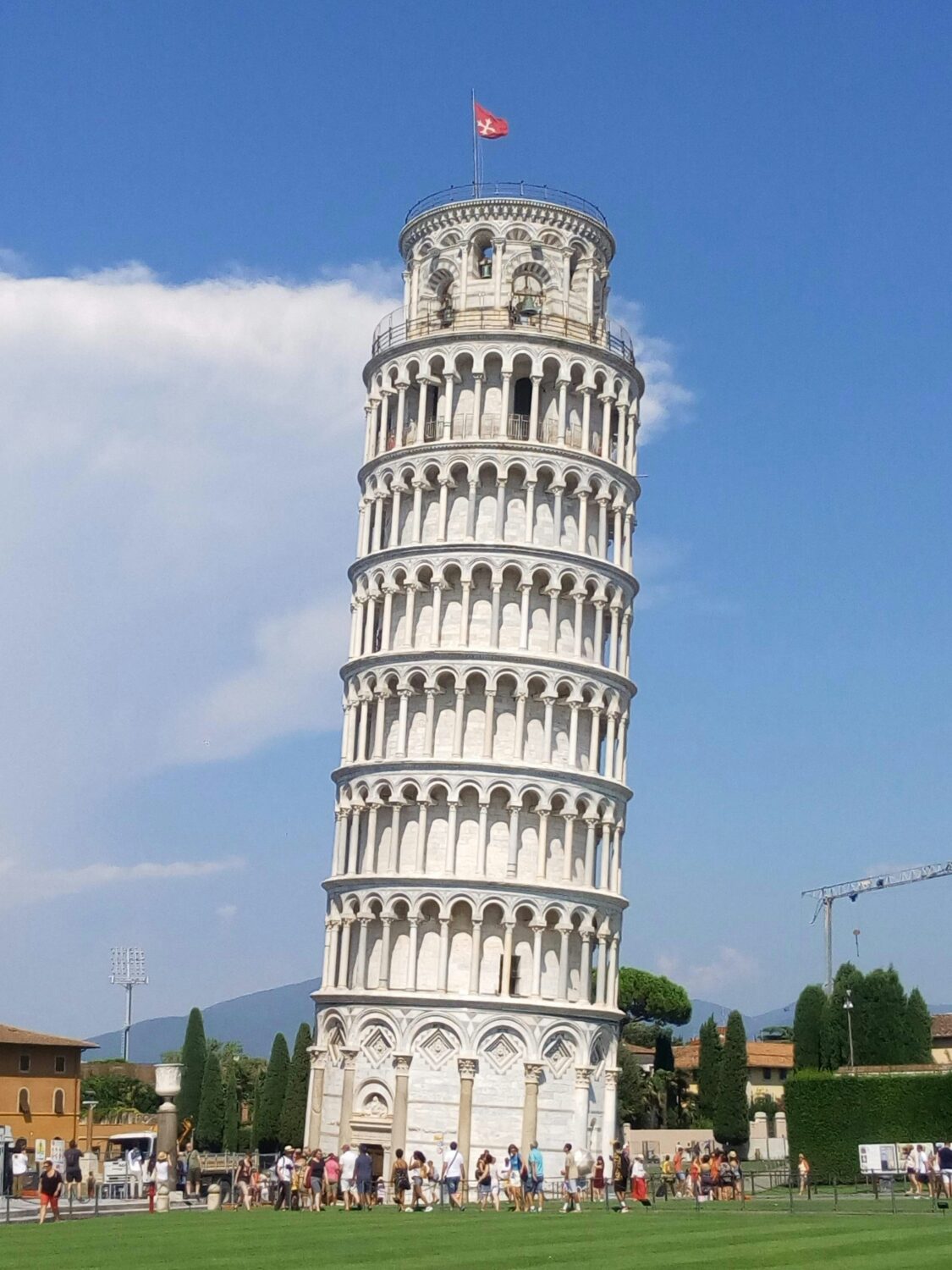
The Leaning Tower of Pisa is perhaps the most famous architectural mistake that worked out well in the end. Initially, its tilt was due to unstable soil and a shallow foundation. Over the centuries, the tilt only worsened, and the tower seemed destined to fall. Fortunately, modern engineering efforts have stabilized it, but the Leaning Tower still stands as a testament to the unpredictability of building on weak ground. Despite its now-iconic status, it remains a reminder that even the most beloved structures can begin with flawed foundations.
Conclusion
Each of these architectural failures shows that even the most impressive designs can crumble under poor planning, weak foundations, or neglect. What’s worse than bad design is the human cost and financial drain that follows. A building might be grand, but without a sound structure and thorough thought, it will eventually fall short of its promise. These 10 architectural disasters serve as a cautionary tale for anyone who believes that ambition can compensate for the basics. Never forget: even the tallest towers have to stand on solid ground.