10 Everyday Money Traps Americans Keep Overpaying For
Americans are not careless with money. Most people are simply trying to live, eat, commute, relax, look decent, keep their families comfortable, and survive a bill cycle that seems to get meaner every year. The problem is that modern spending is built to feel normal, even when it quietly drains a paycheck one swipe at a time.
The average U.S. household now spends tens of thousands of dollars a year just to keep life moving, and the highest costs are not always the most obvious villains. Housing, cars, food, subscriptions, credit cards, and lifestyle upgrades can all look harmless in the moment. Then the month ends, the account balance looks wounded, and the question becomes painfully simple. Where did all the money go?
Oversized Housing That Eats the Paycheck First

Housing is the biggest budget monster in America, and it does not need to be a mansion to cause damage. Rent, mortgage payments, insurance, taxes, repairs, HOA fees, utilities, furniture, and maintenance can turn “a nice place” into a monthly financial trap. Many Americans stretch for extra bedrooms, better ZIP codes, newer finishes, or a bigger yard before calculating what that comfort really costs after move-in day.
The danger is that housing feels like a responsible expense, so people rarely question it once they sign the lease or mortgage. Yet when one third of the household budget goes toward shelter, every other category gets squeezed. A beautiful home can still become a quiet burden when it leaves too little room for savings, emergencies, travel, or peace.
Cars That Cost More Than People Admit
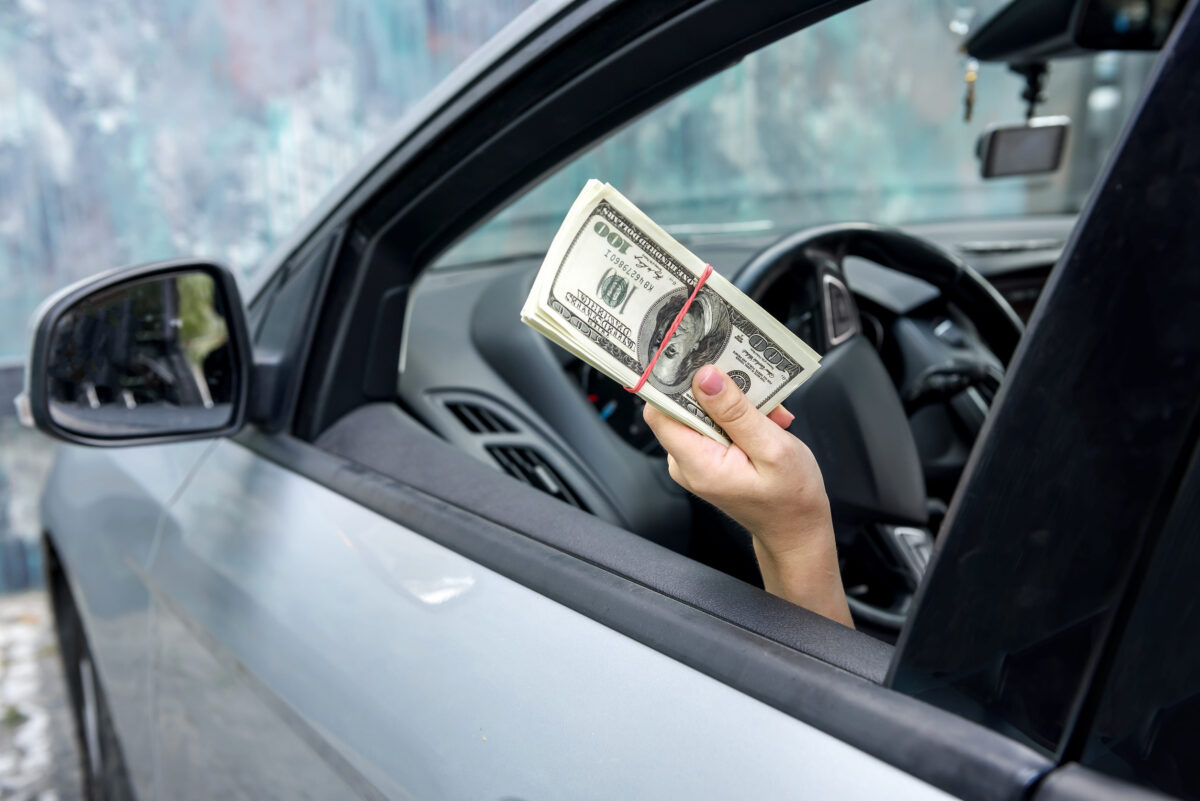
Cars are another American money sink because they come wrapped in freedom, status, convenience, and habit. The payment is only the beginning. Insurance, fuel, registration, repairs, tires, parking, interest, and depreciation can make a vehicle feel like a second rent payment on wheels.
Many people buy based on the monthly payment rather than the total ownership cost. That is where the trap begins. A shiny SUV or luxury pickup may feel earned, but the real price keeps showing up long after the excitement fades. Americans need cars in many places, but too many households own more vehicles than their lifestyles truly require.
Dining Out Like It Is Still Cheap
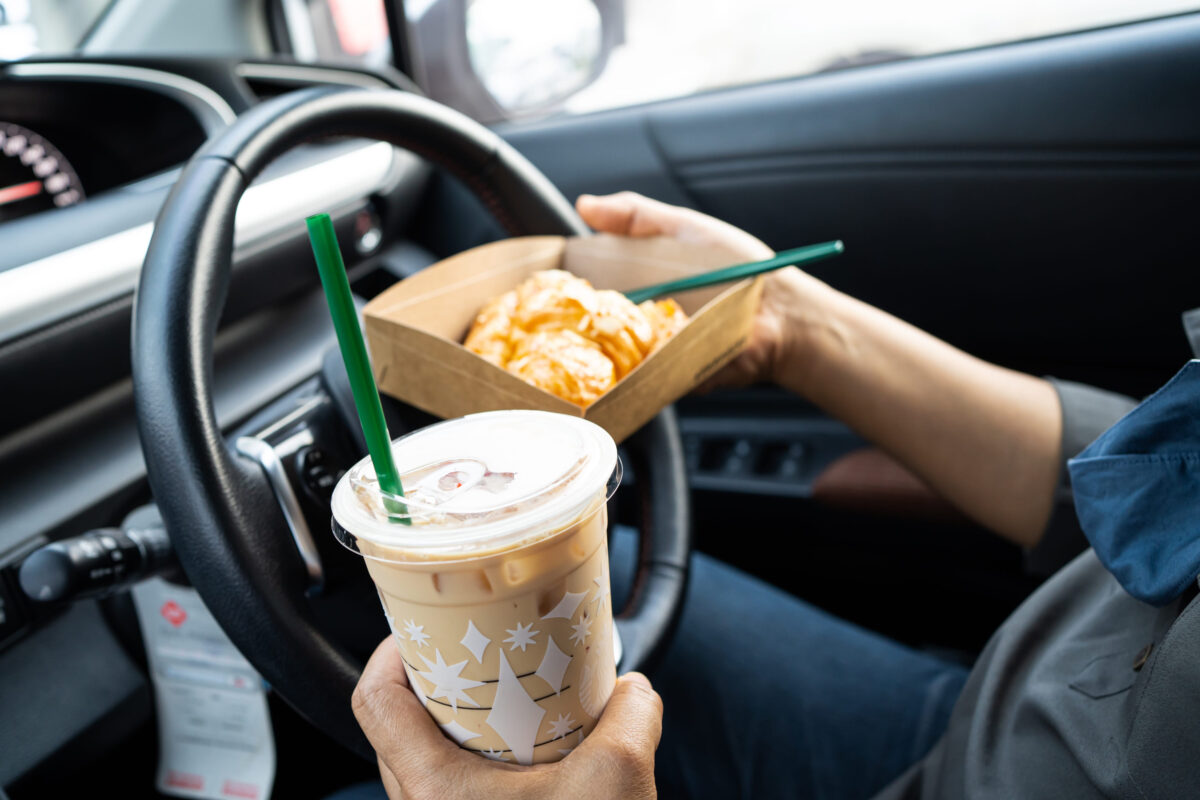
Eating out used to feel like a small treat. Now it can behave like a luxury expense disguised as convenience. Restaurant meals, drive-thru runs, coffee stops, delivery fees, app charges, service fees, and tips can turn a casual week into a financial ambush.
The worst part is that food spending is emotional. People order because they are tired, busy, stressed, lonely, social, or simply out of groceries. Nobody feels dramatic about spending $18 here and $27 there, but repeat that pattern several times a week, and the bill starts to look like a utility payment. Convenience has become one of America’s most expensive flavors.
Grocery Carts Filled With Impulse Buys
Groceries are necessary, but not every grocery bill is innocent. Americans often overspend through brand loyalty, oversized packages, snack runs, prepared foods, forgotten pantry items, and “just in case” purchases that expire before anyone eats them. The grocery store is designed to make small extras feel harmless.
The real waste comes from buying food without a plan. A cart full of good intentions can still end with spoiled produce, duplicate sauces, freezer clutter, and takeout anyway. The smartest grocery shoppers are not always the cheapest. They are the ones who buy what they will actually use.
Subscriptions That Hide in Plain Sight
Subscriptions are the sneakiest bills in modern life because they do not ask for permission every month. Streaming services, music apps, cloud storage, fitness platforms, delivery memberships, software tools, gaming passes, and retail perks all pull quietly from the same account. One subscription feels tiny. Ten subscriptions become a leak.
The real trick is emotional attachment. People keep services because they might watch that show, use that app, restart that workout plan, or need that delivery discount. Companies love that hesitation. Americans are not just paying for services anymore. They are paying for the fantasy version of themselves who uses all of them.
Credit Card Interest That Punishes Yesterday’s Spending

Credit cards are useful tools until the balance starts carrying over. Then yesterday’s dinner, holiday gift, emergency repair, or random online order begins charging rent. High interest turns old spending into a present-day problem, and minimum payments can make debt feel manageable while barely moving the balance.
This is one of the most painful ways Americans overspend because it does not always feel like shopping. It feels like catching up. Once interest takes over, people pay more for things they already bought, already used, or already forgot. That is not convenient. That is a financial treadmill with a polished plastic card attached.
Fast Fashion and Closet Clutter
Clothes are another category where Americans often spend more than they realize. Cheap shirts, trend pieces, sale hauls, shoes for one event, “vacation outfits,” and online returns that never happen can quietly build a closet full of regret. The low price tag is the bait, but the real cost is repetition.
Fast fashion makes overspending feel practical because each item seems affordable on its own. The problem is that low quality often leads to faster replacement. People end up with more clothes and fewer outfits they actually love. A smaller wardrobe of better pieces can save more money than another cart full of almost right bargains.
Phone Upgrades and Tech Status Purchases
Technology has become one of America’s favorite ways to confuse want with need. New phones, tablets, earbuds, smartwatches, laptops, accessories, cases, chargers, and protection plans all promise a smoother way of living. Sometimes they deliver. Often, they simply replace devices that were working fine.
The upgrade cycle is powerful because it sells identity. A newer phone can feel like being more organized, more stylish, more productive, or more connected. Yet many upgrades offer small improvements at a high price. Americans do not need to reject technology. They just need to stop treating every new release like an emergency.
Gambling, Sports Betting, and Lottery Dreams
Gambling spending has become easier to justify because it now appears on phones, in sports broadcasts, at gas stations, in apps, and in casual conversations. Lottery tickets, casino trips, scratch-offs, online betting, fantasy contests, and parlay slips all sell the same emotional promise. Maybe this time.
That hope can get expensive fast. The danger is not just the money lost. It is the way betting turns entertainment into a chase. Many Americans say they are only spending a few dollars, but small bets can multiply when winning feels close. The house does not need everyone to lose big. It only needs millions of people to keep trying.
Pet Spending That Crosses Into Guilt Money
Americans love their pets, and that love is real. Food, vet care, grooming, medication, boarding, toys, beds, treats, insurance, and emergency visits can all be legitimate expenses. The problem begins when love turns into guilt spending.
Pet brands understand emotion perfectly. They sell premium everything because nobody wants to feel like a bad owner. Still, a dog does not need a boutique wardrobe, and a cat does not need a toy basket larger than a toddler’s. Responsible pet care matters. Overspending to prove love can hurt the household budget without making the pet any happier.