There’s A Wrong Way To Defrost Meat, Food Safety Experts Warn.
Taking meat out of the freezer and leaving it on the kitchen counter may feel like the easiest way to get dinner moving. It is also one of the methods food safety authorities specifically warn people not to use.
The same applies to placing frozen meat in hot water. Although both shortcuts can soften meat quickly, they may warm the outer layers enough for bacteria to multiply while the center remains frozen.
According to the U.S. Food and Drug Administration, there are only three recommended ways to defrost meat safely: in the refrigerator, in cold water, or in the microwave. Each method works, but only if handled correctly.
Why the Counter Method Is Risky
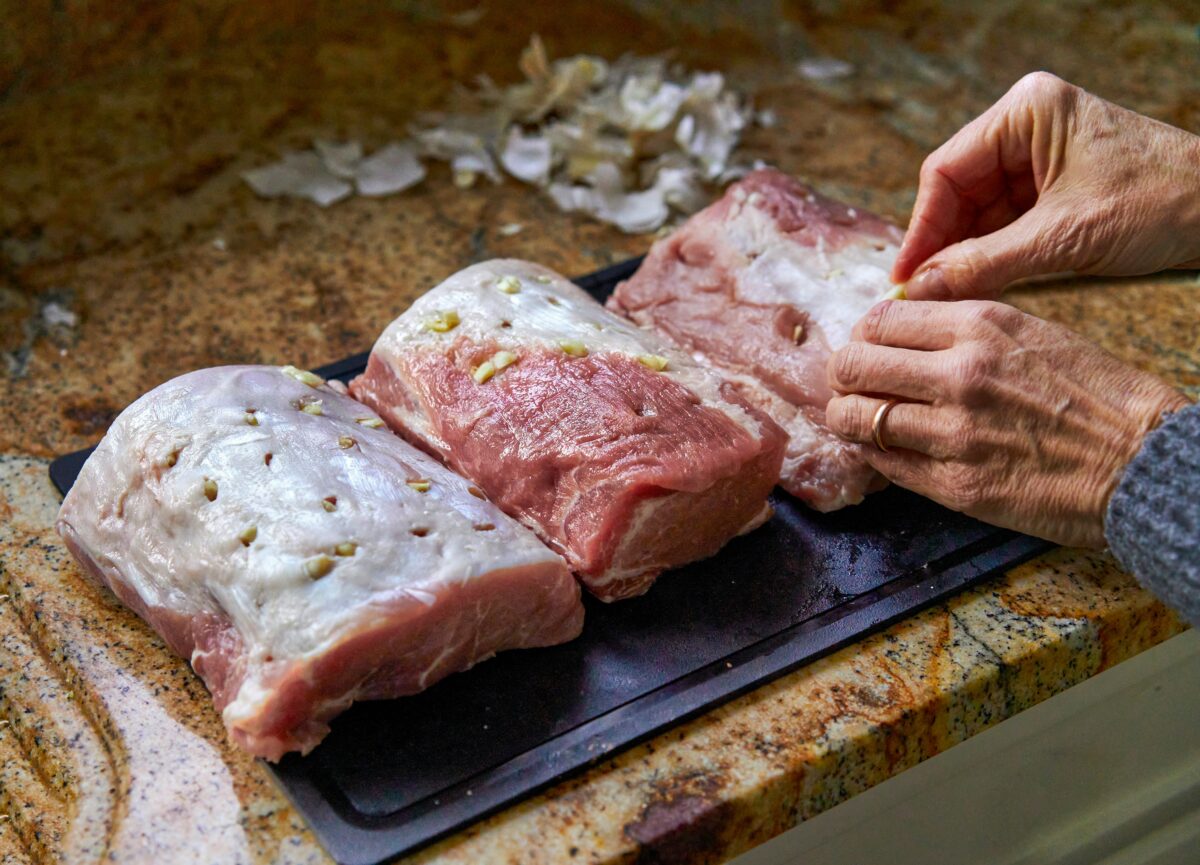
A frozen chicken breast, steak, or package of ground meat does not thaw evenly. The outside warms first, sometimes hours before the frozen center is ready to cook.
That creates a problem because bacteria grow quickly between 40°F and 140°F, or roughly 4°C and 60°C. Food safety officials call this range the “danger zone.”
Meat sitting on a counter may still feel icy in the middle while its surface has already entered that temperature range. A cool kitchen does not offer the same controlled conditions as a refrigerator.
The FDA advises that perishable food should not remain at room temperature for more than two hours. That limit drops to one hour when the surrounding temperature is above 90°F (32 °C). The safest approach is to keep frozen meat out of that situation altogether.
Hot water is not a safe workaround. It may thaw the outside even faster, exposing the surface to warmer temperatures while the center remains solid.
The Refrigerator Is the Safest Choice
Refrigerator thawing requires planning, but it involves the least hands-on work.
Place the frozen meat in a dish or container on the refrigerator’s bottom shelf. The container catches any liquid that may leak from the package, while the bottom shelf helps prevent raw juices from dripping onto food below.
The refrigerator should remain at 40°F (4°C) or colder. A separate appliance thermometer can help confirm the temperature because a refrigerator’s control dial does not always show its actual internal temperature.
Small packages may thaw overnight. Larger cuts, whole chickens, and turkeys can take considerably longer. As a general guide, the USDA advises allowing about 24 hours for every four to five pounds when thawing a turkey in the refrigerator.
The advantage is that the meat stays cold throughout the process. No water needs replacing, no microwave setting to monitor, and no need to start cooking the moment it thaws.
Cold Water Works When Time Is Short
If dinner is approaching and the meat is still frozen, cold-water thawing is a faster, safe option.
Keep the meat in leakproof packaging or a sealed plastic bag. Submerge the package in cold tap water and change the water every 30 minutes to keep it cold.
The sealed bag matters. It prevents the meat from coming into contact with water and helps keep raw juices from spreading around the sink. A leaking package may also affect the meat’s texture.
Don’t use warm or hot water to speed up the process. The goal is to thaw the meat without warming its surface.
Cook thawed meat immediately after thawing, according to both the FDA and USDA. This method requires more attention than refrigerator thawing, but it can rescue a meal when you didn’t plan ahead.
The Microwave Is Fast, With One Important Rule
Microwave defrosting is the quickest approved option, but it can begin cooking portions of the meat before the rest has thawed.
Edges may turn warm or start to cook while thicker areas remain icy. That uneven heating is why microwave-defrosted meat must go directly into the pan, oven, or grill.
Do not microwave-defrost meat and then leave it sitting while preparing the rest of the meal. Have the cooking equipment and other ingredients ready before starting the defrost cycle.
If your microwave doesn’t have a rotating tray, pause occasionally to turn the package by hand. Separate individual pieces as soon as they become loose enough to move, helping the meat thaw more evenly.
Can You Cook Meat From Frozen?
In some cases, forgetting to defrost meat doesn’t mean you have to cancel dinner. You can sometimes cook meat directly from frozen, although it will take longer.
Follow the package instructions first, especially for commercially frozen products. A food thermometer is essential because appearance, color and texture cannot reliably show whether meat is safely cooked.
Do Not Rely on Smell or Appearance
Meat that has spent too long on the counter will not necessarily smell unpleasant or look spoiled. Harmful bacteria may be present without obvious warning signs.
Cooking also does not automatically correct every mistake made during storage or thawing. Better protection is controlling the meat’s temperature from the moment it leaves the freezer.
After handling raw meat, wash your hands with soap and warm water for at least 20 seconds. Clean the sink, dishes, utensils, and any countertop the package touched with hot, soapy water. Keep raw meat separate from produce and other foods that will not be cooked.
Do not wash raw poultry. Splashing water can spread bacteria from the bird to the sink, surrounding surfaces, utensils, and nearby food.
A Little Planning Makes the Difference
The safest defrosting method is also the simplest: move tomorrow’s meat from the freezer to the refrigerator today. Put it in a container, leave it on the lowest shelf, and give the cold air time to do the work.
If that plan falls apart, cold water and the microwave remain safe alternatives, as long as you cook the meat immediately afterward.
The counter may seem faster, especially when the center of the package is still frozen. But that frozen center can hide what is happening on the surface; when it comes to defrosting meat, cold and controlled wins over quick and convenient.