9 Common Foods That Could Be Riskier Than You Think
Food can comfort us, fuel us, and bring people together around a table, but it can also become dangerous when we ignore how it is grown, stored, cooked, or consumed. Many foods sitting in everyday kitchens carry risks that most people never think about because the danger is often quiet, gradual, or hidden behind familiar packaging. The real problem is not always the food itself.
It is the amount, the frequency, the handling, and the preparation. We do not need to panic over dinner, but we do need to pay attention. A harmless-looking bowl of rice, a deli sandwich, a smoothie with raw sprouts, or a piece of fish can carry health risks when eaten carelessly over time.
Some of these foods contain natural toxins, some can accumulate environmental contaminants, and others can become dangerous when bacteria grow under the wrong conditions.
Here are 9 Common that Could be Risker Than You Think
Rice With Inorganic Arsenic
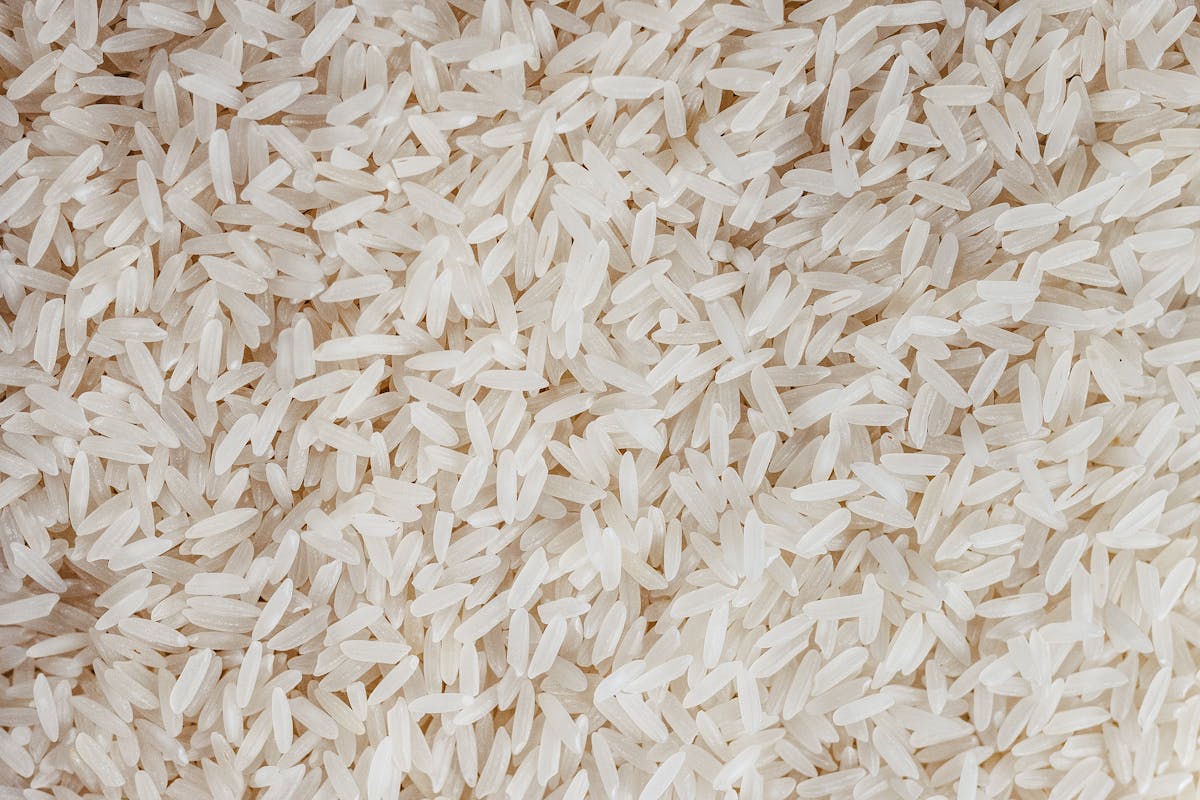
Rice is one of the most common foods in the world, but it can absorb inorganic arsenic from soil and water more easily than many other grains. That does not mean every bowl of rice is dangerous, but frequent heavy intake can increase exposure over time. This matters most for babies, young children, and people who eat rice every day as a major part of their diet.
The smarter approach is variety. We can rotate rice with oats, barley, quinoa, bulgur, millet, and other grains to reduce repeated exposure. Rinsing rice and cooking it in extra water, then draining the water afterward, may also lower arsenic levels. Brown rice can contain more arsenic than white rice because arsenic collects in the outer layers, so balance matters more than food fear.
High Mercury Fish
Fish is rich in protein, vitamin D, and omega-3 fats, but some large predatory fish carry higher levels of mercury. Swordfish, shark, king mackerel, marlin, orange roughly, bigeye tuna, and some tilefish are the main concern because they live longer and eat smaller fish that already contain mercury. Over time, mercury exposure can affect the nervous system, especially in pregnant people, babies, and young children.
We should not treat all seafood as risky. Salmon, sardines, trout, anchovies, shrimp, and many light tuna options can fit into a healthy diet when eaten sensibly. The danger comes from eating high-mercury fish too often and from assuming all fish carry the same risk. Smart seafood choices protect the brain, support heart health, and reduce exposure to one of the most concerning contaminants in the food chain.
Processed Deli Meats

Delicatessens look convenient, clean, and ready to eat, but they carry two different risks. The first is long-term exposure to processed meat compounds, including nitrates and nitrites, high sodium levels, and compounds formed during curing or smoking. The second is the food safety risk posed by bacteria such as Listeria, which can survive cold refrigerator temperatures and pose a danger to pregnant people, older adults, and anyone with a weakened immune system.
A turkey sandwich once in a while is not the same as eating processed meat every day. The problem grows when bacon, ham, salami, hot dogs, and deli slices become daily staples. We can reduce risk by choosing fresh proteins more often, reheating deli meat until steaming hot when needed, watching sodium levels, and building sandwiches around roasted chicken, eggs, beans, tuna, hummus, or vegetables instead.
Raw Sprouts
Raw sprouts sound like the perfect health food because they look fresh, light, and natural. The problem is that sprouts grow in warm, moist conditions, which are also ideal for Salmonella, E. coli, and other harmful bacteria. Alfalfa sprouts, bean sprouts, clover sprouts, and radish sprouts can look clean even when dangerous bacteria are present.
Washing raw sprouts may not remove bacteria that hide inside or are attached to the seeds. That is why cooked sprouts are safer, especially for children, older adults, pregnant people, and people with weaker immune systems. The safest move is simple: cook sprouts until steaming hot, or skip them when food safety matters more than crunch.
Green or Sprouting Potatoes
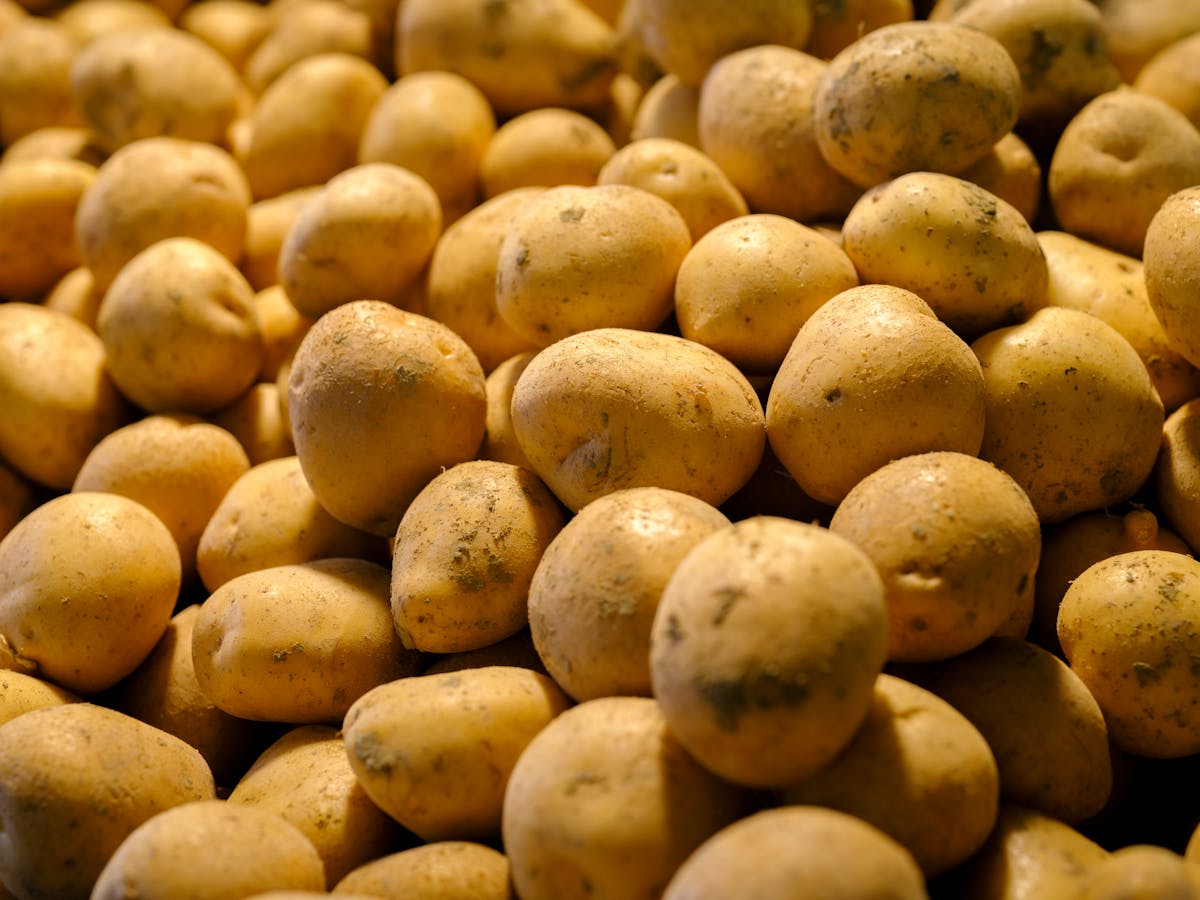
Potatoes are cheap, filling, and easy to cook, but green potatoes or badly sprouted potatoes can contain higher levels of glycoalkaloids, especially solanine and chaconine. These natural toxins help the potato defend itself, but they can cause nausea, vomiting, stomach pain, headaches, confusion, and, in large amounts, more serious poisoning. The green color itself comes from chlorophyll, but it often signals that toxin levels may have increased.
Cutting away a small green spot can help if the rest of the potato looks firm and normal. However, potatoes that are heavily green, bitter, shriveled, soft, or covered in sprouts should be thrown away. Cooking does not reliably destroy these toxins, so safe storage matters. Keep potatoes in a cool, dark, dry, well-ventilated place, away from onions and away from bright kitchen light.
Undercooked Kidney Beans
Kidney beans are healthy when properly cooked, but raw or undercooked kidney beans can contain high levels of phytohaemagglutinin, a natural lectin that can trigger intense vomiting, diarrhea, and abdominal pain. The risk is especially serious when dry beans are soaked but not boiled hard enough. Slow cookers can be a problem if they never reach the temperature needed to destroy the toxin.
The fix is not complicated. Soak dry kidney beans, discard the soaking water, then boil them thoroughly in fresh water before simmering. Canned kidney beans are already cooked and are usually safe to eat after heating. Beans are among the most affordable foods we have, but kidney beans require proper heat before they belong on the plate.
Home Canned Vegetables
Home canning can preserve garden food beautifully, but low-acid foods can become deadly when canned incorrectly. Vegetables, meats, poultry, seafood, and some tomato products can create the right environment for Clostridium botulinum, the bacteria linked to botulism. Botulism is rare, but it is severe because the toxin can attack nerves and cause paralysis.
The biggest mistake is treating all canning methods as equal. Low-acid foods require pressure canning, not simple boiling-water canning. Bulging lids, leaking jars, strange smells, spurting liquid, or food that looks cloudy or moldy should never be tasted. With botulism, even a tiny taste can be dangerous, so questionable jars belong in the trash, not on the dinner table.
Raw Flour and Cookie Dough
Most people worry about raw eggs in cookie dough, but raw flour is a hidden risk too. Flour looks dry and harmless, yet it is a raw agricultural product that can carry E. coli and Salmonella. Since flour usually gets cooked or baked before eating, manufacturers do not treat most flour as ready-to-eat food.
That means raw cookie dough, cake batter, homemade play dough, and no-bake mixtures made with untreated flour can be risky. Baking, frying, roasting, or boiling is what makes flour safe to eat. We should also wash our hands, counters, bowls, and utensils after handling raw flour, as the dust can spread easily throughout a kitchen.
Cassia Cinnamon in Large Amounts
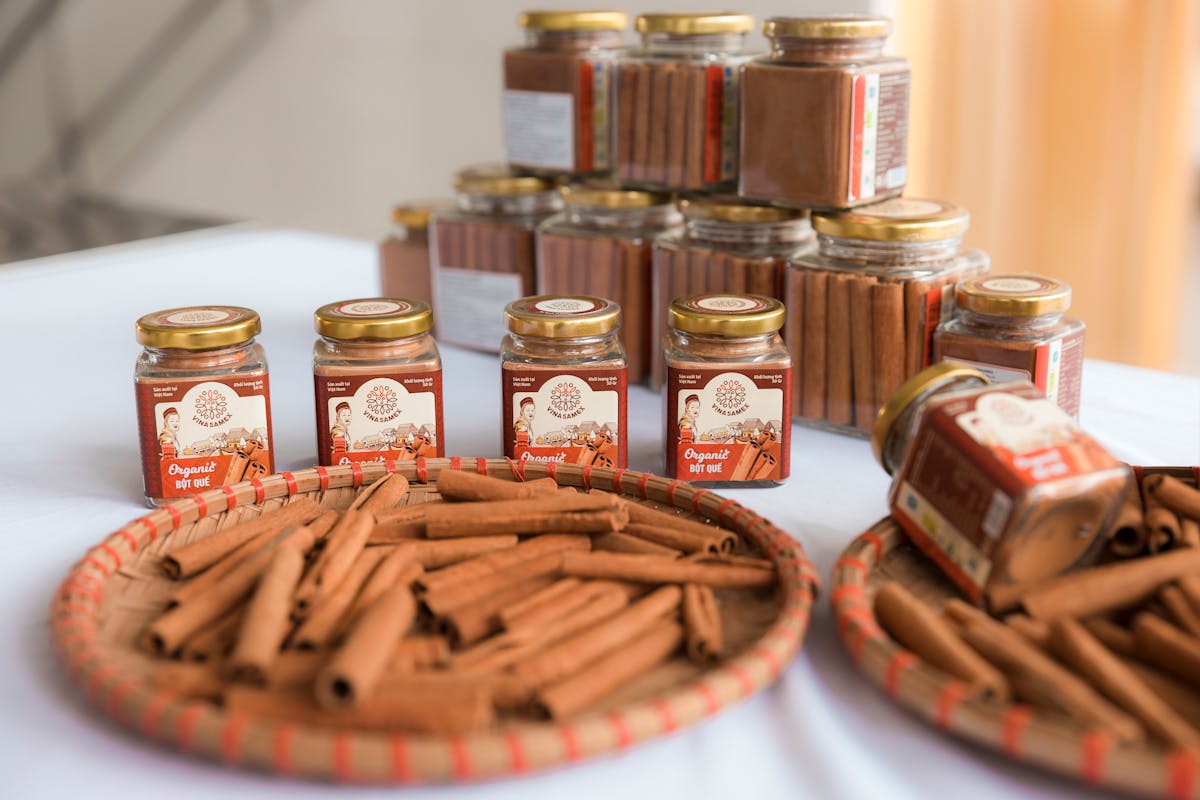
Cinnamon is warm, sweet, and common in coffee, oatmeal, pastries, and supplements. The concern is Cassia cinnamon, which can contain higher levels of coumarin, a natural compound linked to liver stress when consumed in large amounts for a long time. A sprinkle on toast is not the issue. Daily spoonfuls, heavy cinnamon challenges, strong cinnamon teas, and high-dose supplements can turn a familiar spice into a quiet problem.
People who already have liver disease or take medicines that affect the liver should be especially careful with large cinnamon intake. Ceylon cinnamon usually contains much less coumarin than Cassia cinnamon, so it may be a better choice for frequent use. Spices can enhance flavor, but they should never be treated like a free-for-all medicine.
Conclusion
The most dangerous foods are not always exotic, strange, or obviously spoiled. Sometimes they are ordinary foods we trust because we have eaten them for years without thinking twice. Rice can carry arsenic, fish can carry mercury, deli meat can carry Listeria, potatoes can develop natural toxins, and flour can spread bacteria before it ever reaches the oven. These risks do not mean we must live in fear of our kitchens. They mean we should respect food safety the same way we respect nutrition.
A safe diet depends on variety, proper cooking, careful storage, and moderation. We protect ourselves by rotating grains, choosing lower-mercury seafood, limiting processed meats, cooking risky foods properly, avoiding raw flour, storing potatoes in the dark, and treating home-canned foods with serious care. Food should nourish us, not quietly work against us. The difference often comes down to what we do before the first bite.