6 Grocery Shopping Mistakes That Can Cost You More Than You Realize
Small decisions made during a grocery trip can have a bigger effect on the final bill than many shoppers expect. It is not always about buying expensive items. Sometimes, extra spending comes from habits that seem harmless: purchasing something already sitting at home, choosing a larger package without a plan, or adding sale items that do not fit into upcoming meals.
A few simple changes in the way you approach grocery shopping can help you make more intentional choices. Checking what you have, comparing prices carefully, and thinking about how food will actually be used can make each trip more efficient.
Shopping Without Checking What You Already Have
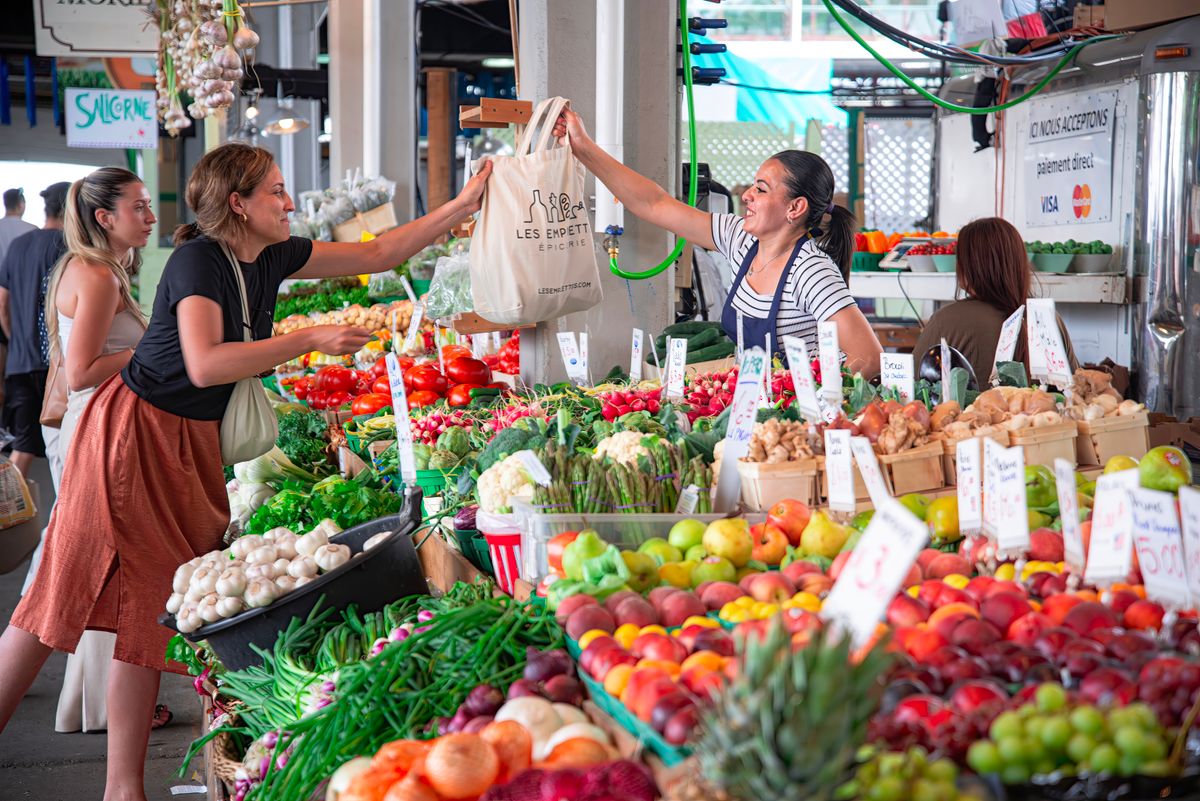
Walking into the store without looking through your pantry, refrigerator, and freezer first can make it easier to buy items you already own. A shopper may pick up ingredients for a meal plan without realizing those same ingredients are already waiting at home.
Before creating a grocery list, take a quick inventory of what is available. Existing items such as rice, vegetables, frozen chicken, or pasta sauce may already fit into upcoming meals. Planning around what is already on hand can help avoid duplicate purchases and make better use of food that has already been bought.
The University of Maine Cooperative Extension recommends planning meals and shopping with a list as part of a food-cost-saving strategy. The goal is not to avoid buying more groceries. It is to know what you actually need before you shop.
Related: 7 Alarming Ways Rising Costs Are Shrinking the American Grocery Cart
Buying More Because the Package Looks Like a Better Deal
A larger package can look like the obvious choice when it has a lower cost per unit. However, a lower per-ounce price does not automatically mean a shopper is getting a better value. The real question is whether the household can realistically use the amount being purchased.
Larger quantities can make sense for shelf-stable foods or items that can be frozen and used later. But if the extra amount does not fit into your plans, the lower unit price may not translate into actual savings.
Instead of asking only, “Which package costs less per unit?” consider asking, “Which package will I actually use?” The best choice is usually the amount that matches your needs, not simply the biggest option available.
Ignoring the Unit Price
The large price printed on a package does not always tell the full story. Unit pricing helps shoppers compare products by showing the cost of a standard amount, such as an ounce, pound, quart, or gallon.
Checking the unit price can make it easier to compare different package sizes and brands. A smaller package may sometimes be a better value, while a larger package may sometimes offer savings. The unit price provides a clearer way to compare the options instead of relying only on the shelf price. The University of Maine’s guide to cutting food costs specifically advises shoppers to compare products using unit-pricing labels.
For example, a University of Maine Extension example listed raw carrots at $0.99 per pound and baby carrots at $1.99 per pound. This was an example from extension material, not a current national grocery price.
Before choosing between similar products, take a look at the smaller unit price on the shelf tag.
Related: 10 Grocery Items Americans Are Cutting Back On Due to Inflation
Shopping Without a List
Entering the grocery store without a plan can make it harder to stay focused. Without a list, shoppers may end up making extra purchases or taking additional trips because important items were forgotten.
A useful grocery list starts before the shopping trip. Build it around planned meals, ingredients already available at home, and the amount of fresh food the household can realistically use.
A list does not mean every shopping trip has to be rigid. It simply gives your purchases a purpose before you begin walking the aisles. Creating the plan first can help you shop for what you need instead of deciding everything while standing in the store.
Choosing Convenience Versions Without Comparing the Cost
Convenience can be valuable, especially when saving preparation time matters. However, convenience products may cost more because additional preparation and packaging can increase the price.
The difference may be worth it for some shoppers, but it helps to compare the cost before making the choice. University of Maine Extension examples include individually packaged cereal and instant varieties costing more per serving than larger boxes, as well as shredded cheese costing more than an equivalent amount sold in blocks or wedges.
The question is not whether convenience is a bad choice. It is whether the extra cost provides enough value for the time saved. Before paying for a more prepared version, compare it with the less-prepared alternative.
Letting Sales Determine What Goes Into the Cart
Sales can be useful when they apply to foods a household already uses and can store appropriately. A discounted item that fits into planned meals can be a practical purchase.
The problem comes when a promotion becomes the reason for buying something instead of the actual need for it. An item may not be a good purchase if it was not part of the plan, does not have a realistic use, or does not fit into upcoming meals. USDA-supported research on food-cost strategies identifies meal planning, using food already on hand, list-based shopping, unit pricing, and coupon use as related skills that can help households manage food spending.
A sale is most helpful when the food already has a purpose. A lower price is only useful if the purchase makes sense for your household.
Saving money at the grocery store is less about always choosing the cheapest option or never buying something convenient. It is about making purchases with intention. Checking what you already have, shopping from a specific list, comparing unit prices, choosing package sizes carefully, weighing convenience costs, and using sales thoughtfully can all help your grocery budget go further.