10 Countries Russia Has Invaded Over the Years
Russia’s military expansion has left a trail of devastation across many borders. Despite global attempts to halt its aggression, the list of nations under threat continues to grow. In this article, we explore the historical and current invasions, highlighting the long-lasting effects on global security and the lives of countless civilians. As tensions rise, it’s clear: the world is facing a volatile future, with Russia at its center.
Ukraine
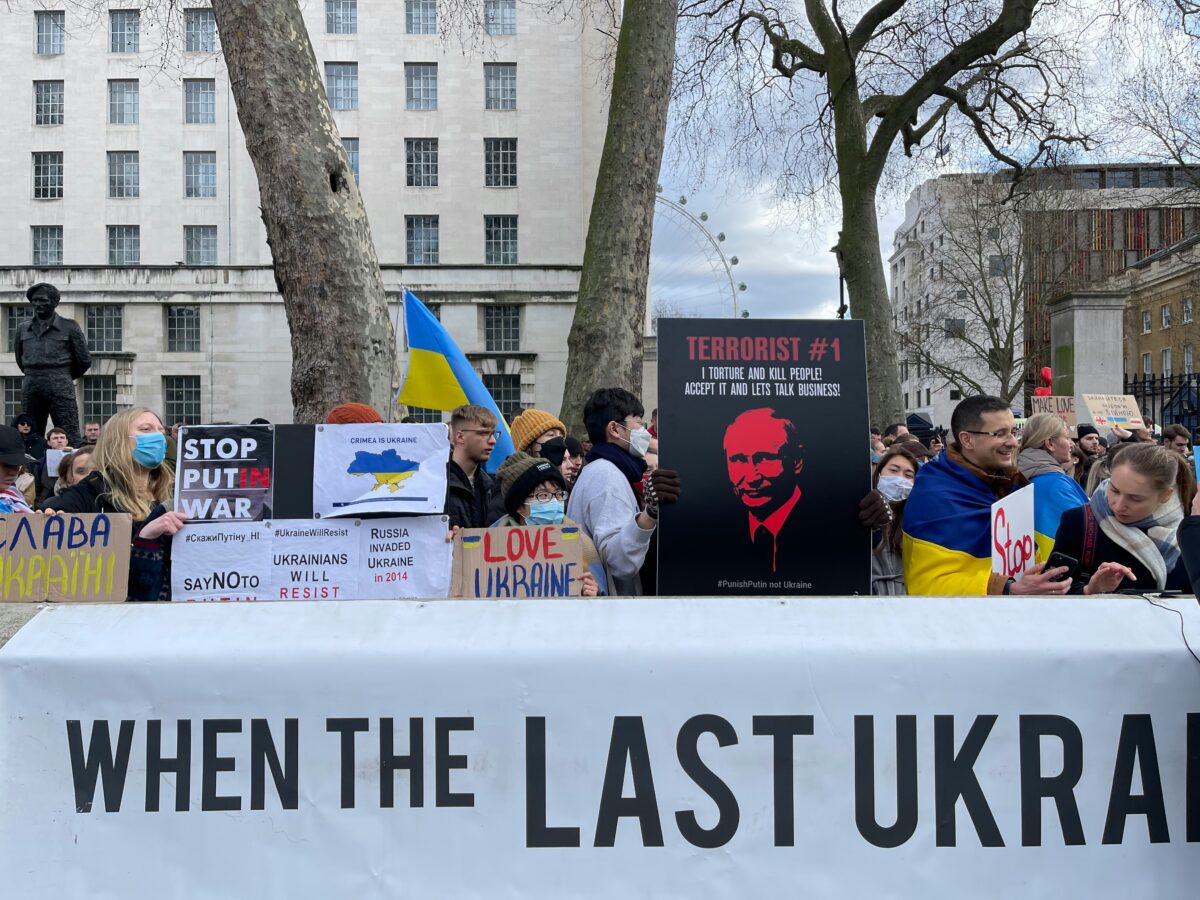
Russia’s 2022 invasion of Ukraine marked one of the most significant military offensives since World War II. The brutal attacks on Kyiv and other cities sparked international outrage, with millions fleeing their homes. Despite fierce resistance, the conflict has created one of the largest refugee crises in Europe, straining international relations and security.
Georgia
In 2008, Russia invaded Georgia, targeting the regions of South Ossetia and Abkhazia. Despite a ceasefire agreement, Russia continues to hold significant influence over these territories, which has caused instability in the Caucasus region. The invasion remains a reminder of Russia’s aggressive strategy to destabilize neighboring nations for territorial gain.
Moldova
Moldova’s sovereignty has been undermined by Russian-backed separatists in the Transnistria region. Russia has provided military support to separatist groups, creating a frozen conflict that continues to threaten Moldova’s territorial integrity. The presence of Russian troops in the region is a constant reminder of Russia’s expansionist ambitions in Eastern Europe.
Crimea
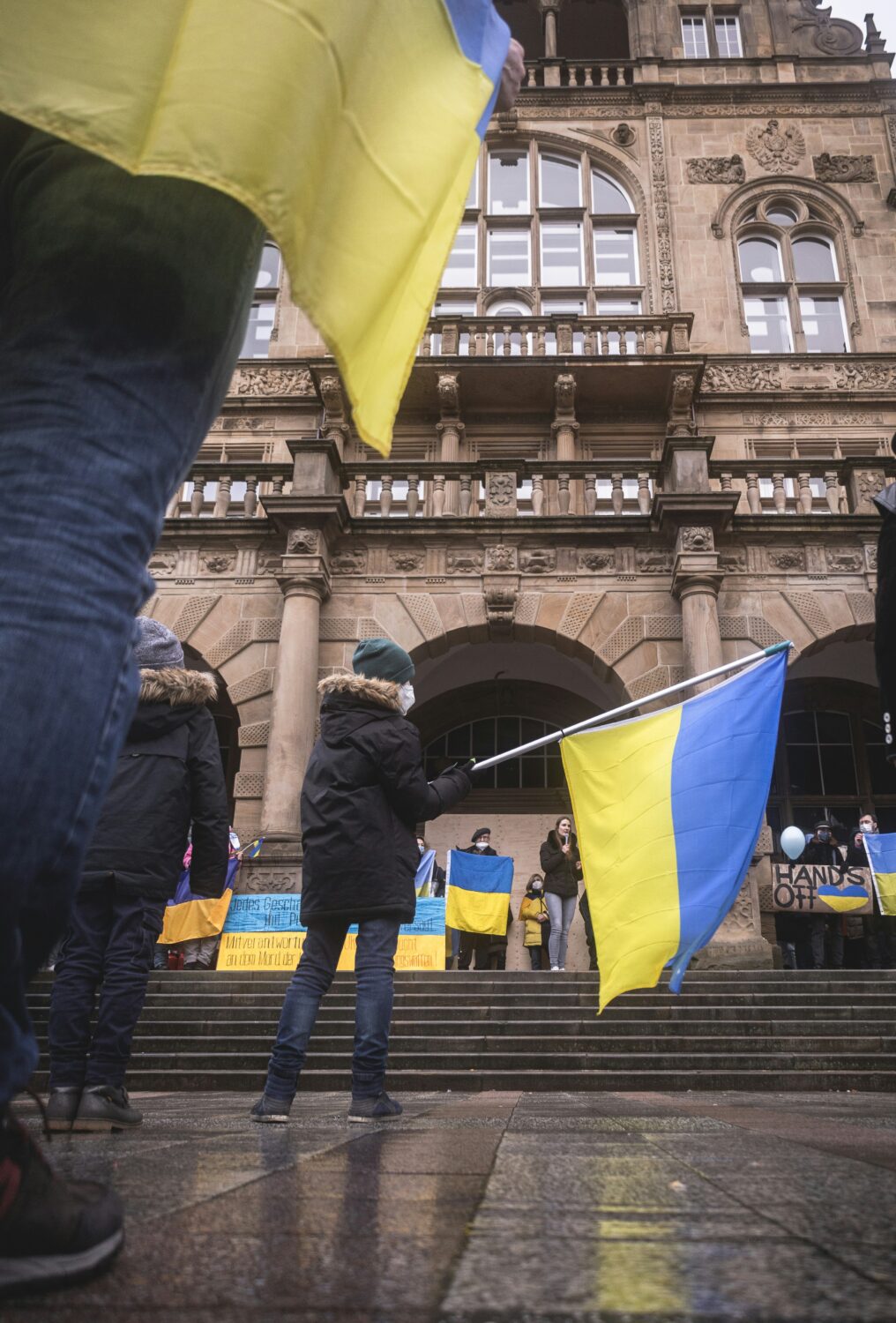
In 2014, Russia’s annexation of Crimea was one of the boldest moves in recent history. Despite widespread condemnation, Russia consolidated control over the peninsula, using military force to suppress Ukrainian sovereignty. The international community’s failure to reverse the annexation has led to further instability in the Black Sea region.
Syria
Russia’s involvement in Syria since 2015 has deepened the country’s civil war, providing critical military support to President Bashar al-Assad. This intervention has resulted in massive civilian casualties and has complicated international peace efforts. Russia’s support for the Syrian regime also serves to strengthen its influence in the Middle East, at the cost of global peace.
The Baltic States
Countries like Estonia, Latvia, and Lithuania are increasingly worried about Russian military activity in the region. With historical ties to Russia and proximity to its borders, these Baltic nations live in constant fear of potential invasion. NATO’s presence in the area has been a key deterrent, but the threat of Russian expansion remains ever-present.
Finland
While Finland has historically maintained neutrality, Russia’s aggressive actions in Ukraine have led to a shift in national defense policies. The possibility of Russian incursions into Finnish territory has prompted the country to reconsider its stance and prepare its military forces for potential threats.
Kazakhstan
Bruno/ Unsplash
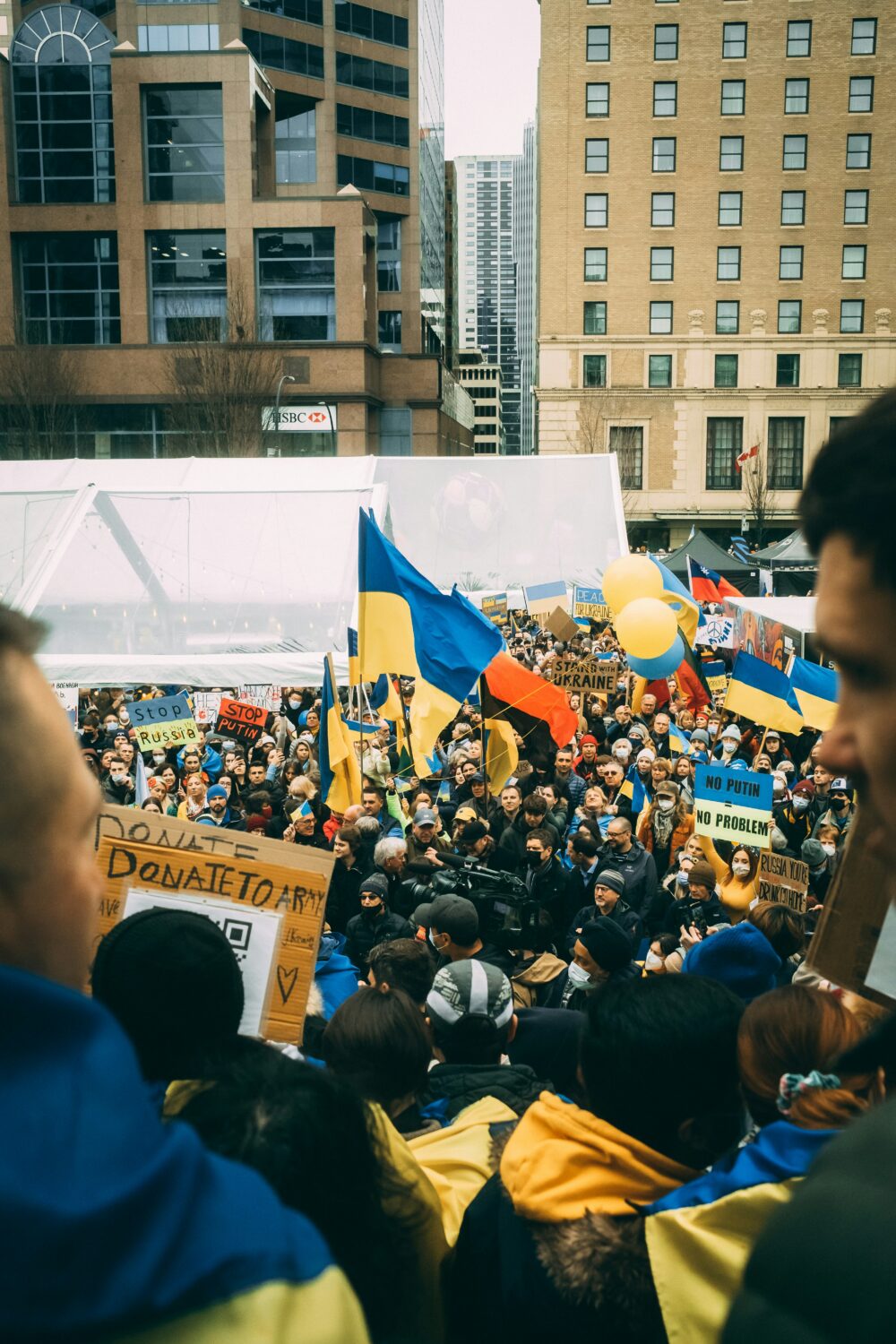
Kazakhstan’s close ties with Russia have made it a target of Moscow’s strategic interests. In recent years, Russia has used political influence and military presence to maintain control over its former Soviet satellite. Although Kazakhstan has managed to avoid a full-scale invasion, its sovereignty continues to be under threat as Russia seeks to extend its reach across Central Asia.
Belarus
Belarus, once a sovereign state, has increasingly become a Russian puppet. Under the leadership of President Alexander Lukashenko, Belarus has aligned itself closely with Russia, allowing for Russian military presence and support. The partnership has stripped Belarus of much of its autonomy, positioning it as a base for Russian military activities in Europe.
The Arctic
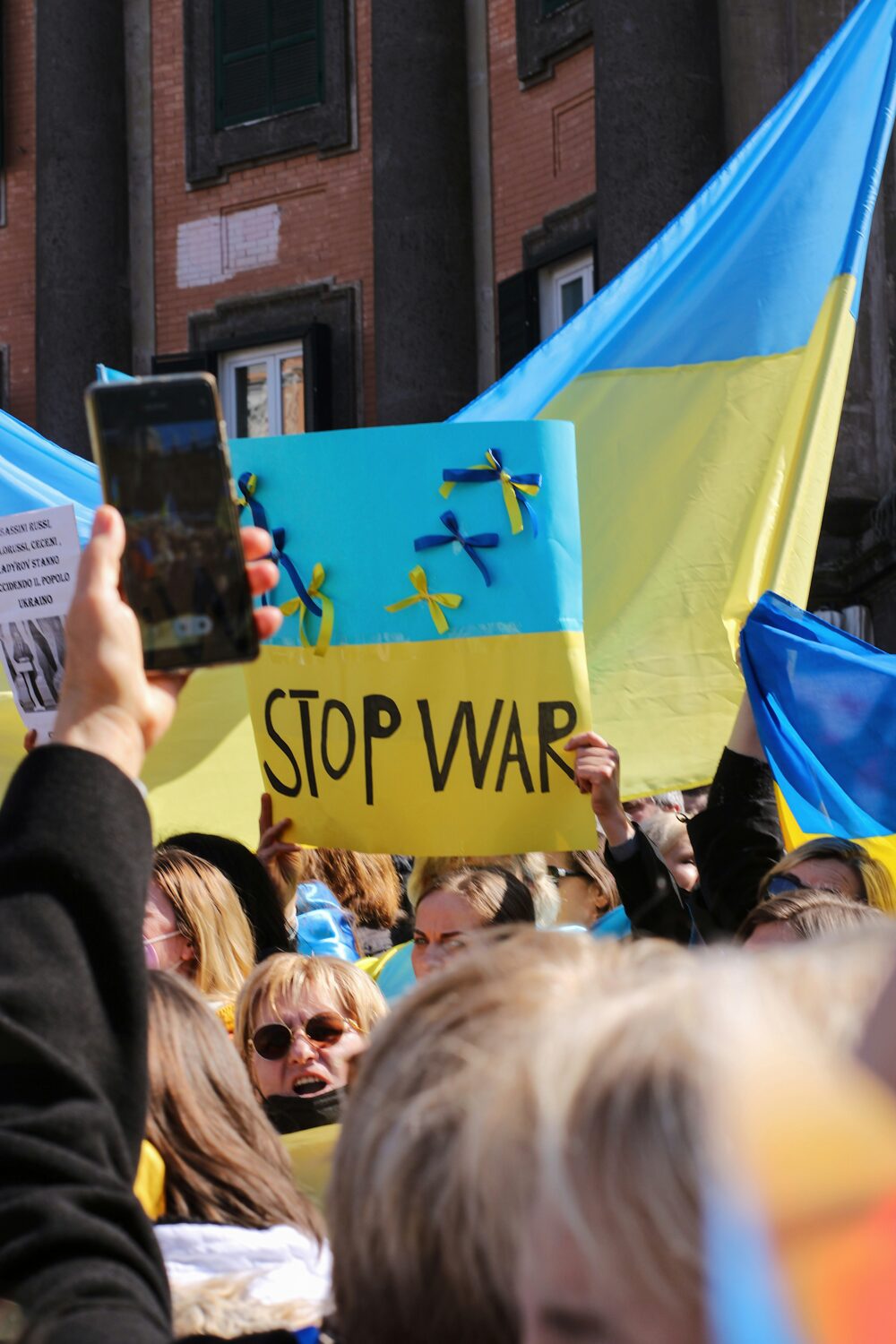
Russia’s growing presence in the Arctic, with its efforts to assert control over critical shipping lanes and natural resources, poses a potential threat to global security. The melting ice caps have opened up new routes for Russian naval forces, while the race for energy resources in the region fuels tensions with other Arctic nations, including the U.S. and Canada.
Conclusion
Russia’s pattern of invasions and territorial expansions reveals a calculated strategy to maintain dominance over former Soviet territories and secure its geopolitical interests. As the world watches, the global community must decide how to confront this ongoing threat to stability. The future remains uncertain, but one thing is clear: Russia’s aggressive policies show no sign of stopping anytime soon. The international response will determine whether global peace prevails or conflict intensifies in the years to come.