Heat-Related Deaths Reach 25 as Violent Storms Sweep the East Coast, Bringing Flood and Wind Threats
The holiday weekend turned from hot to hazardous across the eastern United States, as a punishing heat wave left families searching for shade, power grids straining under demand, and officials warning that the danger was not over just because the thermometer was finally beginning to dip.
By Sunday, the weather story had shifted from one threat to two. The heat dome that baked much of the central and eastern U.S. was beginning to weaken, but in its place came another problem: storms capable of dumping heavy rain, flooding streets, knocking down trees and cutting power to people who had already spent days trapped in dangerous heat.
The National Weather Service warned that hot temperatures were still expected along the Mid-Atlantic, Southeast, and lower Mississippi Valley, while heavy rainfall and severe thunderstorms could bring flooding and damaging wind gusts across parts of the eastern U.S.
The Heat Wave Has Already Turned Deadly

The human toll has been grim. Reports put the number of heat-related deaths at 25 across several states, including deaths in New Jersey, Illinois, and Mississippi. In New Jersey alone, officials reported at least 22 suspected heat-related deaths across 10 counties, mostly in the central and northern parts of the state. Earlier official updates had confirmed 19 suspected heat deaths, showing how quickly the numbers were changing as the heat emergency unfolded.
New Jersey Health Commissioner Dr. Raynard Washington said the state began seeing suspected heat-related deaths as early as Thursday. Many victims, he said, were found in homes without air conditioning, while others were discovered outside, on streets or in parked cars.
That detail is the part that should stop people cold. Extreme heat is not always dramatic from the outside. It does not tear off roofs or send sirens screaming down every block. Sometimes it sits quietly inside a house with no working air conditioner. It builds overnight. It drains the body hour by hour until the danger becomes irreversible.
Gov. Mikie Sherrill called the stretch of weather the hottest the state had seen in more than 14 years and warned that the heat was not only dangerous for seniors or people with existing health problems. People of all ages were at risk.
Records fell across the region. LaGuardia Airport hit 104 degrees on Thursday, breaking a record set in 1966. Trenton reached 101, Newark climbed to 105, and Atlantic City hit 106 by Saturday. The most dangerous part was not just the daytime heat, but the lack of relief at night, when bodies normally recover.
Then Came the Storms
The same atmosphere that helped trap heat also helped load the sky with moisture. As the heat dome weakened and boundaries shifted, thunderstorms began firing across the Midwest, Mid-Atlantic, and Northeast.
By early Sunday afternoon, about 900,000 utility customers across parts of the central, eastern, and southern U.S. were without power. Michigan and Pennsylvania were among the hardest-hit states, with more than 223,000 outages in Michigan and nearly 170,000 in Pennsylvania.
That is where the danger becomes especially cruel. A power outage after a storm is frustrating in normal weather. A power outage after days of extreme heat can become a medical emergency, especially for older adults, small children, people with disabilities, and anyone who depends on electricity for cooling, medication, or medical devices.
The National Weather Service office in Philadelphia/Mount Holly warned that the central and northern parts of its forecast area were under a Flood Watch from late Sunday into Monday, with a Heat Advisory still in effect across most of the area. Forecasters said rainfall rates could exceed 2 inches per hour, and stronger storms could bring damaging winds and frequent cloud-to-ground lightning. Heat index values were still expected to reach 100-105 degrees in many places.
The Weather Prediction Center also raised serious concern for flooding, placing a Moderate Risk of excessive rainfall from eastern Pennsylvania through southeast New York. Its discussion described a deep plume of tropical moisture stretching from the Gulf Coast into southern New England, creating an atmosphere primed for heavy rainfall. Some corridors could see more than 3 inches of rain, with isolated higher totals possible.
Why the Threat Is Not Over
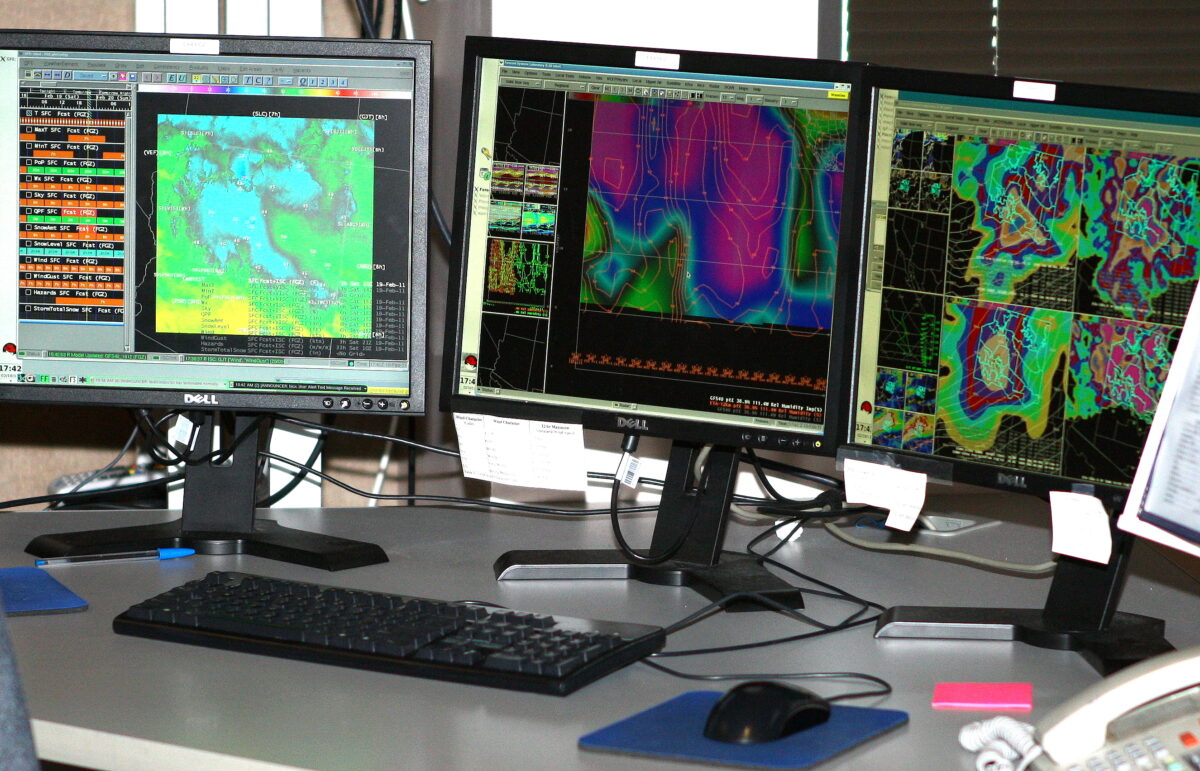
For the New York City region, forecasters warned of multiple rounds of showers and thunderstorms from Sunday afternoon into Monday night. The National Weather Service said widespread totals of 2 to 3 inches were possible, with localized amounts of 4 inches or more. Rainfall rates could reach 1 to 2 inches per hour, enough to overwhelm streets, basements, underpasses, and poorly drained areas.
That means the East Coast is now dealing with weather whiplash. First came the blazing heat, the kind that buckles routines, cancels parades, and turns sidewalks into ovens. Its reported that more than half of the U.S. population was under heat alerts on Friday, while the power grid operator PJM asked some customers to conserve electricity as demand surged.
Now comes the water and wind. The danger is not only in dramatic flash flooding. It is also in stalled traffic, flooded basements, delayed trains, falling branches, soaked electrical equipment, and families suddenly trying to cool homes without power. It is the chain reaction that makes summer storms more dangerous after a heat wave: people are tired, infrastructure is strained, and the margin for error is thin.
Officials are urging residents to stay weather-aware, keep multiple ways to receive alerts, avoid flooded roads and check on neighbors who may not have air conditioning or reliable transportation.
The heat may be easing in some places, but the emergency has not simply ended. It has changed shape. Across the East Coast, the same weekend that brought blistering temperatures is now bringing heavy rain, damaging winds, and a reminder that summer weather can turn from uncomfortable to dangerous with very little warning.