Put Down the Pasta Machine: This Ricotta Gnocchi Makes Homemade Dinner Feel Like a Cheat Code
Homemade pasta has a talent for sounding like a weekend project. There is the equipment, the flour-covered counter,, and the suspicion that dinner might need a tutorial before it needs a fork. Ricotta gnocchi offers a less demanding way in. Instead of rolling thin sheets or preparing potatoes, you mix a soft cheese-based dough, roll it into ropes and cut it into little dumplings. King Arthur Baking’s version lists a total time of 25 minutes and requires no pasta machine.
The appeal is not that someone has removed all the cooking from cooking. You still need to choose your ingredients carefully, drain the ricotta and handle the dough gently. But the process gives beginners something refreshingly manageable: a short ingredient list, straightforward shaping, and a quick trip through boiling water. The result is homemade gnocchi without the potato-cooking and ricing steps that typically come first in a potato-based version.
Why Ricotta Makes the Whole Project Less Intimidating
The useful shortcut is right there in the name: ricotta. In King Arthur’s recipe, it replaces the cooked potatoes and joins Parmesan, an egg yolk, salt, and all-purpose flour. A pinch of nutmeg is optional. The recipe gives no instructions for kneading a firm dough, running it through rollers, or carefully sealing individual parcels. Once the mixture comes together, your main shaping assignment is to roll and cut. A sharp knife works if you do not have a bench scraper.
Recipe developer David Turner prioritized tenderness over speed. “My goal was to make the most tender gnocchi,” he told King Arthur Baking writer Rossi Anastopoulo. “During testing, I found the three keys to achieving that were the type of cheese you use, taking time to drain the ricotta, and the way you handle the dough.” That gives home cooks three specific things to focus on instead of a vague instruction to somehow develop a feel for pasta.
J. Kenji López-Alt makes a similar case for the method in his Serious Eats recipe, describing ricotta gnocchi as potato gnocchi’s “faster, easier” counterpart. His explanation also offers an important guardrail: simple doesn’t mean the details are irrelevant. The ingredient proportions and mixing method still matter. For a first attempt, follow one complete recipe rather than borrowing the flour quantity from one version and the egg quantity from another. The formulas are not identical.
The Small Step That Keeps Dinner From Becoming a Doughy Disappointment
Before reaching for the mixing bowl, check the ricotta label. Turner recommends a variety without gums or stabilizers for the most tender results, along with freshly grated Parmesan. King Arthur’s recipe prefers whole-milk ricotta. This is not a requirement to make your own cheese or track down an elaborate specialty ingredient; it is a reminder that the main ingredient deserves a closer look before everything else goes into the bowl.
Next comes the paper-towel step, which is considerably more useful than it sounds. Spread the ricotta over a plate lined with three layers of paper towels, then add more towels on top and gently press to absorb moisture. Turner explains why: “This ensures the dough is not too wet, which could cause the gnocchi to fall apart when cooked.” López-Alt also warns that excess moisture can push cooks to add more flour, producing denser, chewier gnocchi.
For a clear starting point, Turner’s recipe calls for 1 cup (227 grams) ricotta; ¼ cup (25 grams) finely grated Parmesan; 1 large egg yolk; ½ teaspoon table salt; and ½ cup (60 grams) all-purpose flour. Add nutmeg only if you want it. The stated yield is two main-course portions or four appetizer portions, so this is a small dinner batch rather than an unspecified mountain of pasta.
After blotting the ricotta, stir in the Parmesan, yolk, salt, and optional nutmeg, then add the flour. The target is a cohesive dough that remains slightly sticky, not a completely dry ball. If measuring flour by volume, King Arthur advises spooning it gently into the cup and leveling off the excess. Turner’s broader instruction is worth keeping nearby: “Don’t overthink it, and don’t overwork it. Ricotta gnocchi are simple by nature.”
Related: 7 Kitchen Tips Every Home Cook Should Know
Roll, Cut and Cook, Then Keep the Sauce Simple
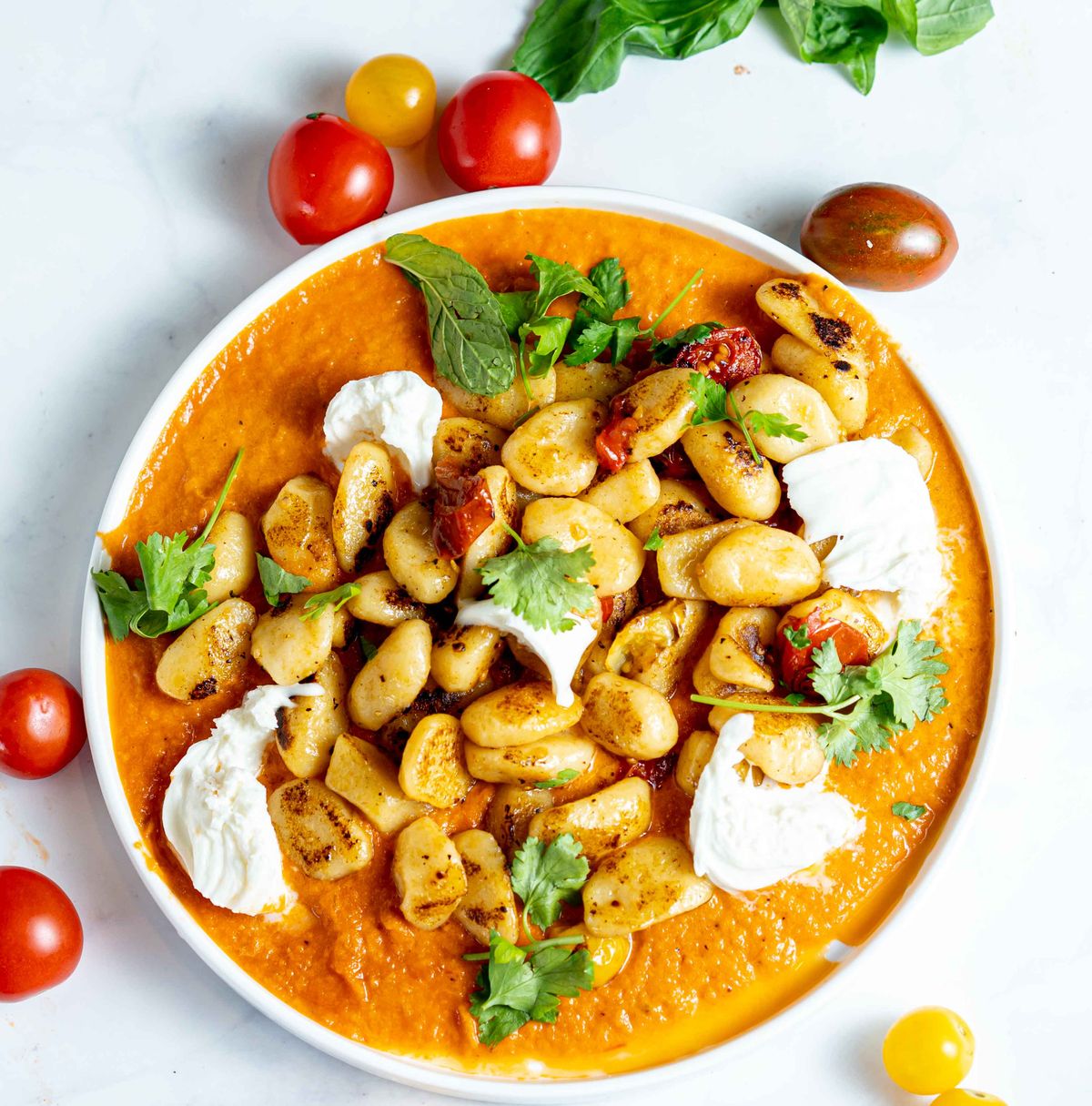
Start a large pot of salted water and dust a baking sheet with flour. On a floured surface, gently shape the dough into a roughly 5-inch square, then divide it into four pieces. Roll each piece into a rope about ½ inch thick and 18 to 20 inches long. Cut crosswise into ½-inch pieces, adding a little flour to the knife if it sticks. Transfer the gnocchi to the prepared sheet and gently jiggle to coat. No decorative ridges are necessary.
Cook about one-third of the batch at a time, stirring immediately to discourage sticking. In Turner’s recipe, the gnocchi should float after about 30 seconds; let them cook for another minute before lifting them out with a slotted spoon or strainer. Floating is therefore a cue to keep watching, not an instruction to remove them instantly. Add the cooked dumplings directly to your chosen sauce, repeat with the remaining batches and serve immediately.
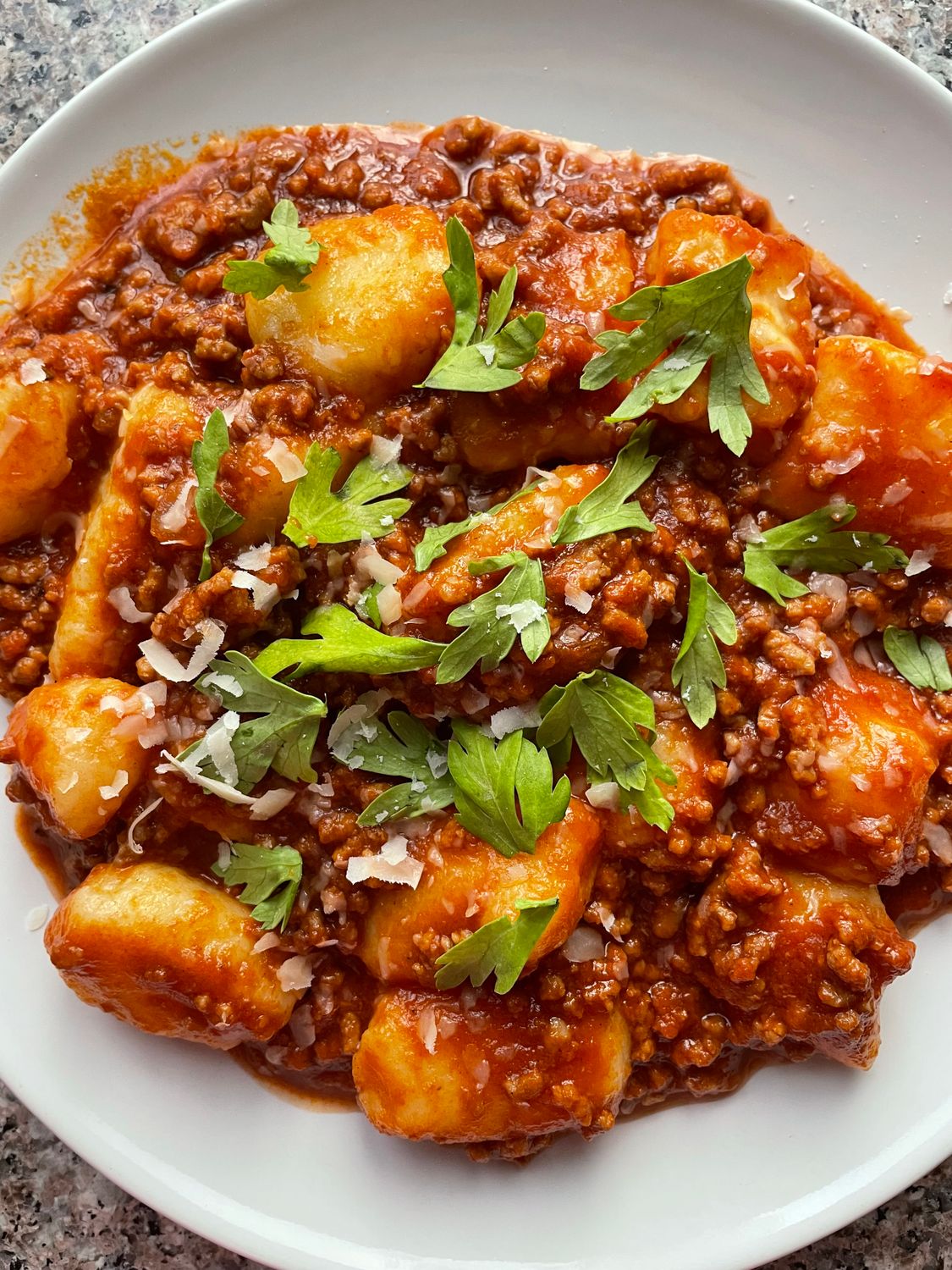
The sauce does not need its own dramatic storyline. “I like to enjoy the gnocchi plain, with just butter and salt,” Turner says. “But pesto would be nice as well.” López-Alt’s separate recipe serves them with marinara and fresh herbs, another option if you prefer tomato sauce. Butter or pesto keeps the serving plan particularly straightforward when you are already concentrating on a new technique.
There is also a practical make-ahead route. For Turner’s version, freeze the shaped, uncooked gnocchi in a single layer on a flour-dusted baking sheet, then transfer them to an airtight container once solid. King Arthur gives a freezer-storage window of up to three months and says to cook them directly from frozen, adding 30 to 60 seconds. That turns one manageable dough-making session into a future dinner with the shaping already done, and leaves the pasta machine out of the conversation entirely.
Other Post You Might Also Like
.Top 6 Foods That Deliver More Protein Than Eggs
.9 Unique and Strange Japanese Foods You Must Try
.6 Essential Foods to Keep Your Muscles Strong and Healthy as You Age