Walkinshaw Says Epstein Redactions Are Shielding Trump, and the Fight Is Getting Hotter
When the Justice Department says it identified more than 6 million potentially responsive pages tied to Jeffrey Epstein but released only about 3.5 million, the obvious question is simple: what is still hidden, and why? That gap is now at the center of a fresh political storm, after Democratic Rep. James Walkinshaw accused the Justice Department of using redactions not only to protect victims, but to protect President Donald Trump from political embarrassment. The Justice Department has argued that its redactions are driven by legal duties, privacy concerns, victim protection, privileged material, and explicit content. But Walkinshaw says he has seen enough to believe the public is not getting the full story.
The fight is not just about one blacked-out name on one document. It is about public trust, power, and whether a law written to force transparency is being interpreted too narrowly by the very officials tasked with carrying it out. Epstein’s crimes have always carried a second scandal behind them: the long list of wealthy, famous and politically connected people who moved through his world while survivors waited for accountability.
A Redaction Battle Becomes a Political Firestorm
Walkinshaw’s comments followed a federal court order requiring the Justice Department to release less-redacted versions of certain Epstein-related records or explain why those details must stay hidden. U.S. District Judge Emmet Sullivan set a July 2 deadline for the government after a lawsuit accused Acting Attorney General Todd Blanche of improperly redacting documents from the public release.
According to reports on the order, the disputed material included emails with sender or recipient names blacked out, a draft indictment with potential co-conspirator names redacted, and FBI-related records summarizing allegations involving Trump. The judge also ordered the government to produce a redaction log, a detailed accounting of what was hidden and the legal basis for hiding it.
That matters because the Epstein Files Transparency Act was not supposed to be a vague suggestion. It was written to force broad disclosure of unclassified records related to Epstein, Ghislaine Maxwell, flight logs, travel records and people named or referenced in connection with Epstein’s criminal activities. The Justice Department says it complied, but critics argue that a release filled with heavy redactions can look less like transparency and more like carefully managed damage control.
What Walkinshaw Is Claiming

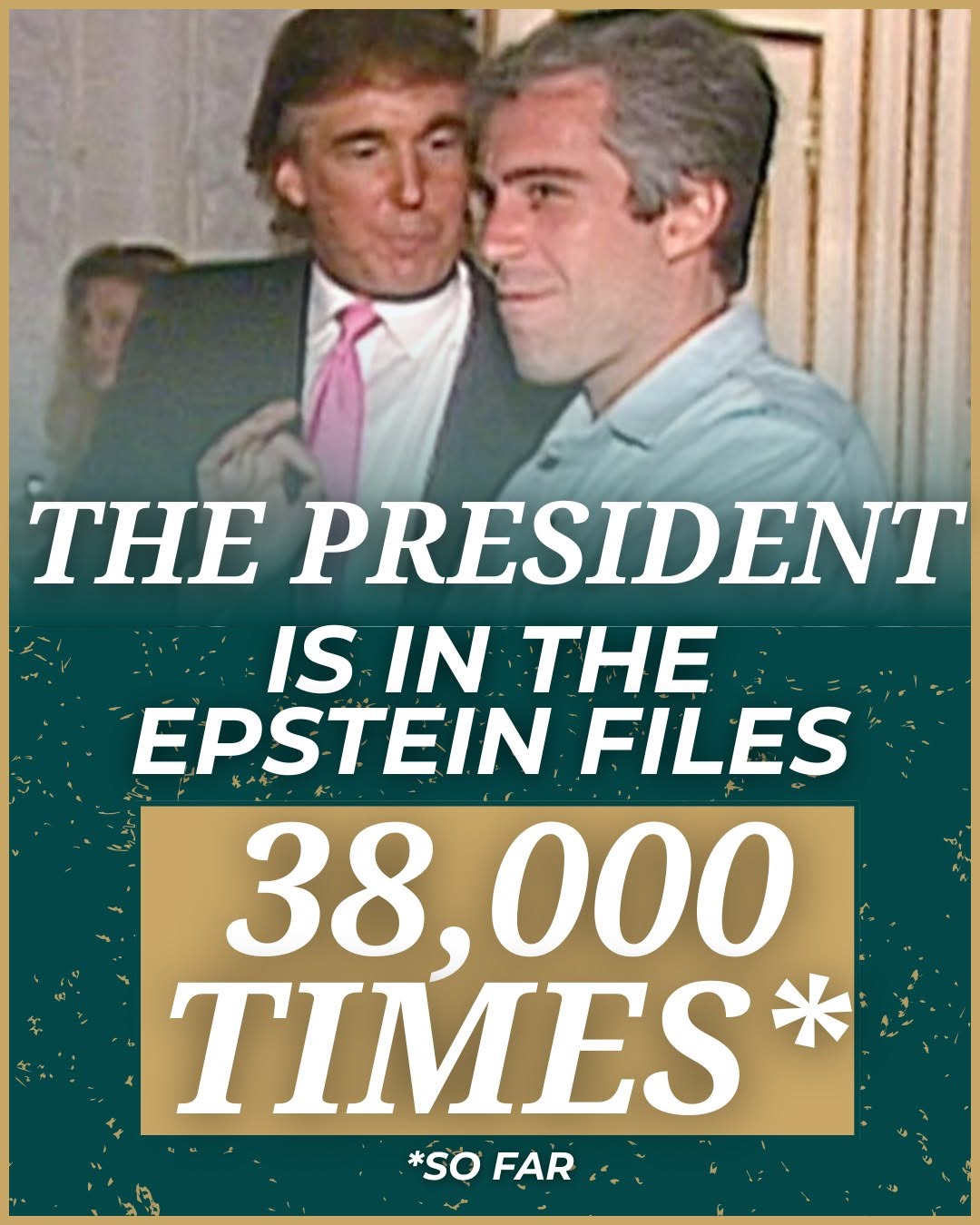
Walkinshaw made his allegation bluntly. In a social media post referenced by McGill Media, he said he had seen files the Justice Department was hiding and claimed they included records contradicting Trump’s account that he kicked Epstein out of Mar-a-Lago. He added that the redactions were not about protecting survivors, but about protecting Trump from embarrassment.
That is a serious claim, and it should be treated as a claim unless the underlying documents are released and independently reviewed. Walkinshaw says he has seen material that changes the story. The public has not seen enough of that same material to fully judge it. That is exactly why the redaction fight is so combustible.
Trump has repeatedly denied wrongdoing connected to Epstein. In earlier disputes over Epstein-related reporting, the White House rejected reports about Trump appearing in the files as “fake news,” while Justice Department officials said nothing in the files warranted further investigation or prosecution. Reuters also reported that Trump had not been accused of wrongdoing related to Epstein.
Still, political damage does not require criminal accusation. Sometimes the fight is over proximity, memory, and credibility. If documents contradict public claims about how close someone was to Epstein, when the relationship ended, or why it ended, that alone can become explosive.
The DOJ Says This Is About Victims and the Law

The Justice Department’s defense is straightforward: these are not ordinary records. Epstein’s files include victim information, sexually explicit materials, child sexual abuse material, private medical or personal details, privileged communications and material covered by court orders. In its January 2026 production letter, the department said more than 500 attorneys and reviewers worked through the files, with special focus on protecting victim-identifying information.
That is not a small concern. Survivors of Epstein’s abuse have already endured years of public fascination, legal delays and invasive coverage. A reckless document dump could expose victims while doing little to hold powerful people accountable. The department also said it withheld or redacted some records based on privileges such as the attorney-client privilege, work-product protections, and the deliberative process privilege.
But that is where the political argument sharpens. Critics are not saying victim names should be exposed. They are asking whether the government is using victim protection as a broad umbrella to hide names or details that may be embarrassing to powerful people. The law itself recognizes that tension by allowing certain protections while still demanding broad public disclosure.
Why This Story Will Not Go Away
Epstein’s case remains radioactive because it sits at the intersection of sex trafficking, wealth, law enforcement failure and elite access. Every black box around the files invites more suspicion. Every delay feeds the belief that ordinary people face consequences while powerful people get privacy.
The Justice Department has asked for more time or relief from the court’s deadline, arguing that its redactions were appropriate and legally necessary. That means the next phase of the fight may be less about speeches and more about judicial review. If the court forces more disclosure, the public may finally see whether Walkinshaw’s accusation is supported by the documents. If the court accepts the department’s explanation, critics will likely argue that secrecy won again.
For now, the safest conclusion is also the most frustrating one: Walkinshaw has made a dramatic allegation, the Justice Department denies improper motives, and the documents needed to settle the fight remain partly hidden.
That is why this story has such staying power. It is not only about Trump. It is about whether America’s most politically sensitive files can ever be released in a way the public trusts. In the Epstein case, redactions may protect victims, but they also protect mystery. And mystery, in a scandal built around powerful men and buried secrets, is exactly what keeps the fire burning.