California Anglers Face New Fishing Hook Rules as Officials Move to Protect White Sharks and Public Safety
What started as a routine day on the California coast is about to feel a little different for thousands of anglers. From beach fishermen to pier regulars, new rules are changing how people measure, choose, and use fishing gear before casting a line into the water.
State officials say the update is aimed at protecting white sharks and reducing dangerous encounters between hooked marine life and people along crowded shorelines.
What Happened
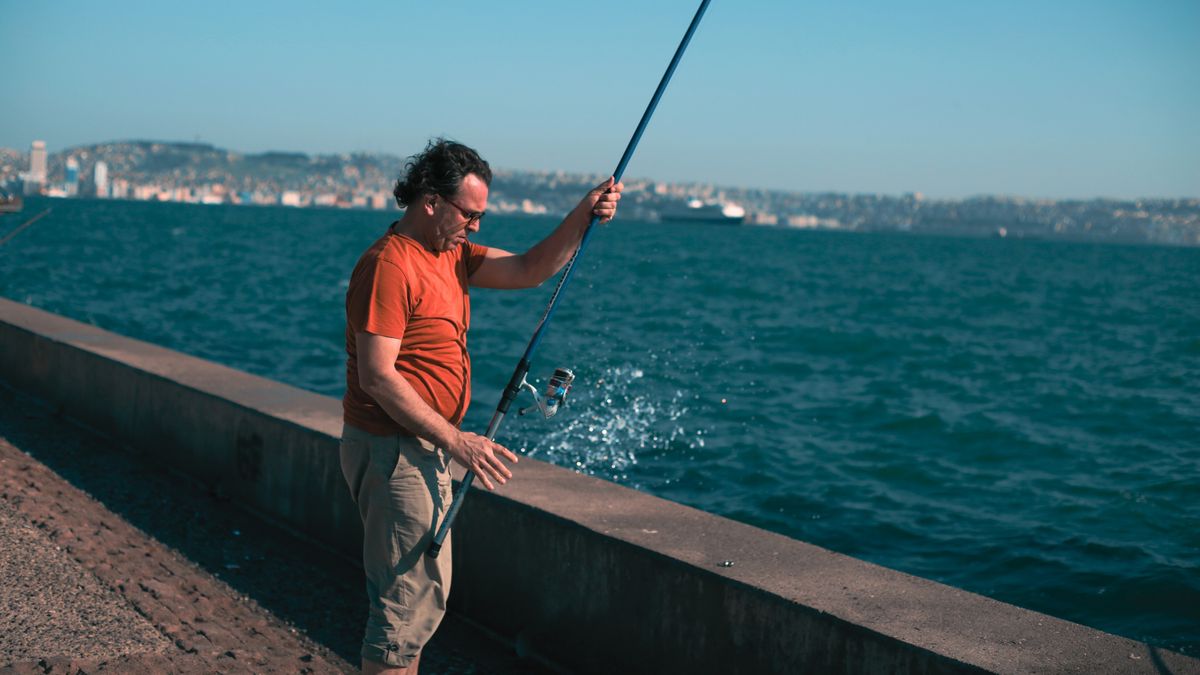
According to the California Fish and Game Commission, a new regulation is now in effect that places strict limits on certain fishing equipment used in white shark waters along parts of the California coast.
The rule prohibits the use of wire or metallic lines, leaders, or hooks larger than 1.5 inches when fishing for white sharks in designated areas. Officials also require that any hooked white sharks be released immediately and not removed from the water.
The regulation applies to coastal regions south of Pigeon Point, an area roughly 50 miles outside of San Francisco.
Authorities say the decision follows reports of multiple incidents where anglers, either intentionally or accidentally, hooked white sharks while fishing from beaches and piers.
Officials also noted that at least three white sharks have died in California waters this year due to fishing-related interactions, according to state wildlife reports referenced in the rule discussion.
Why Locals Care
For many Californians, this isn’t just a technical rule change, it affects how people use beaches, piers, and coastal waters that are part of everyday life.
Pier fishing is a popular activity across the state, especially in communities where fishing is both recreation and tradition. Now, anglers will need to be more careful about the size and type of hooks they use, with some describing it as a shift toward more “measured fishing.”
Some fishermen worry about enforcement and whether casual anglers will fully understand the new restrictions. Others say the rules may add confusion, especially for beginners who are not familiar with measuring hook sizes or identifying restricted zones.
At the same time, conservation groups argue that the changes are necessary to reduce unintentional harm to white sharks, which play a key role in maintaining the balance of the marine ecosystem.
Officials also say public safety is a factor. In a previously reported incident, a swimmer was reportedly bitten by a white shark that had been hooked by a pier angler, raising concerns about how fishing activity can indirectly affect people in the water.
Background and Context
White sharks, often referred to as apex predators, are protected under both state and federal regulations. Wildlife officials say their presence in California waters is natural and important for ocean health.
The California Fish and Game Commission explained that the new rule is designed to address what it describes as growing interactions between anglers and white sharks, particularly in areas where fishing activity overlaps with marine wildlife movement.
Officials also pointed to environmental conditions that may be increasing shark presence along the coast. A forecasted El Niño pattern is expected to warm ocean waters, which can influence marine migration patterns and bring more young white sharks closer to shore.
State wildlife experts say juvenile white sharks have already been observed in higher numbers in Southern California waters in recent seasons.
These changes, combined with heavy recreational fishing activity in coastal zones, created what regulators describe as a need for updated equipment rules and clearer handling requirements.
What the New Rules Require Going Forward
Under the regulation, anglers fishing in affected coastal areas must ensure their gear complies with the new size limits and material restrictions.
If a white shark is accidentally hooked, it must be released immediately and returned to the water without removal or prolonged handling.
Officials say the goal is not to discourage fishing, but to reduce harm and prevent situations where large marine animals are unintentionally caught or injured in busy public fishing areas.
State agencies have also indicated that educational outreach will likely follow, including signage at popular piers and guidance for recreational anglers on identifying legal gear.
What Happens Next
Enforcement will be handled by California wildlife officers who patrol coastal areas. While officials have not outlined specific penalties in detail in the initial announcement, violations of state fishing regulations can result in fines and other enforcement actions depending on severity.
Wildlife agencies are expected to monitor compliance closely during peak fishing seasons, especially in high traffic areas where shark sightings have increased.
There is also an expectation that the rule may be reviewed in the future as more data is collected on shark populations, fishing activity, and incident reports along the coast.
Why It Matters
For everyday anglers, the change may feel like a small technical adjustment, measuring hook size, switching gear, and learning new release rules.
But for regulators and marine experts, it represents something bigger: a balancing act between recreation and conservation in one of the country’s most heavily used coastal ecosystems.
As more people return to beaches and piers, and as marine life patterns continue to shift, California’s new fishing rules highlight a growing reality that outdoor recreation is increasingly shaped by environmental protection efforts.
And for anyone casting a line into California waters, the message from officials is simple: know your gear, follow the rules, and expect closer oversight on the shoreline.