10 Reasons the Blood Type Diet Is Misleading and Overhyped
Millions of people follow the blood type diet hoping to shed pounds, boost energy, or prevent disease, but the science rarely backs it up. From supposedly “perfect” food lists to dramatic claims about metabolism, this diet promises simplicity, but reality tells a different story. Many feel healthier simply because they change habits, not because of their blood type. Let’s dissect why this trendy eating plan is more myth than medicine.
The Premise Is Scientifically Weak
Anirudh/ Unsplash
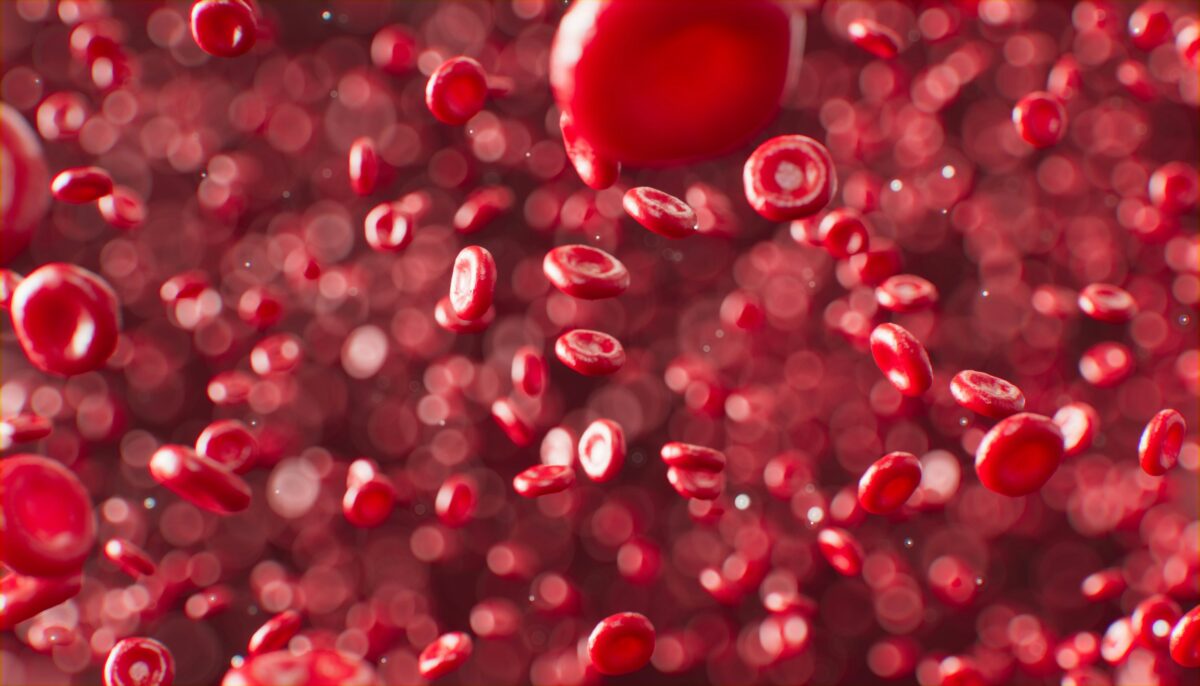
The diet claims each blood type thrives on specific foods due to digestion and evolutionary history. Experts warn that these connections lack clinical evidence. Human nutrition is far too complex to be determined solely by ABO classification. Genetics, the gut microbiome, and lifestyle factors play far greater roles in metabolism and health than blood type labels do, making the central premise misleading and overly simplistic.
Research Fails to Support the Claims
Multiple studies and reviews have failed to demonstrate meaningful health benefits from following a blood type diet. Weight loss or energy gains reported by adherents are typically linked to healthier overall eating, reduced calorie intake, or increased vegetable intake. No rigorous trials confirm that eating for Type O, A, B, or AB specifically delivers measurable advantages, leaving the claims unproven in controlled research.
Weight Loss Is Misattributed

People often lose weight on this diet, but it is usually because they cut processed foods, sugar, and refined carbs, not because of blood type-specific rules. Any dietary plan that restricts calories can yield results. Marketing suggests a mystical link between blood type and these changes, but studies emphasize that energy balance and portion control are the true drivers.
Risk of Nutritional Deficiencies
Avoiding certain food groups based on blood type can reduce intake of essential nutrients. For example, excluding dairy or grains may lower calcium and fiber intake. Dietitians stress that balanced eating is critical to maintain health, and arbitrary restrictions imposed by blood type rules can inadvertently create gaps in protein, vitamins, or minerals, undermining overall wellness.
Ignores Individual Variation
Metabolism, insulin sensitivity, and food tolerances vary widely between individuals. Assigning nutrition based solely on blood type ignores these differences. Personalized nutrition experts advocate for considering genetics, lifestyle, activity levels, and health conditions rather than relying on a single blood marker, which oversimplifies the intricate needs of each body.
Conflicting Guidelines Cause Confusion

Different sources list contradictory “allowed” or “forbidden” foods for the same blood type. Beans, dairy, or grains may be recommended by one book but prohibited in another. This inconsistency underscores the lack of scientific consensus, highlighting the diet’s reliance on marketing narratives rather than evidence-based nutrition, leaving followers unsure what to eat or avoid.
Can Create a False Sense of Health Security
Following blood type rules may give people a false sense of well-being. Someone may feel healthy because their meals align with their blood type chart, yet still consume excessive sugar or processed foods. This misplaced confidence can prevent individuals from adopting proven health habits, such as balanced eating, exercise, and sleep, which have documented long-term benefits.
Mental Strain and Food Stress
Strictly following blood type rules can increase anxiety around meals, social events, and dining out. Constantly questioning whether every bite aligns with your type can negatively affect mental health. Nutritionists note that sustainable habits that are enjoyable and flexible are far more likely to be maintained, whereas restrictive rules often create stress without delivering extra benefits.
Lifestyle Matters More Than Blood Type

Evidence consistently shows that diet quality, exercise, sleep, and stress management drive long-term health. Rich plant-based meals, lean proteins, whole grains, and healthy fats have proven benefits for everyone. Blood type classification has no proven role in cardiovascular risk, diabetes prevention, or weight management, underscoring lifestyle as a far more critical factor.
Evidence-Based Alternatives Are Smarter
Instead of following blood-type prescriptions, research-backed approaches like the Mediterranean diet or plant-forward eating show measurable health benefits. Flexible calorie tracking, nutrient-dense foods, and activity integration work for all blood types. Following these strategies provides real results, without relying on unproven theories, marketing gimmicks, or arbitrary restrictions.
Conclusion
The blood type diet is appealing because it promises a tailored shortcut to health, but scientific evidence paints a different picture. Real wellness comes from balanced eating, movement, and lifestyle habits, not a single marker in your blood. Stop buying into the hype and focus on approaches with proven results.